Brennan Furlong Architects — Residential Projects
Filter by Project Area
Filter by Project Type
include awards schema aggregate totals
Selected Residential Projects
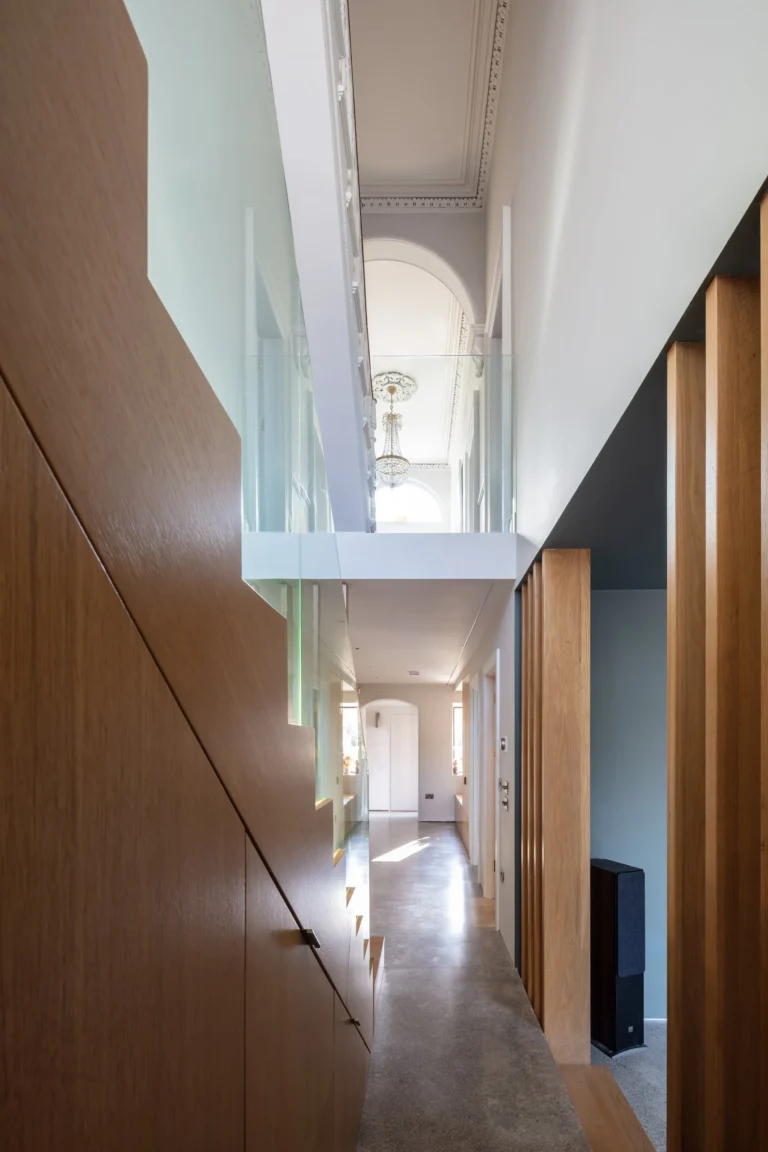
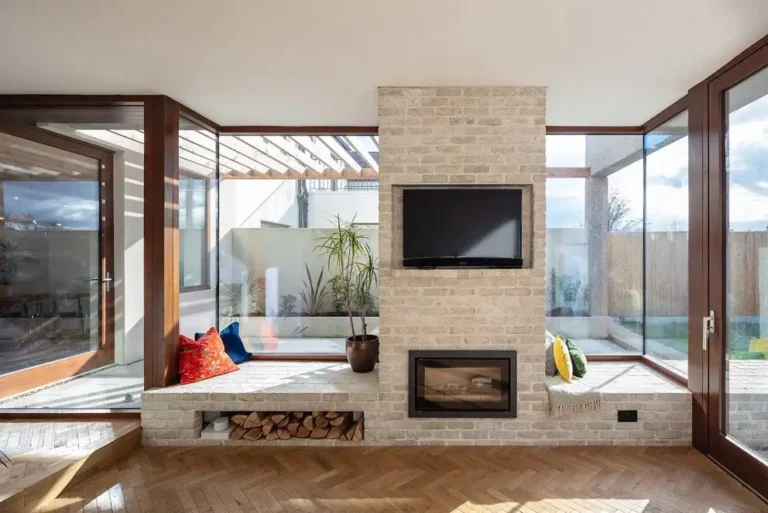
Residential architecture forms the core of Brennan Furlong Architects’ work across Dublin and the wider Leinster region. From coastal houses overlooking Dublin Bay to sensitive refurbishments of period homes and contemporary new-build dwellings, our projects explore how people live, move and gather within their homes. The residential landscape of Dublin and its surrounding counties is diverse, ranging from Georgian terraces and Victorian redbrick houses to mid-century suburban dwellings and modern infill sites.
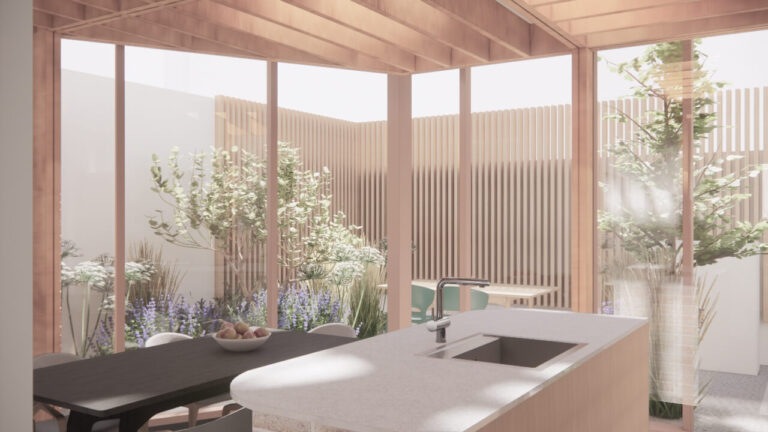
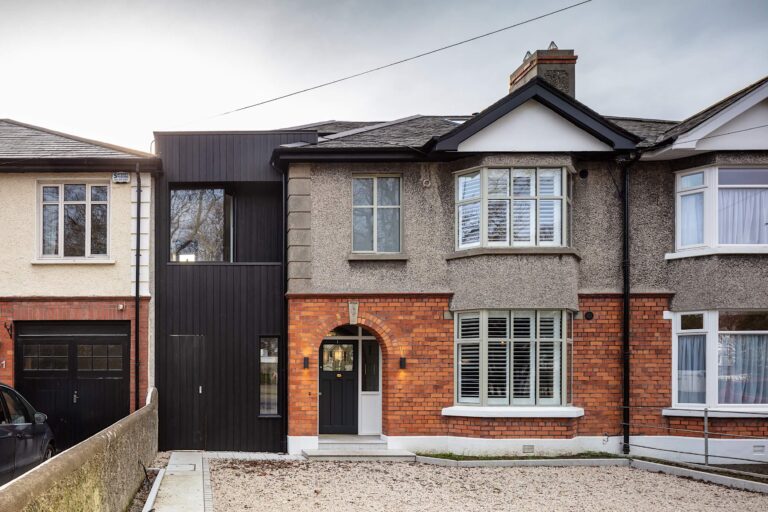
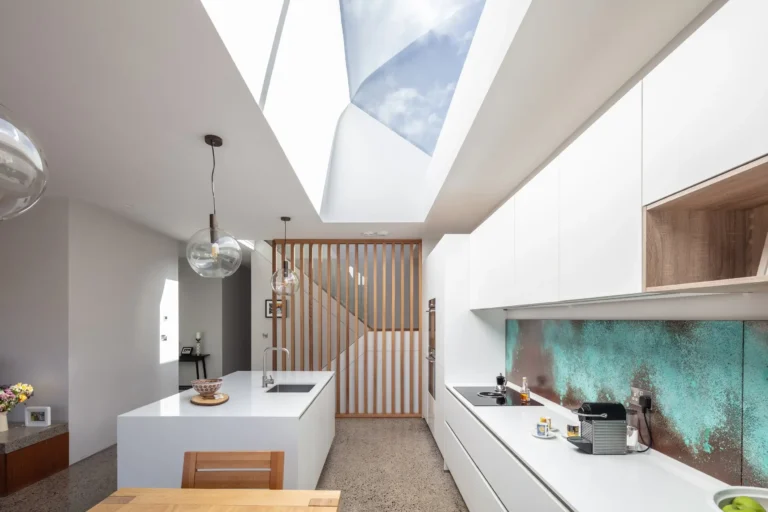
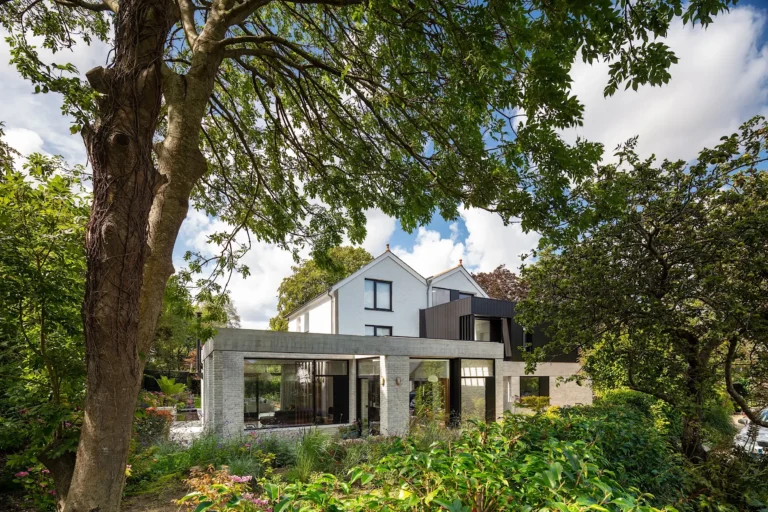
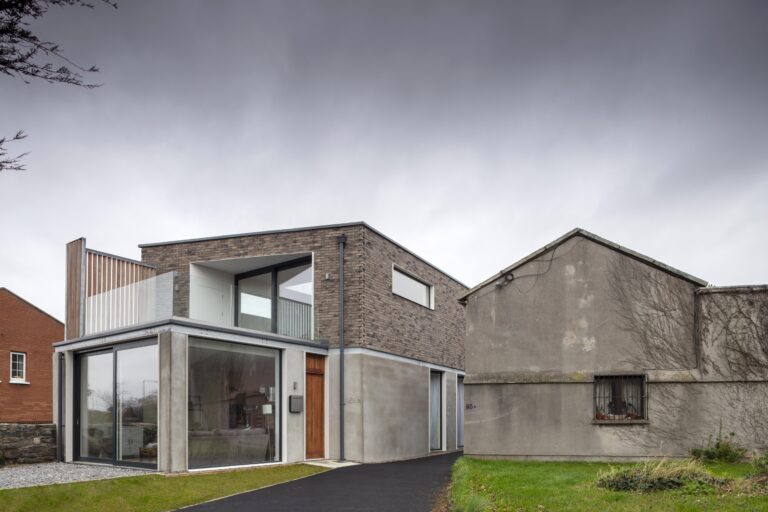
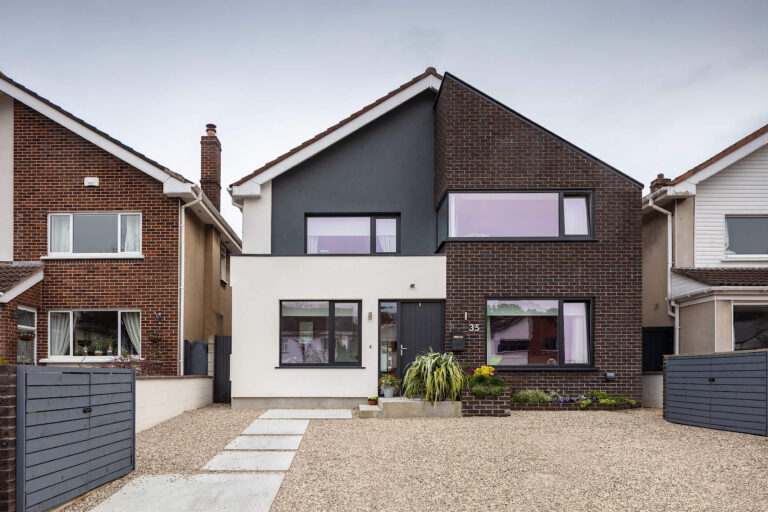
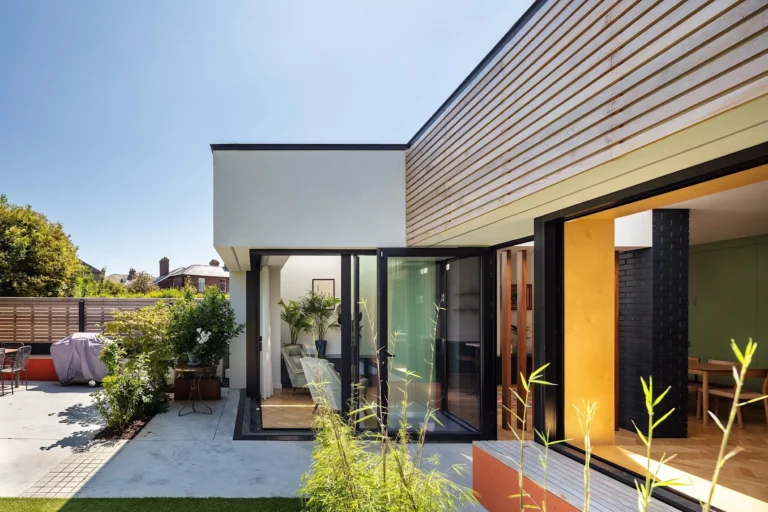
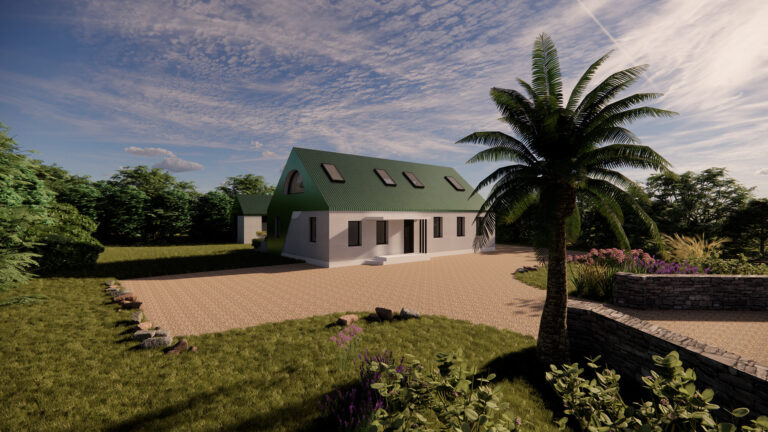
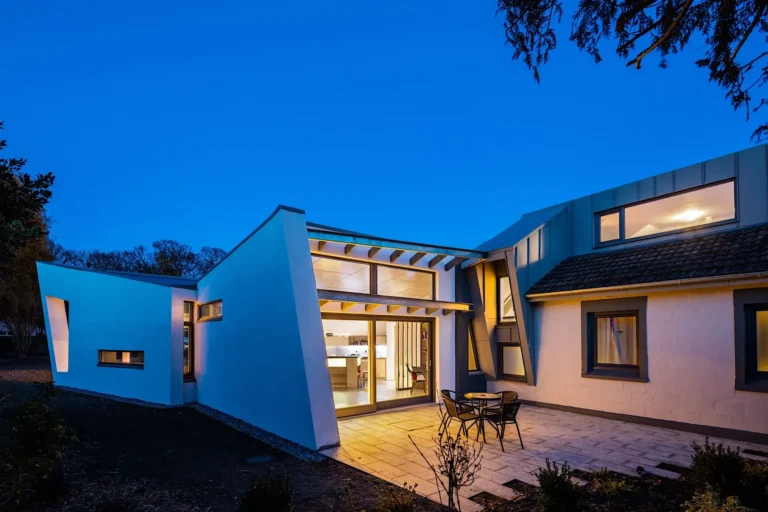
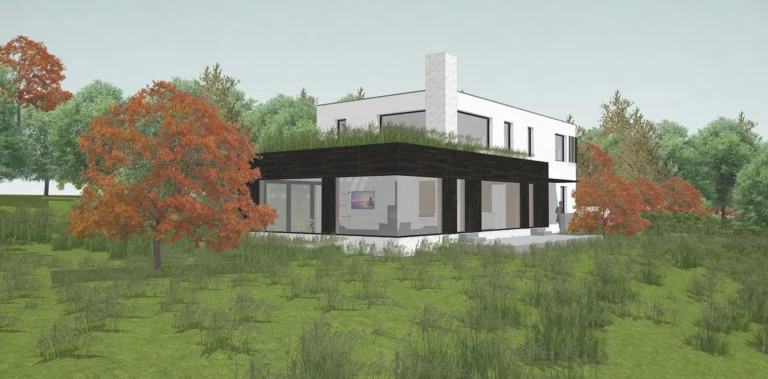
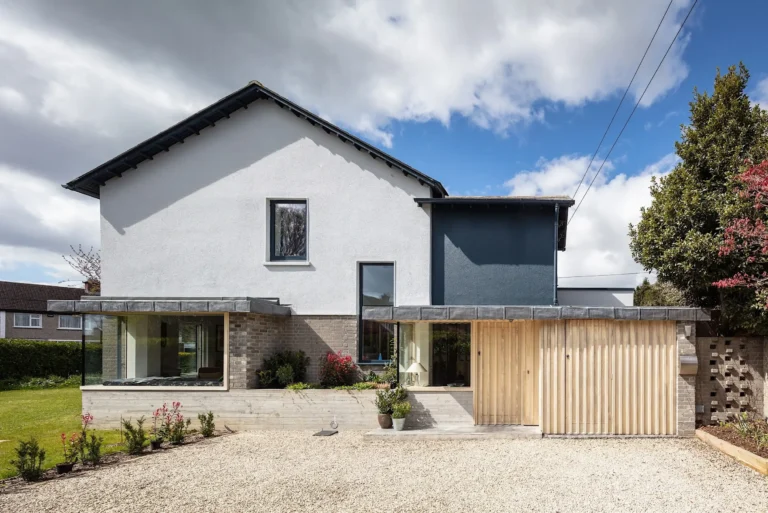
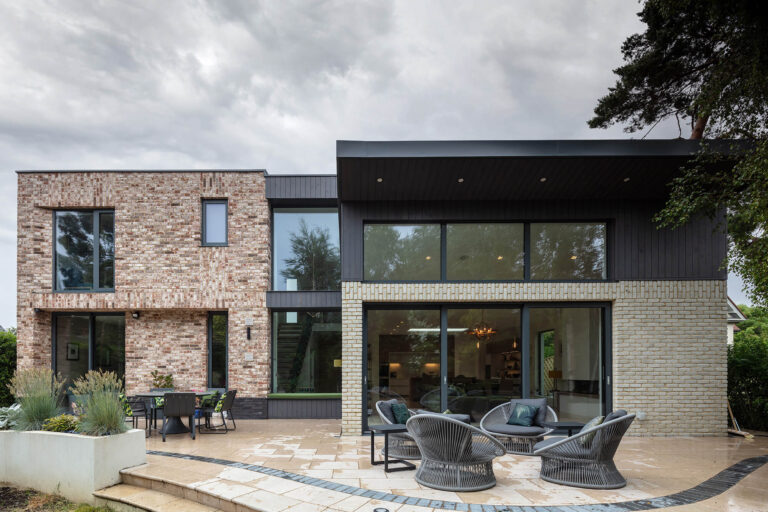
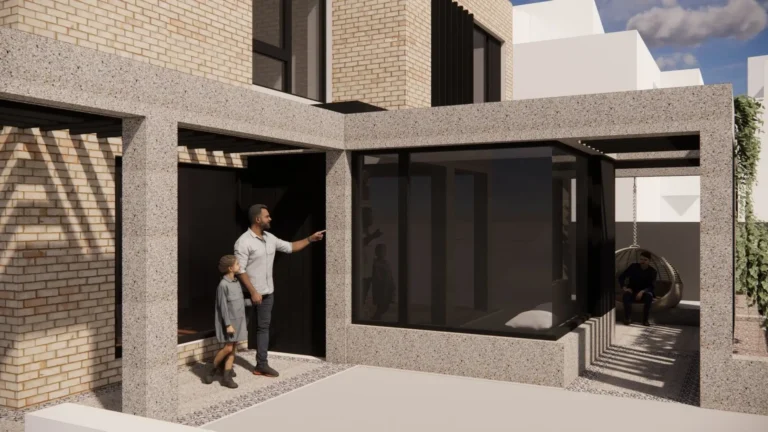
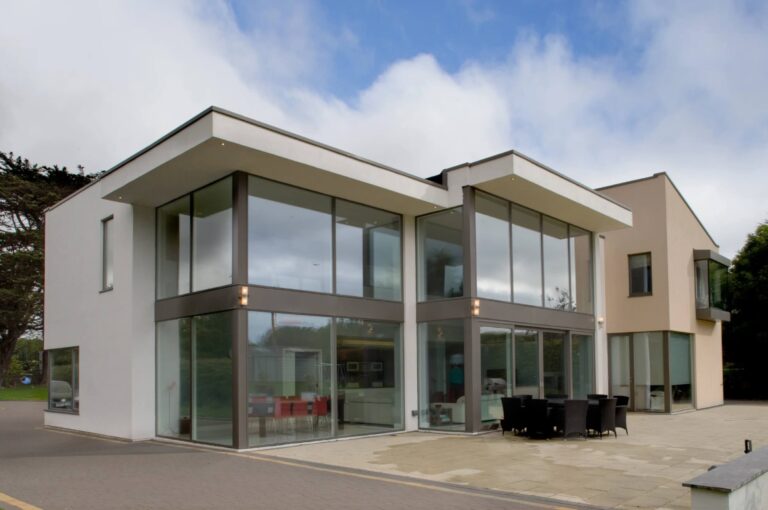
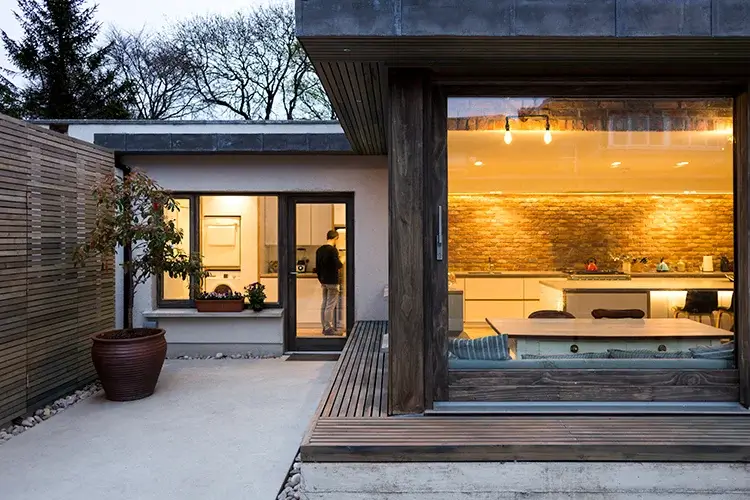
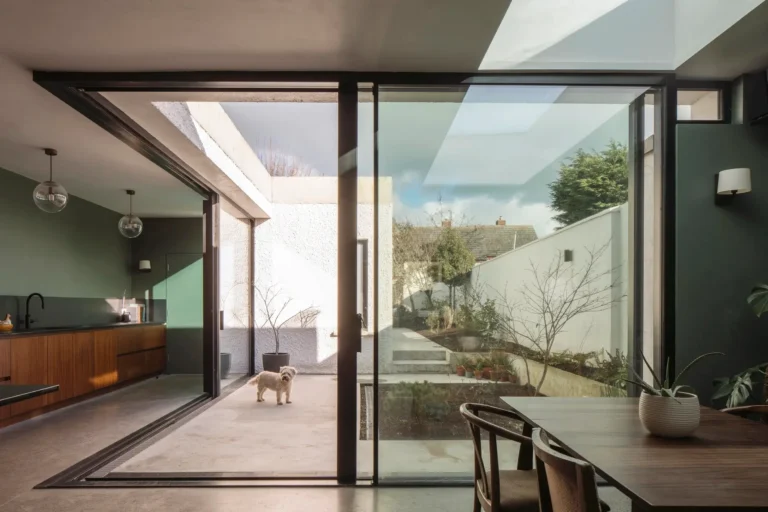
As residential architects in Dublin, we have delivered projects across the city and surrounding areas including Clontarf, Howth, Sutton, Killester and Sandymount. Our work also extends beyond Dublin into counties such as Wicklow, where rural sites present different opportunities for orientation, landscape integration and environmental performance. Projects such as Glentora in Howth, Lerrig Lodge in Malahide, the award-winning Stiles Road extension in Clontarf and the new family home in Grangecon, Wicklow illustrate the breadth of our residential work. Each project requires careful engagement with planning policy, site constraints and the particular ambitions of our clients.
We have delivered a number of residential projects/homes in Dublin, and beyond. Select examples include:


Area Background / History
Residential Architecture in Dublin
Ireland’s housing stock reflects a wide range of development periods and settlement patterns. In Dublin’s established neighbourhoods, residential streets are often defined by terraced or semi-detached houses arranged along narrow plots with strong building lines. Georgian and Victorian properties dominate many inner-city districts, while twentieth-century suburbs introduced larger semi-detached and detached houses set within generous gardens.
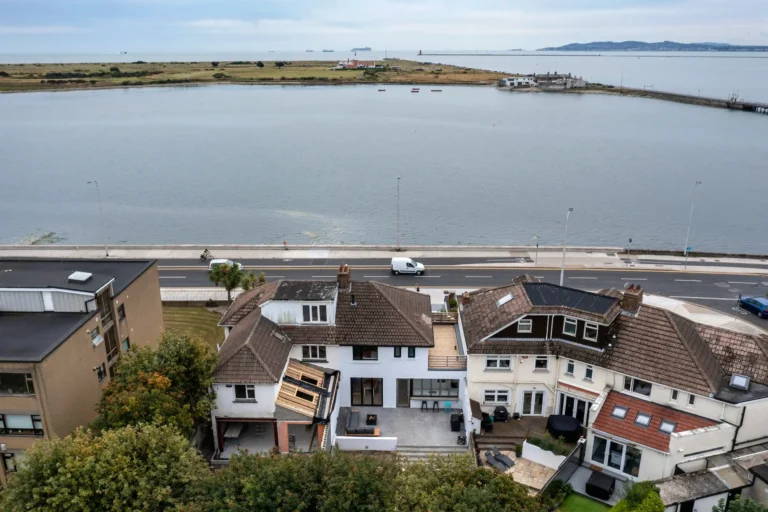
Across coastal areas such as Howth and Sutton, residential architecture responds directly to landscape and exposure. Houses are often oriented to capture views across Dublin Bay while maintaining privacy from neighbouring properties. These sites require careful consideration of wind, solar orientation and material durability. Contemporary residential design in these locations frequently balances openness towards the landscape with sheltered external spaces that allow the house to function comfortably throughout the year.
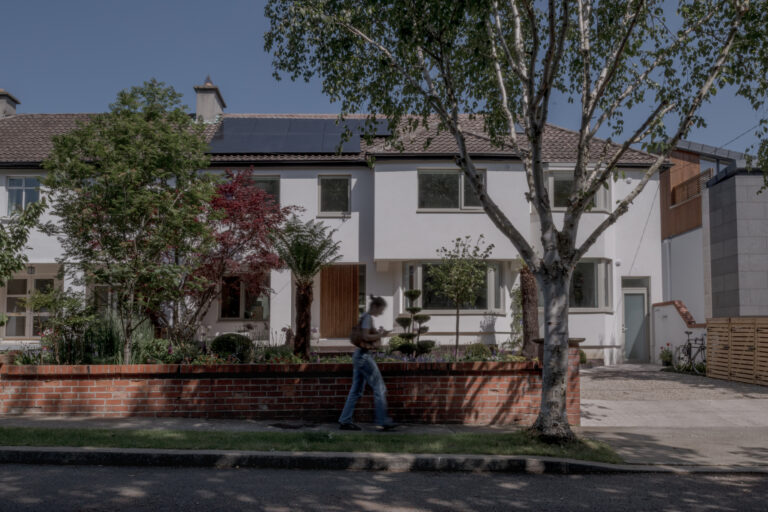
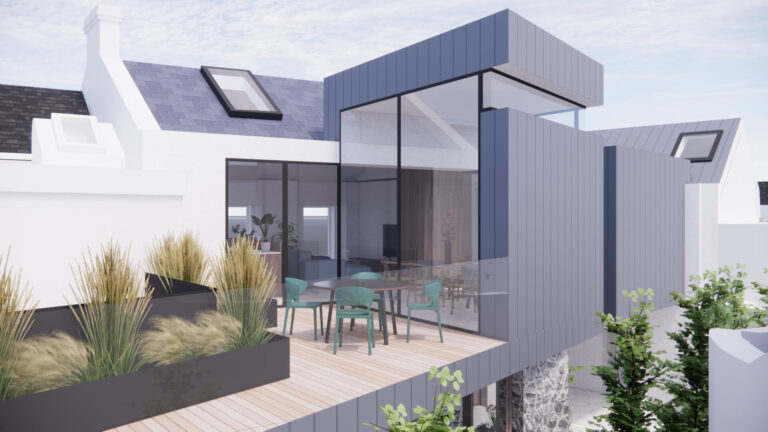
In suburban areas of Dublin such as Clontarf, Killester and Glasnevin, many projects involve the renovation and extension of existing homes. These neighbourhoods are characterised by established gardens, mature street trees and relatively consistent building lines. Extensions must therefore work carefully within existing site boundaries while improving spatial quality and connection to outdoor space.
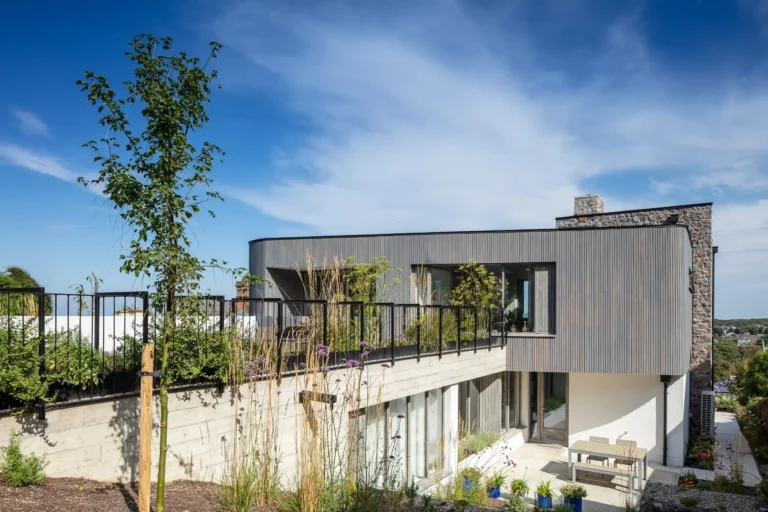
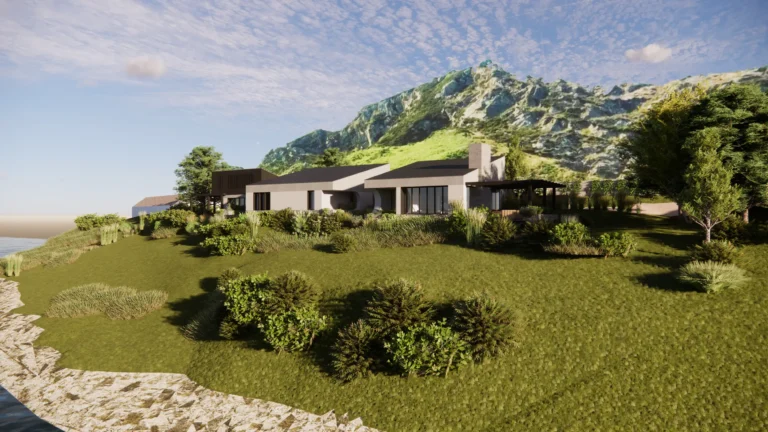
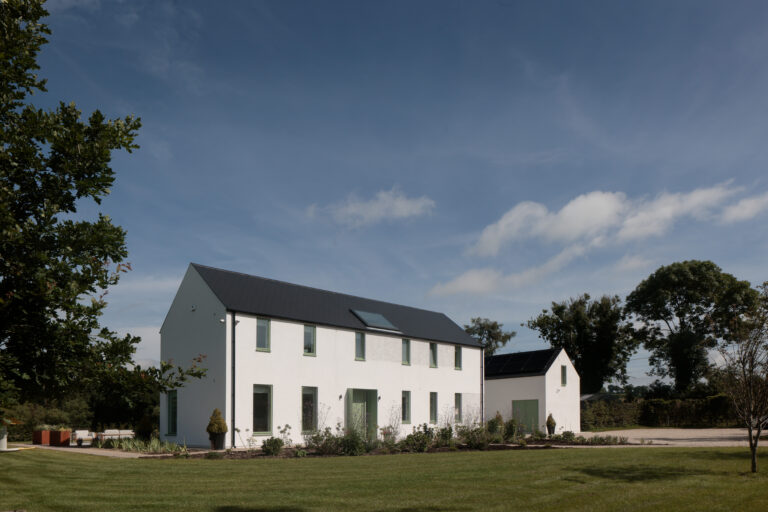
Beyond Dublin, counties such as Wicklow and Meath offer opportunities for more expansive residential sites. Rural houses often respond to landscape features such as streams, hedgerows and long views across fields or hills. Projects like the Grangecon House in Wicklow demonstrate how contemporary architecture can sit comfortably within a rural setting while responding to orientation, topography and environmental performance.
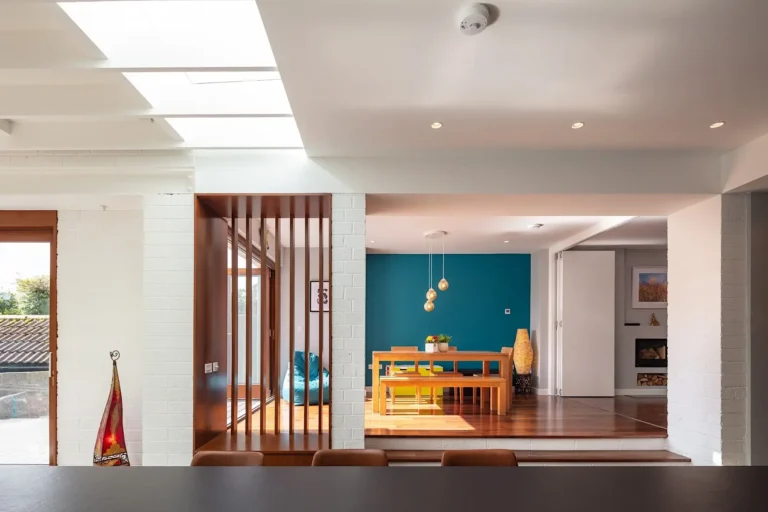
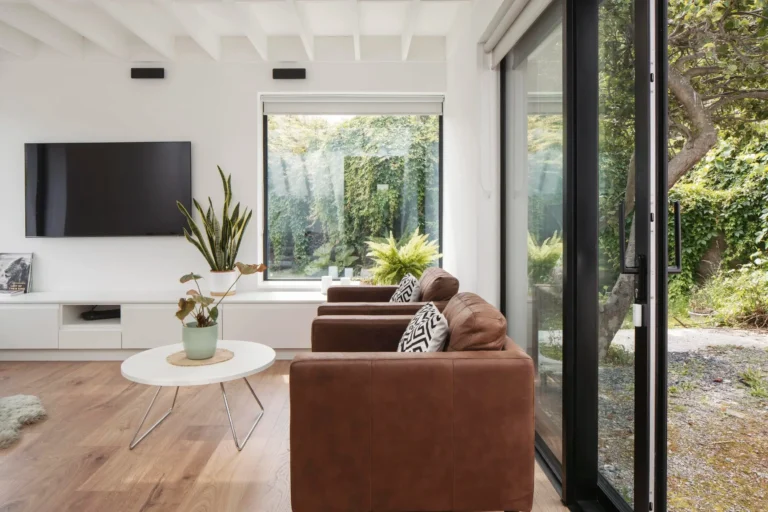
For residential architects working in Dublin and Ireland more broadly, the challenge lies in responding to context while designing homes that support contemporary patterns of family life. Spatial flexibility, natural light and strong connections to outdoor spaces are central to this approach.
Planning & Site Context
Designing Residential Projects in Dublin & Ireland
Residential development in Dublin is governed primarily by Dublin City Council and the surrounding county authorities including Dún Laoghaire-Rathdown, Fingal and South Dublin County Councils. Each authority operates under its own development plan framework, establishing policies on building height, density, heritage protection and environmental performance. Planning permission is required for most new houses, significant extensions and changes to protected structures.

Pre-planning consultation can be particularly valuable for residential projects. Early discussion with the planning authority helps clarify development potential, site constraints and policy expectations before detailed design begins. This is especially important on sensitive sites such as those located within Architectural Conservation Areas or close to protected structures.
Coastal Sites
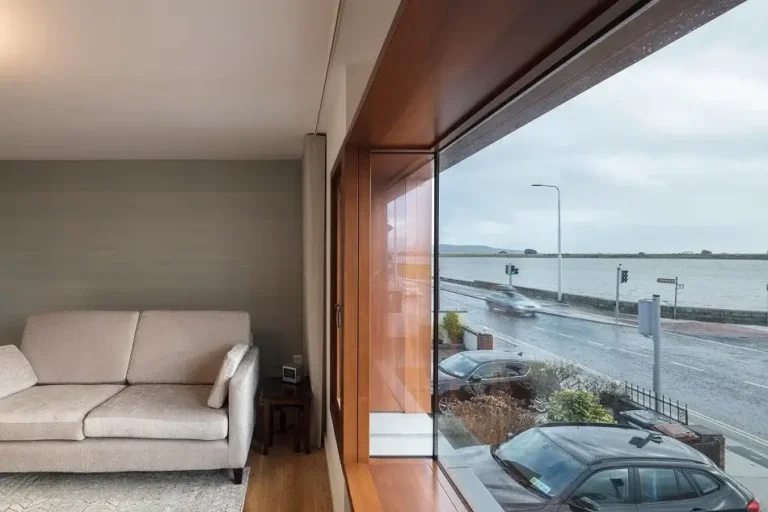
Along the coastline of Dublin Bay, sites in areas such as Sutton, Howth and Clontarf require careful attention to orientation, exposure and visual impact. Houses often seek to frame views across the bay while maintaining privacy from neighbouring properties. Coastal planning policy also considers landscape character and the visual relationship between new buildings and the shoreline.
Suburban Plots
Period Homes
Environmental Performance
Our Approach to Residential Architecture
Our approach to residential architecture begins with a careful reading of the site and the lives that will unfold within it. Every home is shaped by its context — whether that context is a narrow city plot, a coastal site overlooking Dublin Bay or a rural landscape in Wicklow.
As residential architects in Dublin, we guide clients through the entire process from early feasibility studies and planning strategy to detailed design and construction oversight. We prioritise spatial clarity, natural light and durable materials that age well over time.
Environmental performance is integrated from the outset. Orientation, insulation strategy, passive ventilation and energy efficiency are considered alongside the emotional qualities that make a house feel like home. The result is architecture that is both practical and enduring.
While much of our work is concentrated in Dublin and its surrounding coastal suburbs, we also undertake residential projects across Ireland where the brief and site offer meaningful architectural opportunities. If you are considering building a new home, extending an existing house or renovating a period property, we would welcome the opportunity to discuss your project.