
Brennan Furlong Architects — Sutton Projects
Filter by Project Area
Filter by Project Type
include awards schema aggregate totals
Selected Sutton Projects
Selected Sutton Projects
Sutton is one of Dublin’s most distinctive coastal environments — defined by its relationship to the sea, with panoramic views across Dublin Bay towards the city and the Wicklow Mountains. Designing in Sutton requires a careful balance between openness and protection, outlook and privacy, robustness and refinement.
At Brennan Furlong, we have delivered multiple residential projects in Sutton ranging from sensitive refurbishments of 1940s bungalows to the complete re-organisation of detached coastal homes and contemporary extensions behind historic façades. Our work in Sutton reflects a deep understanding of coastal context, planning constraints, material durability, and environmental performance.
We have delivered a diverse portfolio of homes in Sutton. Select examples include:
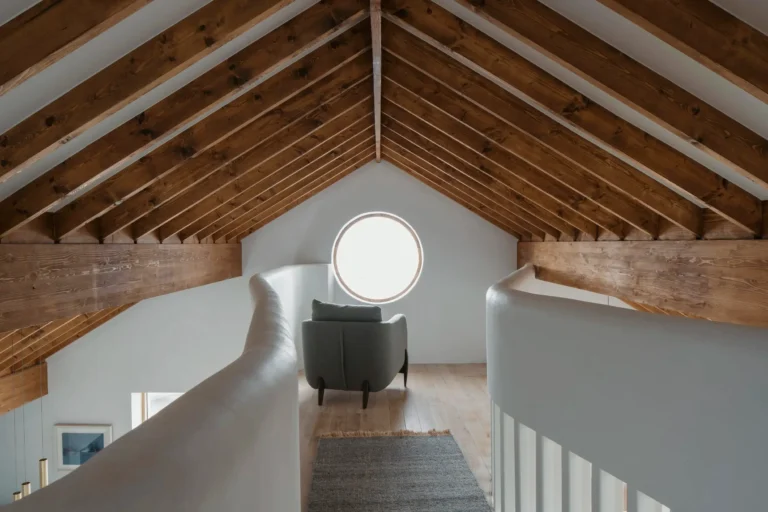
House by the Sea
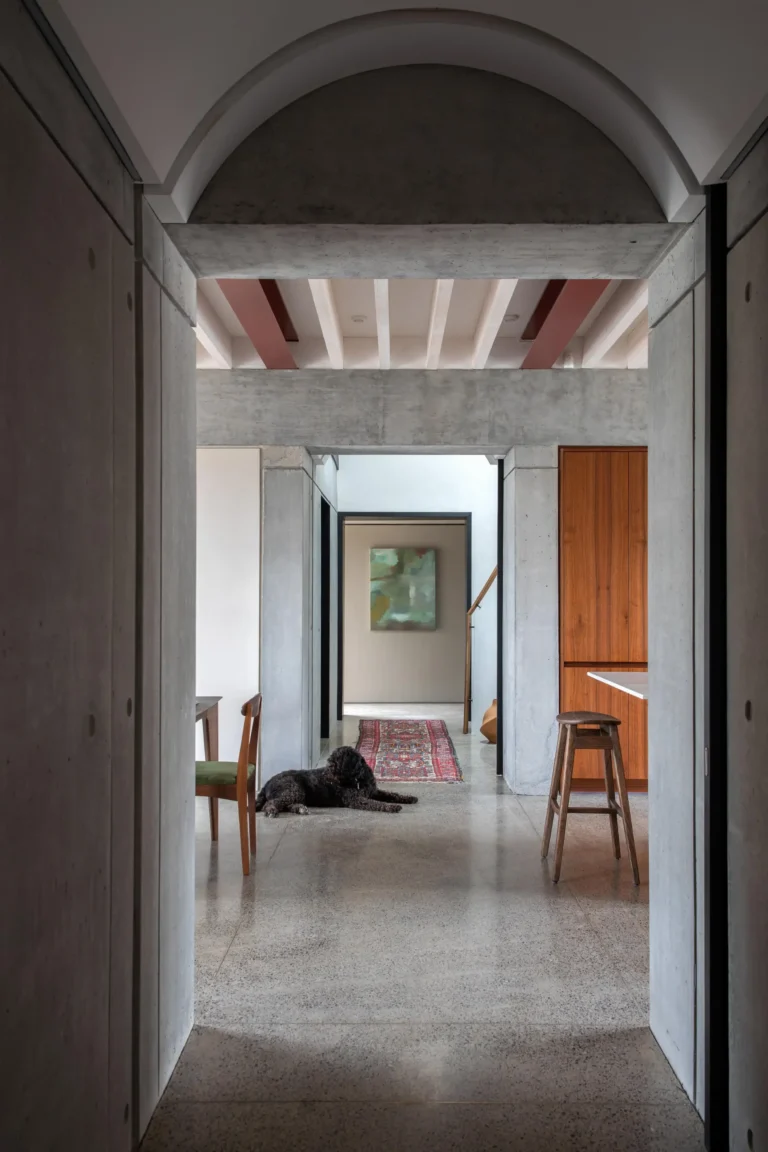
Four Winds
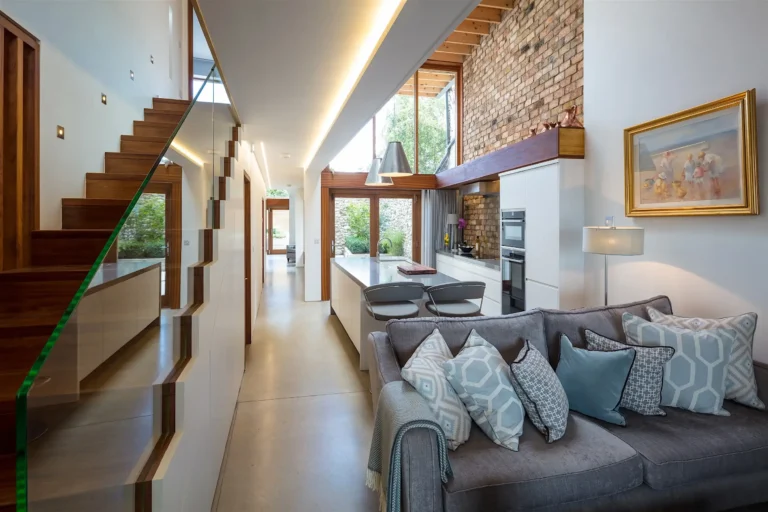
Strand Road
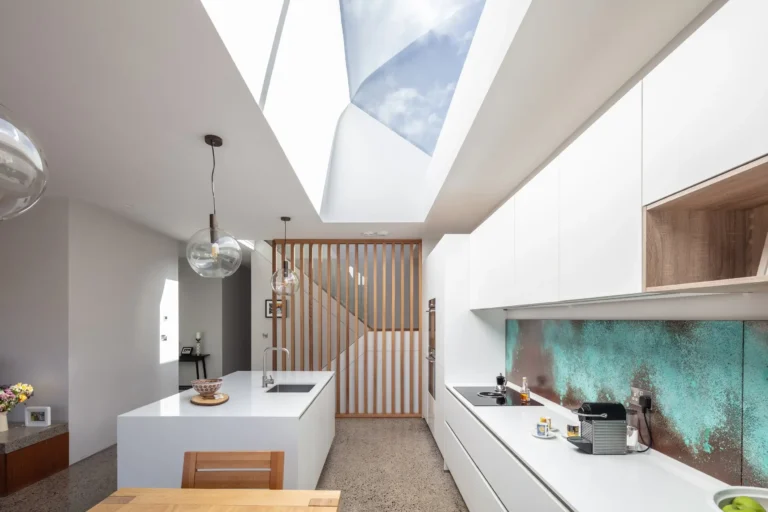
Carrickbrack
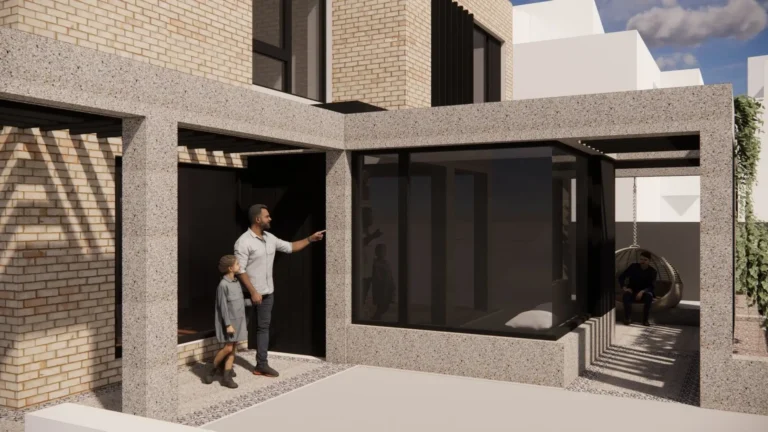
Sutton Strand



























Area Background / History
Architecture in Sutton
Sutton’s housing stock is diverse but largely residential in character. The area includes early 20th-century coastal cottages, mid-century detached houses, 1960s–70s bungalows, and later suburban infill. Many of these homes were modest when first built but occupy exceptional sites, with open views across Dublin Bay and towards Howth Head.
Because development occurred incrementally over time, streets often contain a mix of building types and scales. For new work or extensions, this means responding carefully to established rooflines, garden boundaries, and neighbouring massing rather than imposing a singular architectural language.
On coastal roads such as Sutton Strand and Carrickbrack Road, houses frequently orient towards the sea rather than the street. Living spaces are often positioned to the south, with terraces or roof-level elements designed to capture views. This configuration has implications for overlooking, solar control, and privacy — all of which must be resolved at planning and design stage.
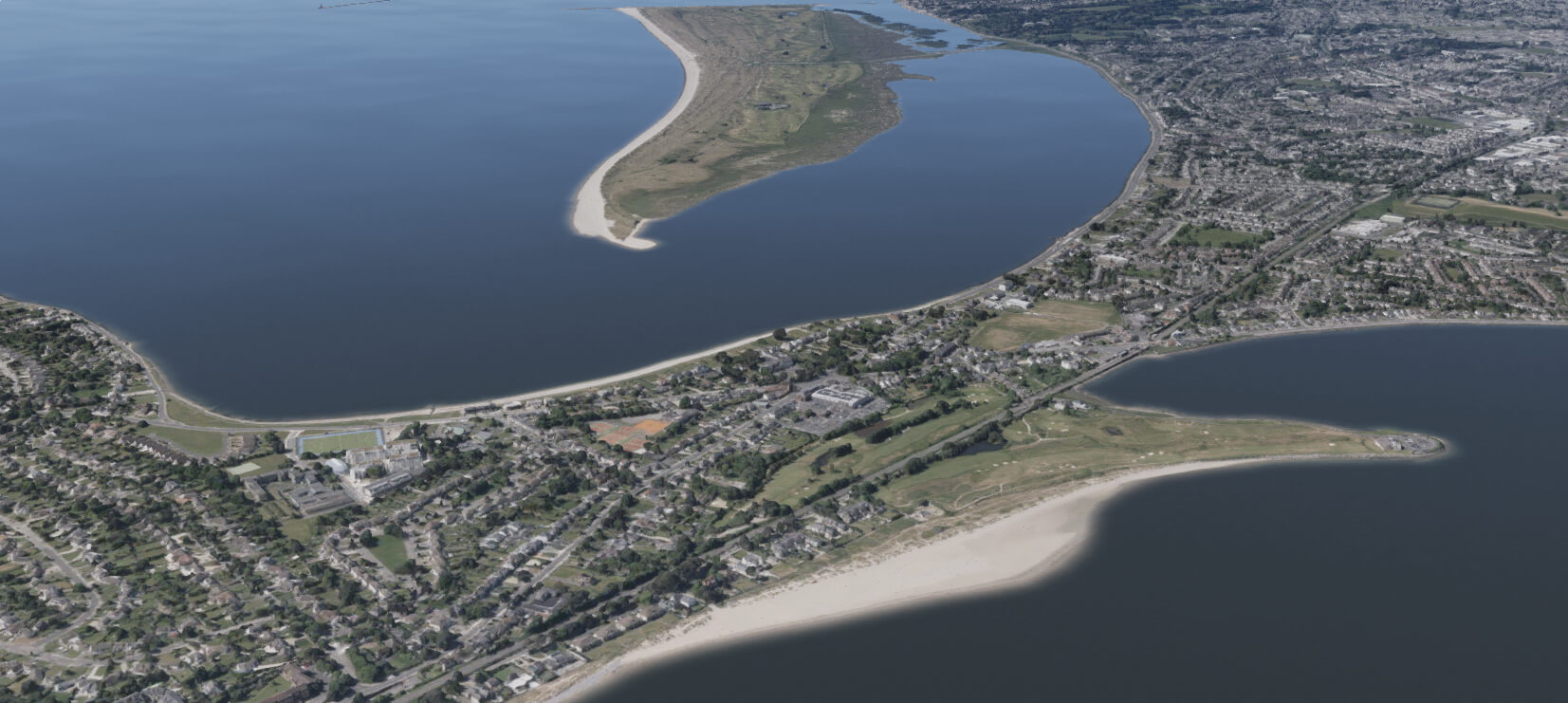
 Onpage Imagery©Microsoft, Bing Maps, and its data providers
Planning & Site Context
Sutton's Site & Environmental Factors
Planning Considerations
Sutton falls under the jurisdiction of Fingal County Council, and proposals are assessed within the framework of the Dublin City Development Plan and associated local area policies.
Key planning considerations in Sutton typically include:
- Protection of coastal views and scenic vistas
- Visual impact along the shoreline
- Height and massing in sensitive residential streets
- Relationship to neighbouring properties (overlooking and overshadowing)
- Flood risk and coastal resilience
- Tree retention and landscape integration
Where properties are Protected Structures, or located within Architectural Conservation Areas (ACAs), additional consultation with the Conservation Officer is required. Even where buildings are not formally protected, planning authorities often expect sensitive treatment of established streetscapes, particularly in mature residential roads.
Early engagement through pre-planning consultation is often beneficial in coastal contexts, particularly for substantial extensions or new builds.
Typical Site & Housing Conditions
Understanding the specific micro-context of a Sutton site is critical. Broadly, sites tend to fall into several categories:
Coastal Frontage & Elevated Sites
These sites command exceptional views but are exposed to prevailing winds and salt-laden air. Design responses often involve sheltered threshold spaces, durable materials, and careful modulation of glazing to balance outlook with thermal comfort.
Suburban Garden Plots
Many Sutton homes sit on generous plots with established hedging and mature trees. Extensions must respect garden character while improving internal connection to light and landscape.
Mid-Century Bungalows
A significant portion of Sutton’s housing stock dates from the 1940s–1970s. These properties often benefit from strong site orientation but require spatial reorganisation and fabric upgrades to meet contemporary living standards.
Infill & Backland Sites
Occasionally, opportunities arise within former gardens or secondary plots. These demand sensitive massing and discreet architectural language to maintain neighbourhood character.
Sutton's Coastal Design Considerations
Designing in Sutton requires a calibrated response to climate and exposure.
Salt air accelerates material weathering. Wind loads influence roof geometry and façade articulation. Solar gain from southerly aspects must be moderated without sacrificing daylight.
Our approach typically considers:
- Robust, low-maintenance material palettes
- Deep reveals and sheltered entrances
- Passive solar optimisation
- Cross-ventilation strategies
- High-performance glazing
- Long-term durability over short-term aesthetic trends
The objective is to create homes that feel open and expansive while remaining thermally efficient and resilient.
Period & Existing Building Interventions
Where working with older housing stock — including early coastal cottages or mid-century homes — we prioritise:
- Retention of defining architectural features
- Clear distinction between original and new interventions
- Improvement of thermal performance through fabric-first upgrades
- Reorganisation of internal layouts to enhance spatial generosity
In some cases, this involves deep energy retrofit strategies to elevate BER ratings while preserving character.
Sutton's Landscape & Setting
Sutton’s identity is inseparable from its landscape — the strand, the headland, mature residential gardens and distant mountain views.
Projects often benefit from:
- Framed view corridors
- Threshold spaces mediating inside and outside
- Courtyards for sheltered outdoor use
- Integrated planting strategies to soften built form
The interface between architecture and landscape is particularly significant in coastal sites, where shelter and microclimate creation are essential.
Our Approach to Projects in Sutton
Onpage Imagery©Microsoft, Bing Maps, and its data providers