
Brennan Furlong Architects — Conservation Projects
Filter by Project Area
Filter by Project Type
include awards schema aggregate totals
Selected Conservation Projects
Selected Conservation Projects
Conservation architecture requires a careful balance between protection and change. At Brennan Furlong Architects, we approach conservation work with an understanding that older buildings carry cultural, architectural and material value that cannot be replicated once lost. In Dublin, this often means working with period homes, historic terraces, protected structures and buildings within established urban settings, where any intervention must respond sensitively to the character of the existing fabric.
As as architects with RIAI accreditation in conservation (Grade III) based in Dublin, our work includes the repair, refurbishment, adaptation and extension of older buildings for contemporary use. These projects often involve Georgian, Victorian and early twentieth-century houses, where the aim is not simply to preserve a building as an artefact, but to support its continued life through careful and informed design. Good conservation architecture allows historic buildings to remain useful, comfortable and relevant, while respecting the qualities that make them significant in the first place.
Dublin contains a particularly rich stock of period homes and historic urban fabric. From Georgian streets and redbrick terraces to suburban villas and detached houses with historic character, these buildings form an important part of the city’s architectural identity. Across Ireland, the question of how to adapt inherited buildings for modern living has become increasingly important, particularly as environmental performance, embodied carbon and long-term reuse play a larger role in architectural practice. Conservation work therefore sits at the intersection of heritage, sustainability and design.
We have delivered a number of conservation projects, in both residential and commercial domains, in Dublin and further afield. Select examples include:
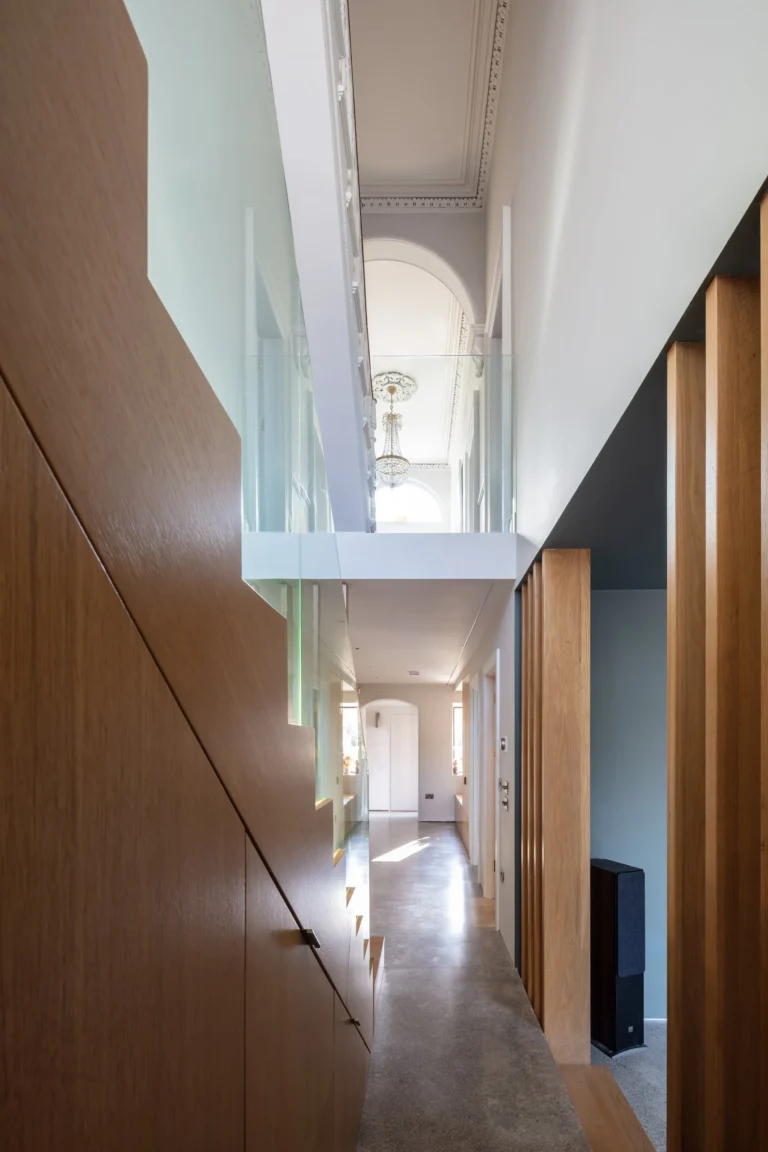
North Circular Road
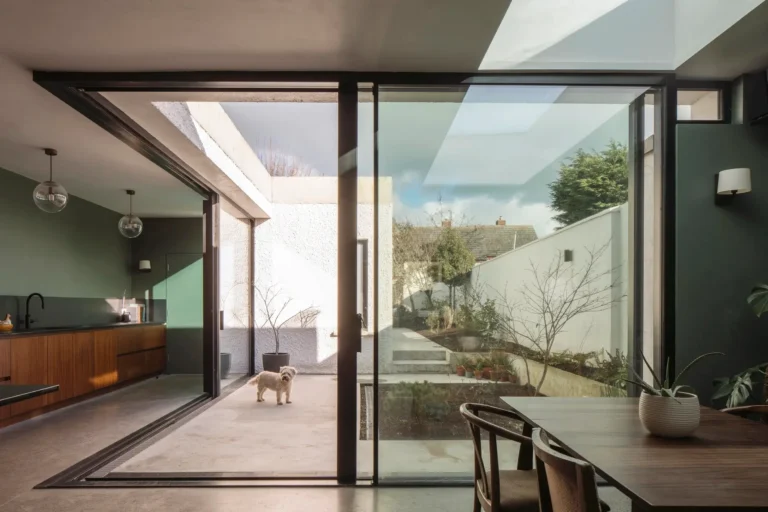
St. Peter’s Terrace
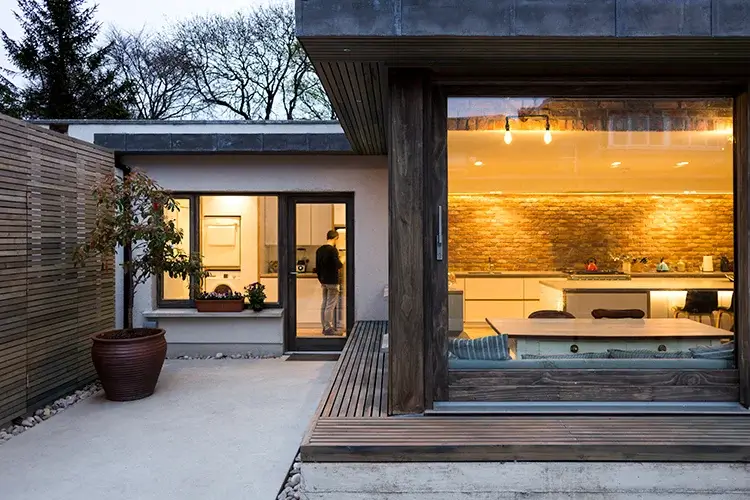
Whitworth Road
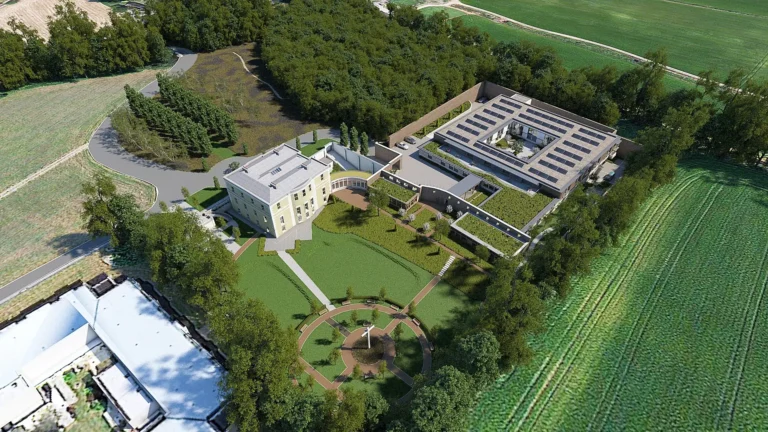
St. Doolaghs
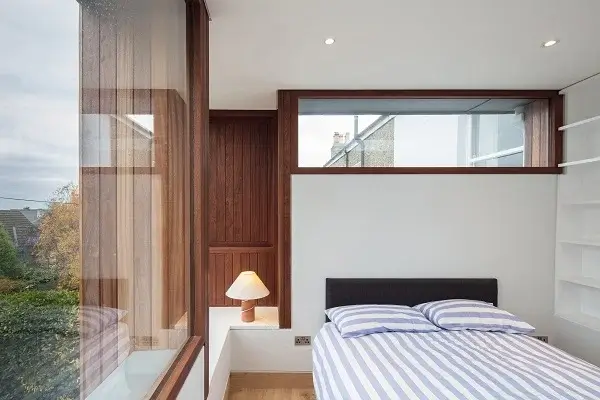
Monkstown
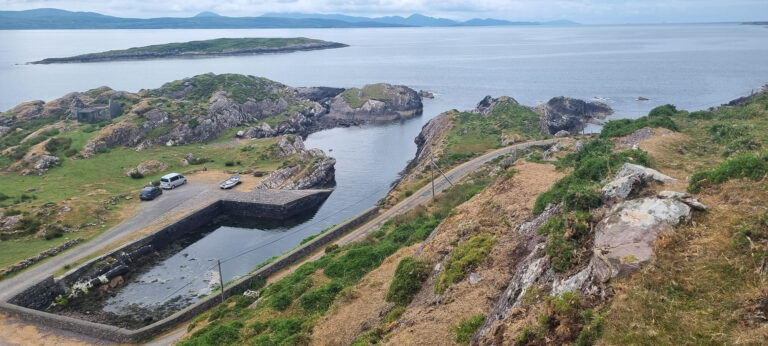
Gleesk
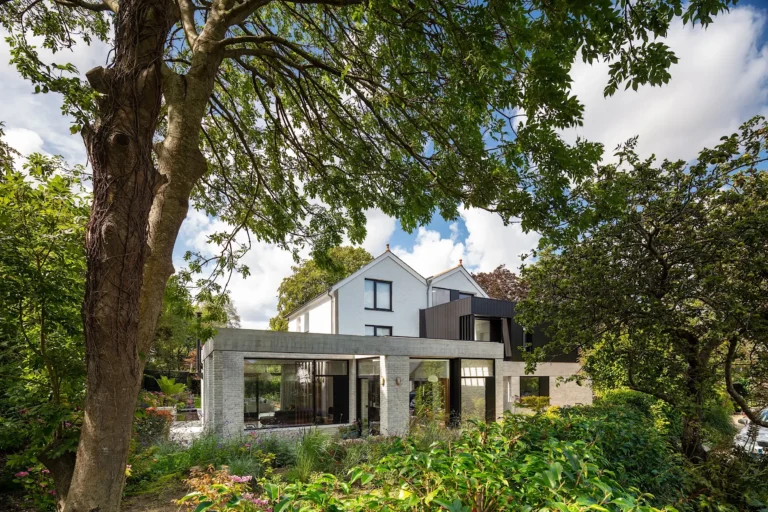
Lerrig Lodge
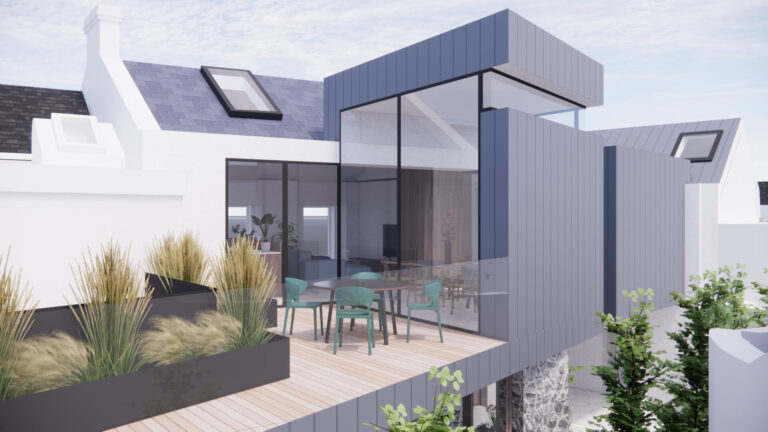
Church Street
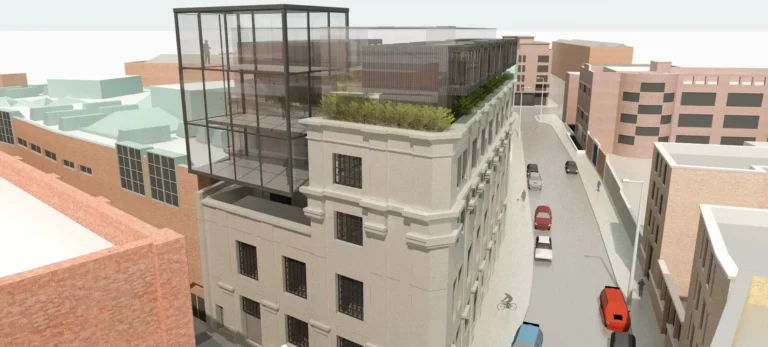
Kings Inn Street
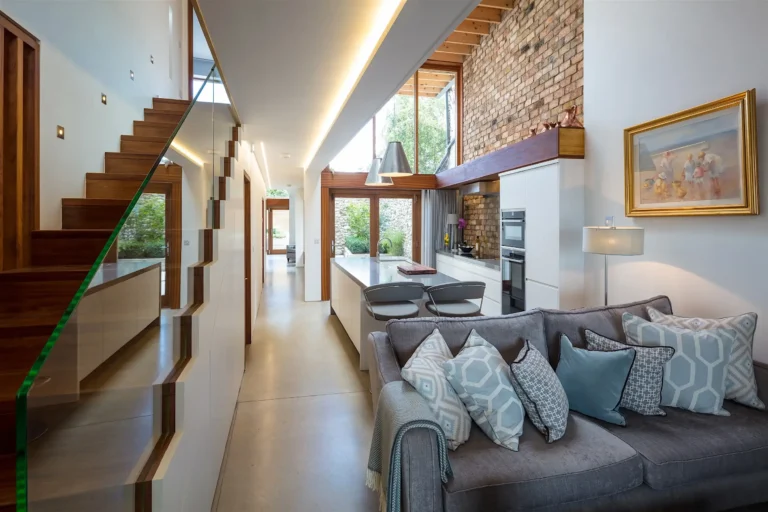
Strand Road
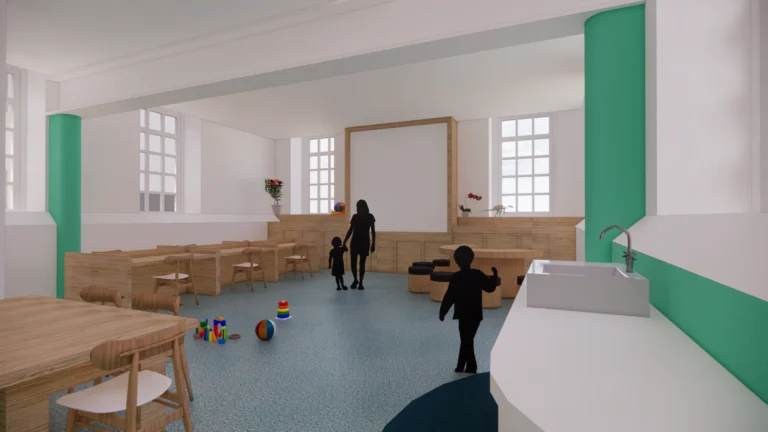
School Adaption



















Background
Conservation and Period Architecture
Conservation projects are shaped by the particular nature of the existing building. In many period homes, character is found not only in the principal façade but in the overall composition of the house: proportions, stair halls, joinery, plasterwork, window openings, roof forms and the relationship between rooms. Even where original features have been altered or lost, the underlying logic of the building often remains legible and should inform the architectural response.
In Dublin, many conservation projects involve Georgian and Victorian houses that have been adapted repeatedly over time. Some have been subdivided, extended unsympathetically or allowed to deteriorate. Others remain structurally sound but no longer support the way a family wants to live. In these cases, conservation architecture is not about resisting change altogether. It is about making changes carefully, understanding which elements are essential to the building’s character and which can be reworked to support contemporary use.
Period homes often present a combination of opportunities and constraints. Their proportions, natural light and material richness can be exceptional, but they may also require substantial upgrading in terms of thermal performance, services, layout and accessibility. A successful conservation project respects the original building while addressing these practical needs in a measured and coherent way.
Planning & Heritage Context
Designing for Conservation in Dublin
Conservation architecture in Dublin is often shaped by statutory and heritage considerations. Projects may involve protected structures, buildings within Architectural Conservation Areas or houses that, while not formally protected, contribute to the character of an established streetscape. This is particularly relevant in areas of the north inner city where Georgian houses, historic terraces and eighteenth- and nineteenth-century urban fabric continue to define the architectural identity of places such as Mountjoy Square and its surrounding streets. In these contexts, architectural decisions must be grounded in a clear understanding of significance, historic fabric and the likely impact of proposed changes.
Early analysis is especially important in conservation work. Before design proposals are developed, it is often necessary to understand the age of the building, the phases of alteration it has undergone, the condition of its materials and the features that contribute most strongly to its architectural value. For Georgian houses in Dublin, this may include original proportions, stair halls, brickwork, joinery, plaster detailing, window openings and the relationship between the house and the wider terrace. This helps establish where intervention should be restrained, where repair is appropriate and where more substantial change may be possible.
Protected Structures
Protected structures require particular care. Alterations that might be straightforward in a more conventional residential project can take on greater significance where original fabric, historic detailing or spatial arrangement are part of the building’s special interest. In these projects, conservation architecture depends on close attention to materials, proportions, junctions and reversibility.
Period Homes
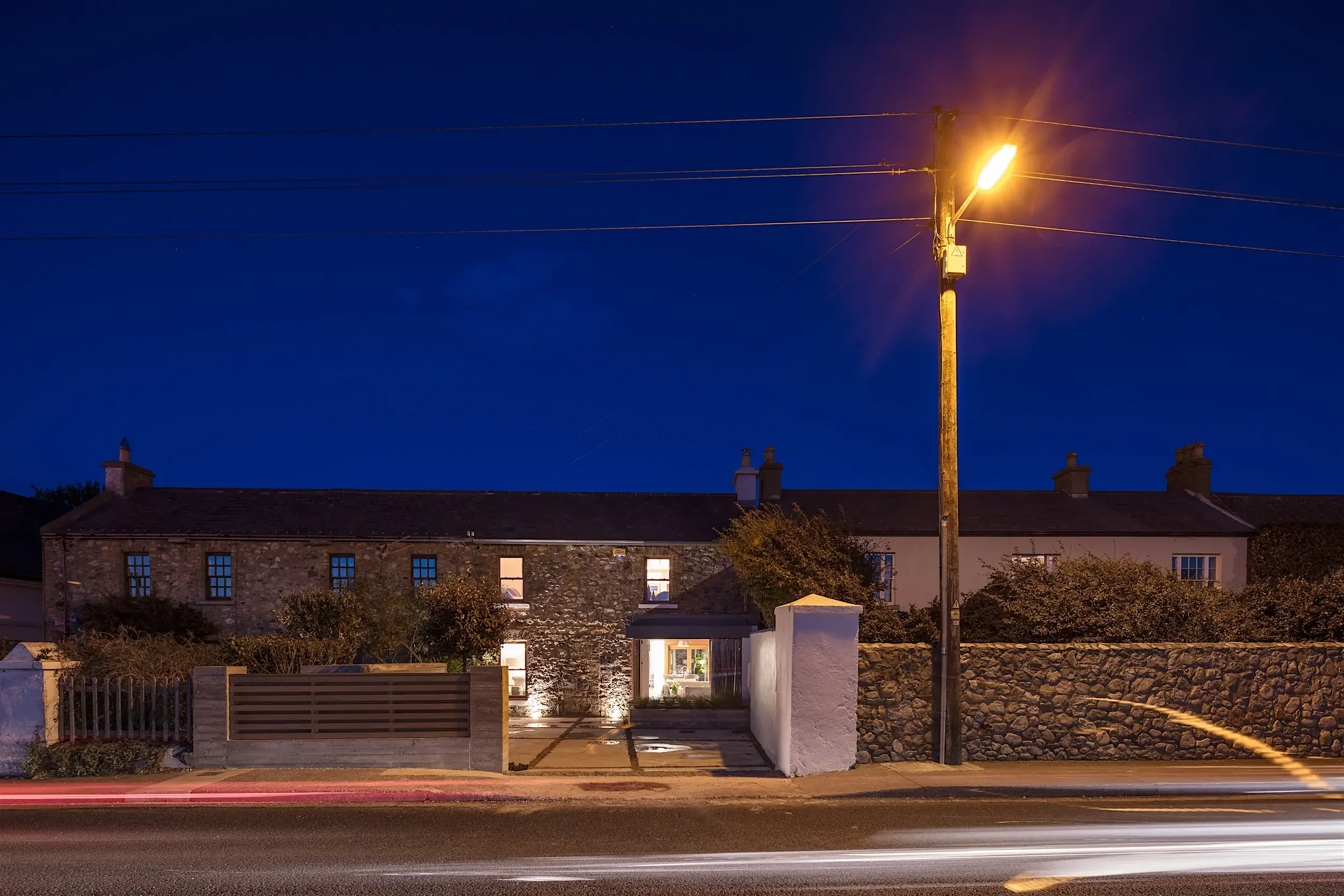
Many conservation projects in Dublin centre on period homes. These can include Georgian townhouses, Victorian terraces, Edwardian and interwar houses, and other dwellings that retain historic character or sit within established urban neighbourhoods. Such buildings often require a sensitive balance between preservation and adaptation, especially where modern family life calls for improved circulation, better connection to the garden, upgraded services or more generous day-to-day living spaces.
Extensions to Historic Buildings
Extending a period building requires careful judgement. The extension should not compete with the original structure, nor should it reduce the clarity of the existing building’s form. In some cases, a quiet and restrained intervention is appropriate; in others, a more contemporary addition can work well if its scale, materiality and relationship to the historic fabric are handled properly. The key is that the new work should be legible, well proportioned and respectful of what is already there.
Repair and Material Integrity
Repair is a central part of conservation practice. Original brickwork, stone, timber windows, lime plaster and historic roof structures often require careful assessment before decisions are made about replacement or upgrade. Retaining and repairing existing fabric is usually preferable where feasible, both because of its heritage value and because historic materials often perform best when understood and maintained in the right way.
Environmental Performance in Older Buildings
Our Approach to Conservation Architecture
Our approach to conservation architecture begins with understanding the building as it is. We look closely at its fabric, proportions, sequence of spaces, material condition and historical development before deciding how best to intervene. This process helps identify what should be preserved, what can be repaired and where carefully considered change can add value.
As conservation architects in Dublin, we work with clients from early feasibility and heritage appraisal through to planning, detailed design and construction. We aim to make older buildings work well for contemporary life while protecting the qualities that give them meaning and character. That may involve the refurbishment of a period home, the extension of a historic house, the adaptation of a protected structure or the careful upgrading of an existing building’s environmental performance.
We are particularly interested in conservation projects where architecture can clarify rather than obscure — where new work supports the legibility of the old building and where changes are guided by an understanding of scale, craft, material and use. In that sense, conservation is not separate from architecture; it is a rigorous form of architectural practice grounded in observation, judgement and care.
If you are considering works to a protected structure, a period home or another historic building in Dublin, we would welcome the opportunity to discuss the project.