
Brennan Furlong Architects — Renovation Projects
Filter by Project Area
Filter by Project Type
include awards schema aggregate totals
Selected Renovation Projects
Selected Renovation Projects
Across Dublin and the surrounding counties, many homes require thoughtful adaptation rather than replacement. Renovation projects often involve reconfiguring existing spaces, extending houses to accommodate changing family needs, or upgrading older buildings to modern environmental standards through careful retrofit strategies. In established neighbourhoods throughout Dublin, much of the housing stock dates from the mid-twentieth century or earlier and benefits from architectural interventions that improve spatial quality, energy performance and long-term durability.
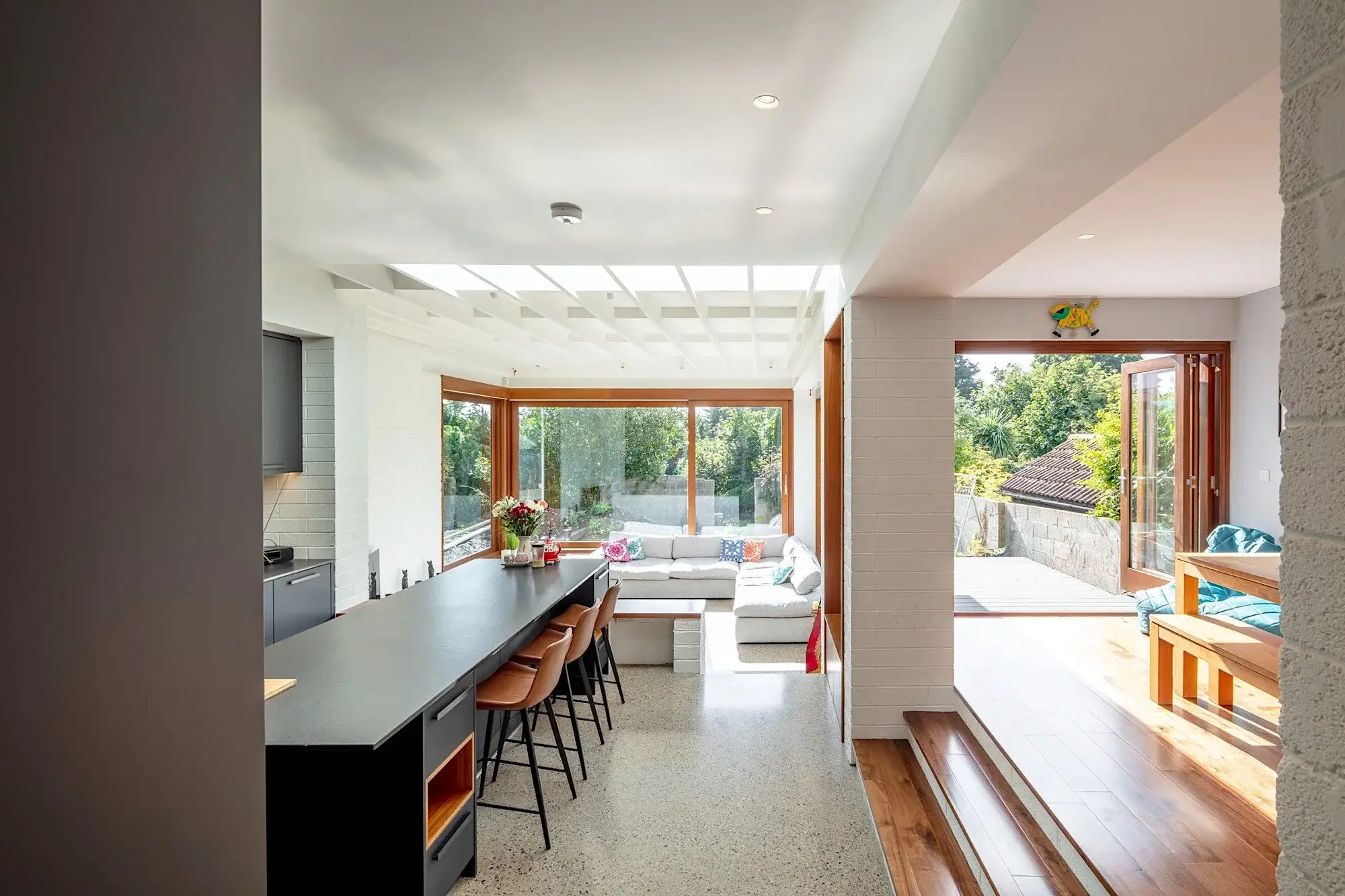
As renovation architects in Dublin, Brennan Furlong Architects have worked on a wide range of residential refurbishments, extensions and retrofit projects across neighbourhoods including Clontarf, Sutton, Killester, Glasnevin and Sandymount. Projects such as the award-winning Stiles Road renovation in Clontarf demonstrate how an existing semi-detached house can be transformed through careful spatial reorganisation and a contemporary extension that reconnects living spaces with the garden.
Other projects involve more substantial upgrades to the building fabric. At Carrickbrack in Sutton, a 1960s bungalow was comprehensively upgraded through a deep energy retrofit that significantly improved thermal comfort and environmental performance while reorganising the layout of the house. Similarly, projects such as Northland Grove and Placencia demonstrate how existing homes can be enhanced through a combination of architectural renovation, extension and carefully considered retrofit measures.
Our renovation work also extends beyond Dublin into counties such as Wicklow and Meath, where houses often sit within larger landscapes and require different strategies for orientation, environmental performance and material durability.
We have delivered a number of renovation projects/homes in Dublin, and surrounds. Select examples include:
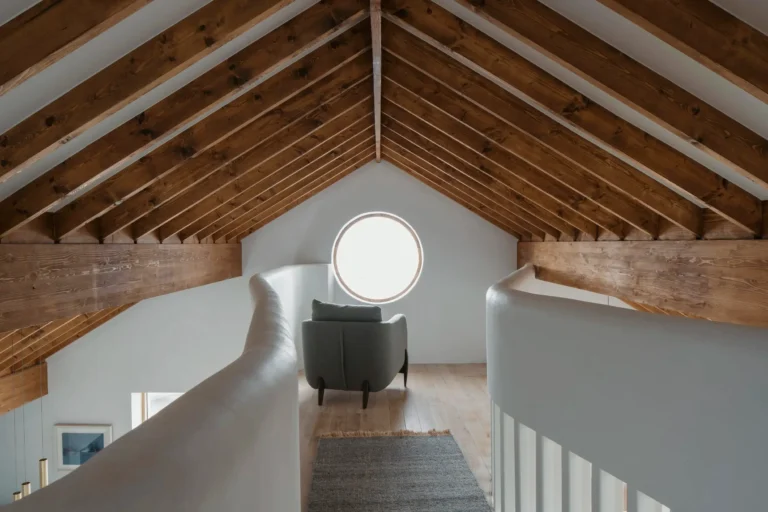
House by the Sea
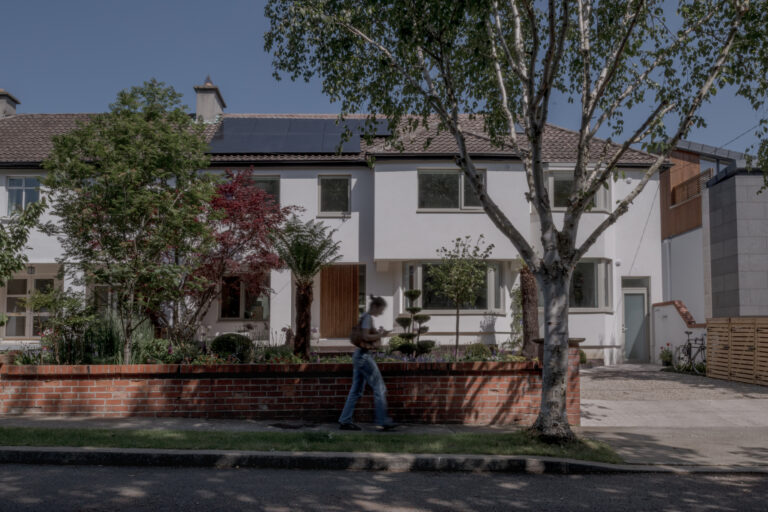
Wynnsward Park
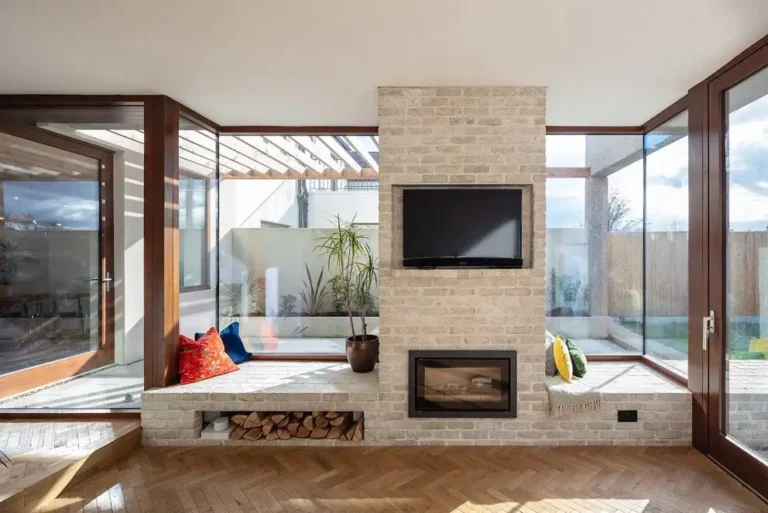
Stiles Road
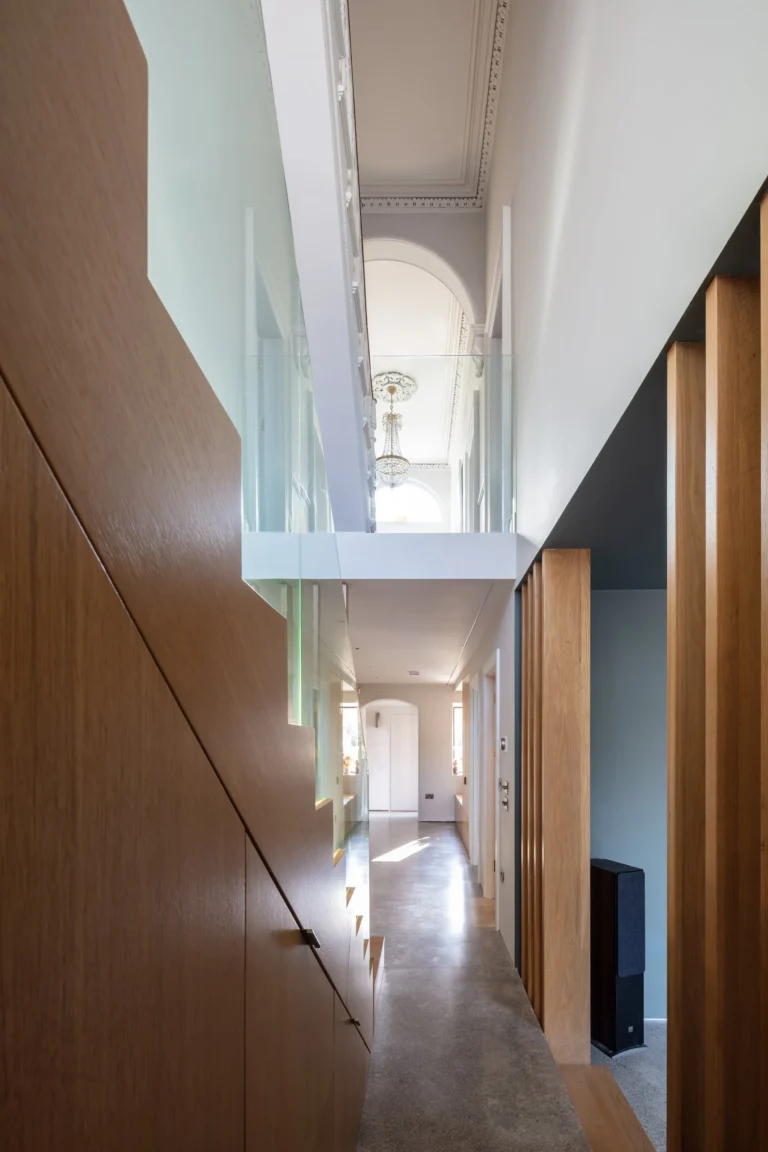
North Circular Road
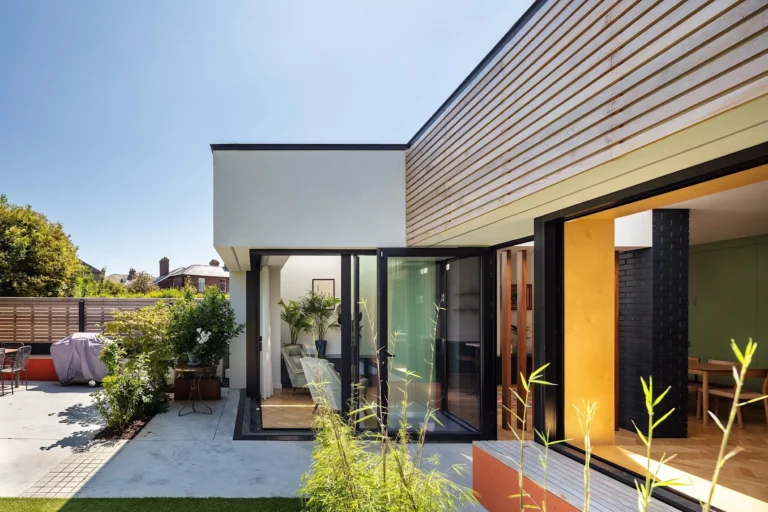
Serpentine
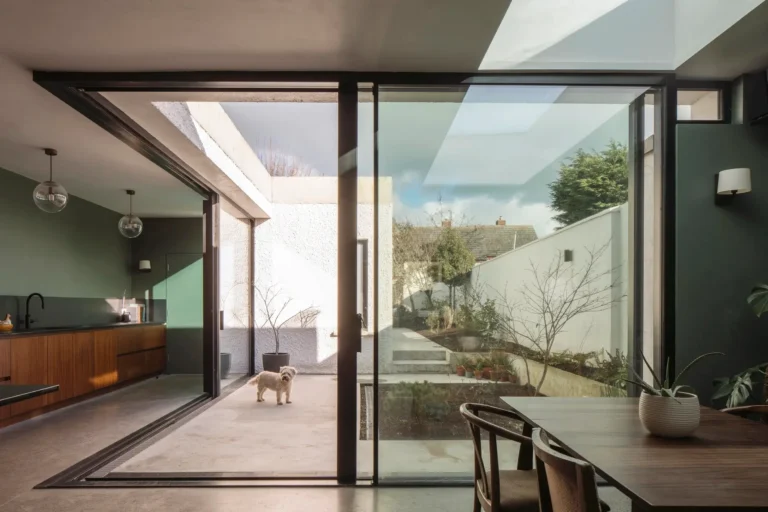
St. Peter’s Terrace
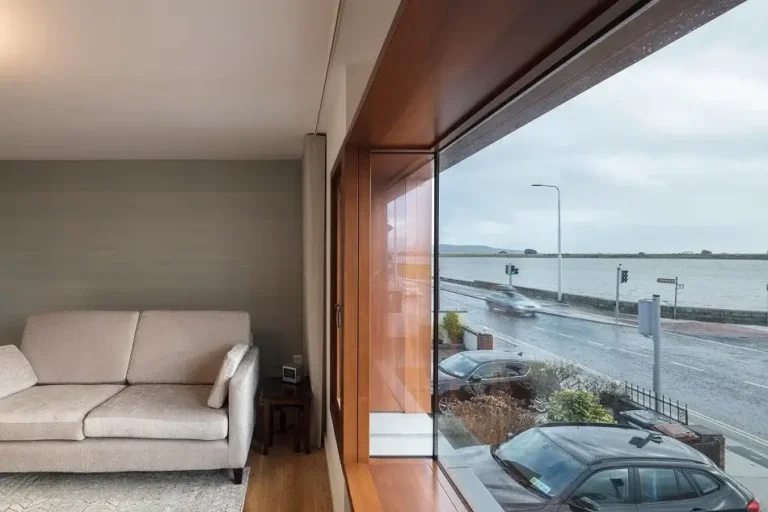
Clontarf Road
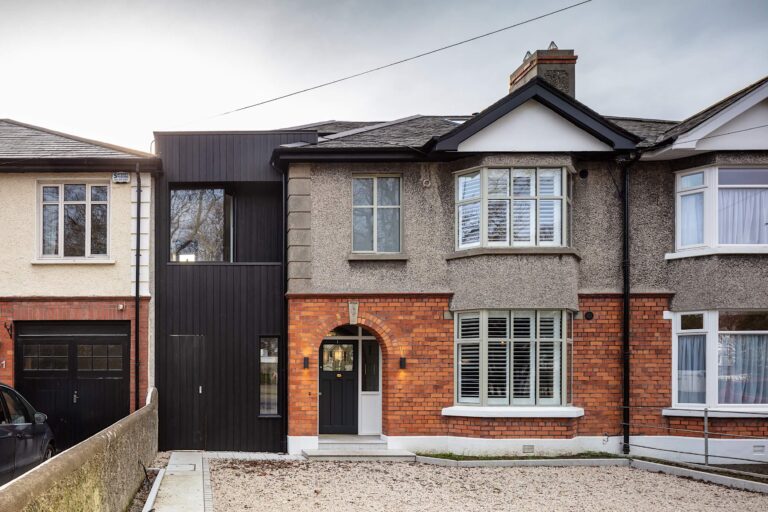
Seafield
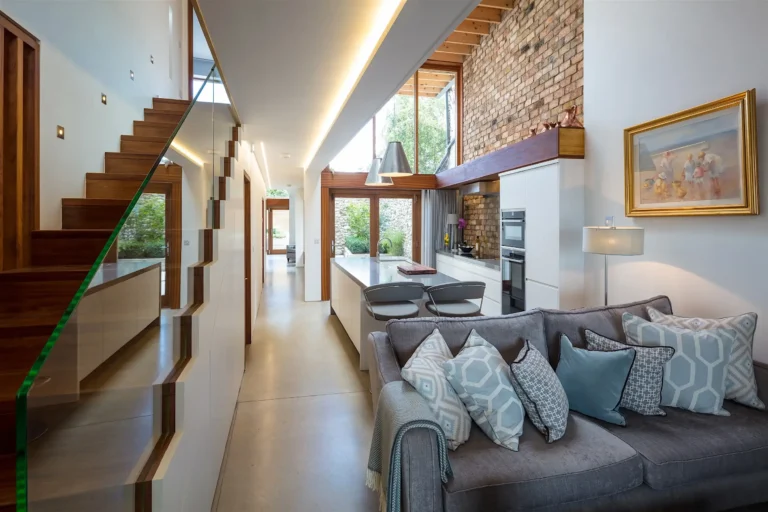
Strand Road
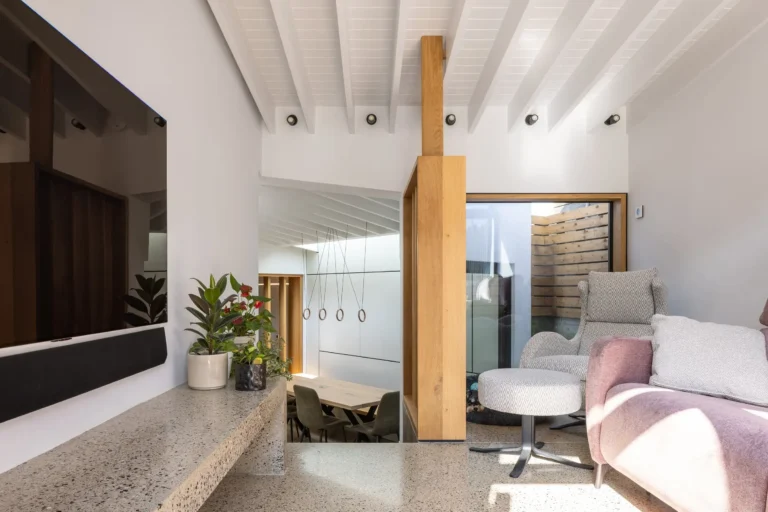
Origami House
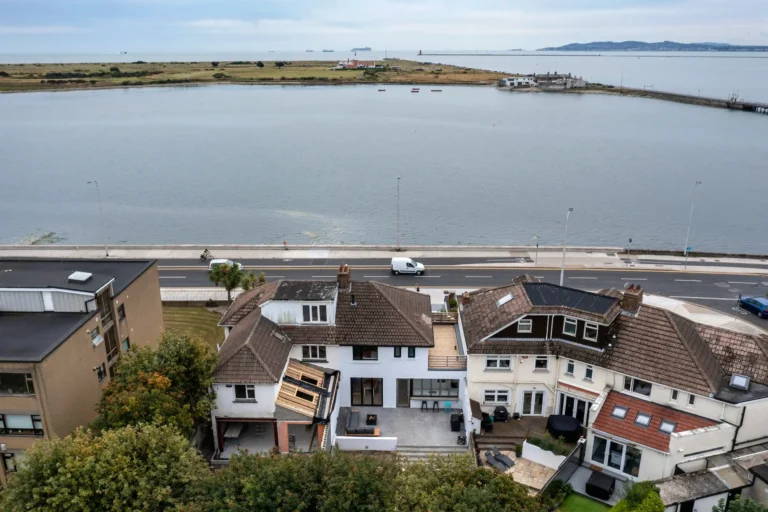
House For A Sea Swimmer
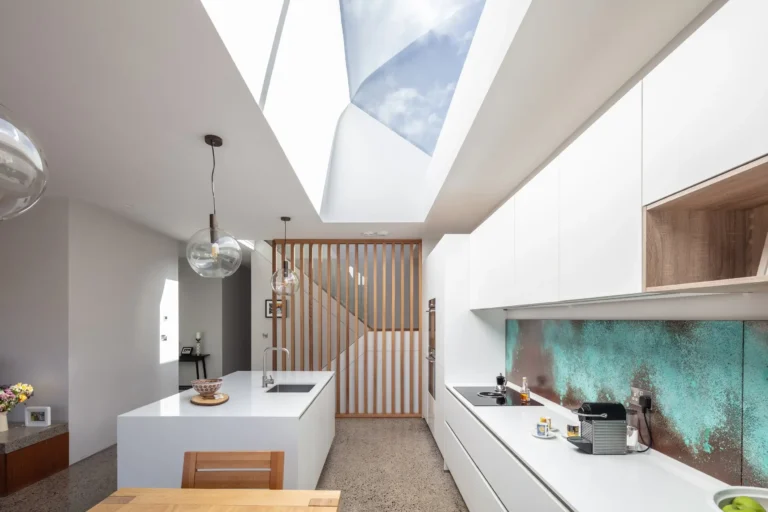
Carrickbrack
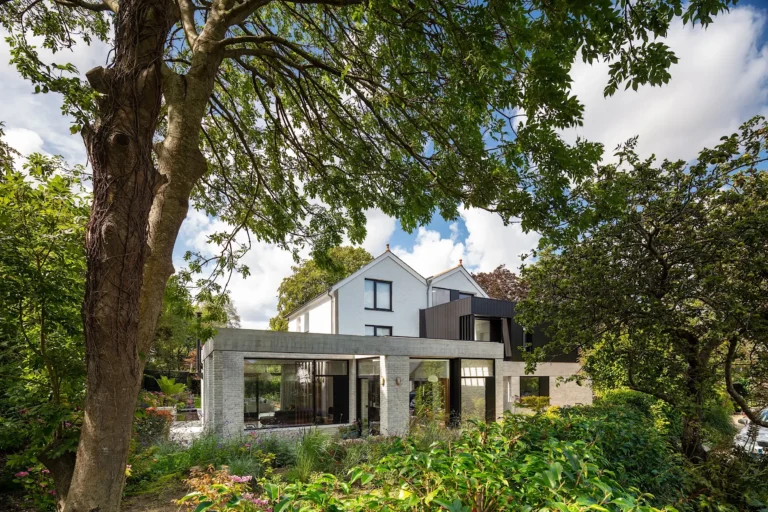
Lerrig Lodge
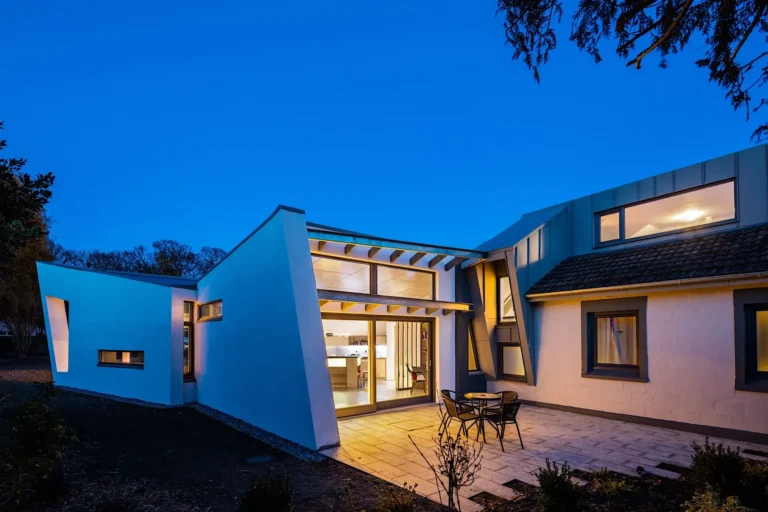
Howth Road
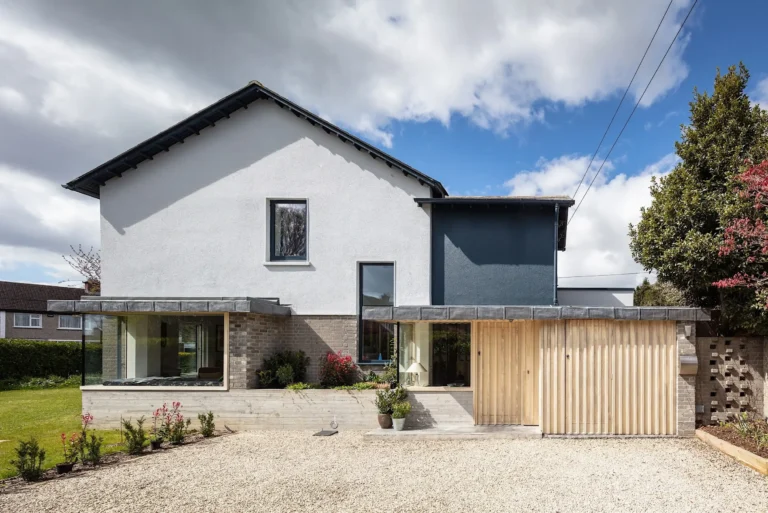
Northland Grove
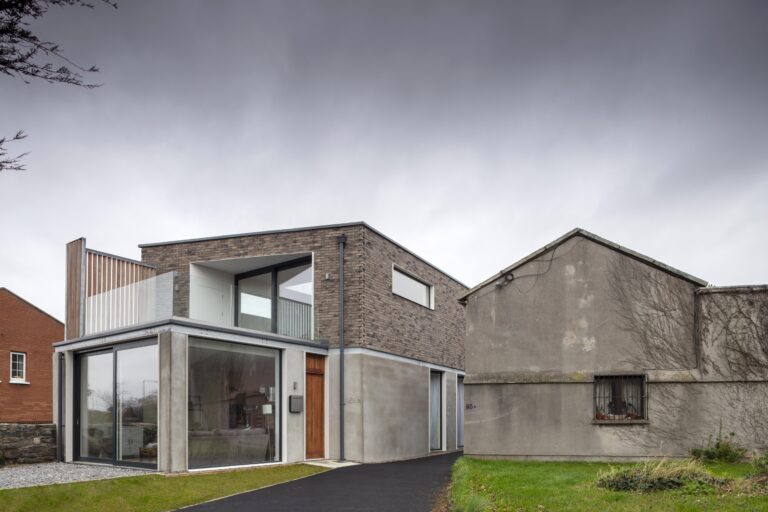
Clontarf Road
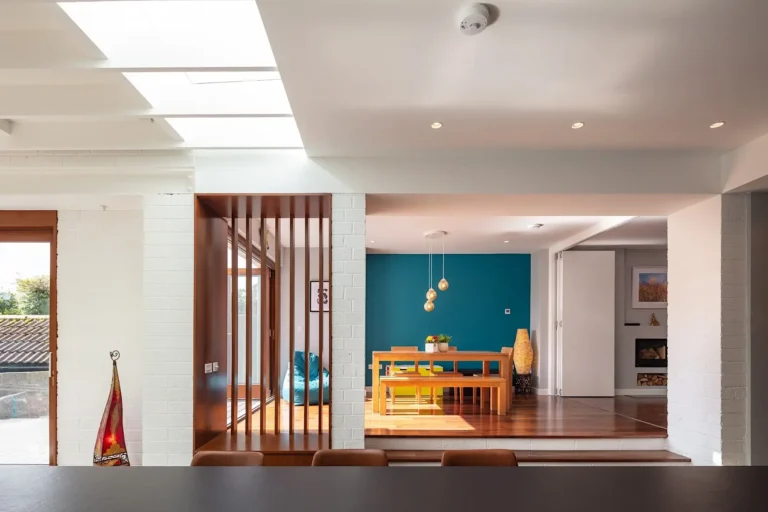
Placencia
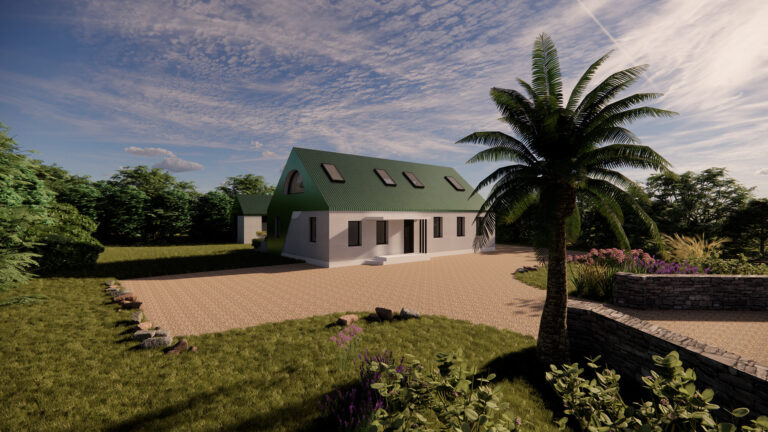
Slade
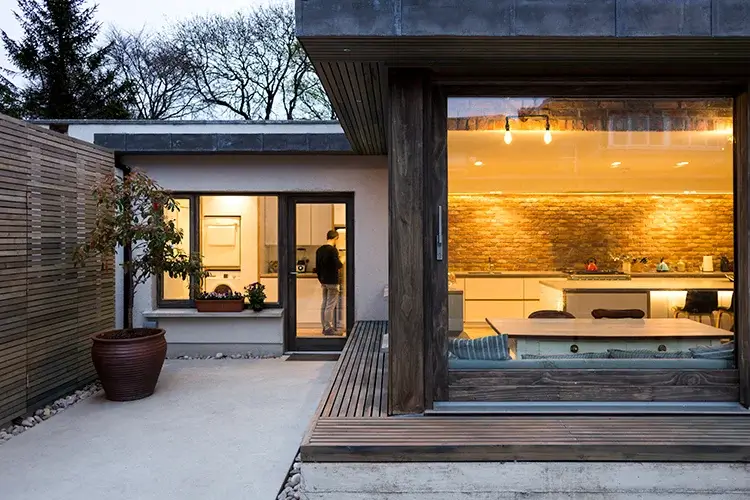
Whitworth Road
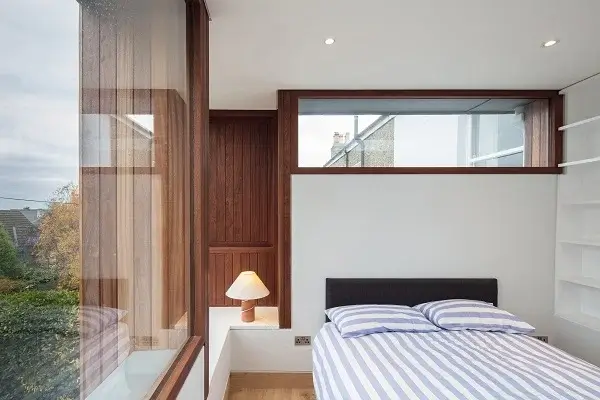
Monkstown



























Area Background / History
Renovation & Retrofit Architecture
The character of renovation projects in Dublin is shaped by the city’s diverse housing stock. Many suburban neighbourhoods were developed between the 1930s and the 1970s, producing semi-detached and detached houses set within generous gardens. While these houses often have robust structural fabric, their internal layouts can feel compartmentalised and their energy performance may fall short of contemporary expectations.
Architectural renovation therefore frequently involves both spatial reorganisation and building fabric upgrades. Extensions may introduce new living spaces that connect more directly with the garden, while retrofit measures improve insulation, airtightness and thermal comfort throughout the house.
In coastal areas such as Sutton and Howth, renovation projects often involve reorienting houses to capture views across Dublin Bay while addressing issues of exposure, solar control and privacy. Projects like House for a Sea-Swimmer demonstrate how existing dwellings can be reworked to respond more directly to their surroundings while incorporating modern environmental standards.
Beyond Dublin, counties such as Wicklow and Meath present different renovation conditions. Rural houses may have evolved through multiple phases of construction and often benefit from a combination of architectural reorganisation and energy retrofit to improve comfort and efficiency. In these contexts, renovation becomes an opportunity to strengthen the relationship between house and landscape while significantly upgrading environmental performance.
For architects working across Dublin and Ireland, successful renovation requires understanding the inherent qualities of an existing building before introducing new architectural elements. The goal is not simply to enlarge a house, but to improve how it works, how it feels and how efficiently it performs.
Planning & Site Context
Planning a Renovation or Retrofit Project in Dublin and Ireland
Renovation projects in Dublin are governed by planning policies set out by the relevant local authority. While some minor works may fall within exempted development provisions, larger extensions, structural alterations and certain retrofit measures may require planning permission.
Pre-planning engagement with the planning authority can be particularly valuable where projects involve substantial extensions, significant façade changes or houses located within Architectural Conservation Areas. Early consultation helps clarify acceptable scale, design approach and heritage considerations.
Do I need an architect for a home retrofit in Dublin?
Many retrofit projects begin with energy upgrades such as insulation, new windows or heating systems. While these improvements can significantly enhance comfort and efficiency, the most successful retrofit projects consider the house as a whole rather than addressing individual elements in isolation.
An architect can help coordinate building fabric upgrades with spatial improvements, ensuring that insulation, ventilation, daylight and circulation all work together. For example, when a house is being extended or reconfigured, it is often the ideal moment to upgrade insulation levels, improve airtightness and integrate more efficient glazing.
For homeowners planning substantial changes, working with renovation and retrofit architects in Dublin allows these improvements to be considered as part of a broader architectural strategy rather than as separate technical interventions.
Do I need planning permission to renovate or extend a house in Dublin?
Whether planning permission is required depends on the scale and nature of the proposed work. In Ireland, certain small domestic extensions and alterations may fall within exempted development provisions, meaning planning permission is not required. However, once projects exceed specific size thresholds or significantly alter the external appearance of a house, a formal planning application is typically necessary.
Renovation projects that involve protected structures or houses located within Architectural Conservation Areas may require planning approval even for relatively modest changes. Local authorities such as Dublin City Council also assess issues including overlooking, building height, site coverage and the relationship of new extensions to neighbouring properties.
For many homeowners, early design advice can help clarify what is achievable on a site before drawings are prepared. Working with renovation architects in Dublin allows planning constraints, spatial opportunities and energy upgrades to be considered together at the outset, reducing uncertainty as the project progresses.
Suburban Houses
Most renovation projects in Dublin involve suburban homes built in the mid-twentieth century. These houses often benefit from solid construction and generous sites, making them well suited to extension and retrofit. Architectural interventions typically focus on improving circulation, increasing daylight and strengthening the relationship between interior spaces and gardens.
Coastal Homes
Renovation work in coastal areas such as Sutton, Clontarf and Howth must respond to environmental exposure and the relationship between house and landscape. Architectural interventions often reorient living spaces toward views while introducing sheltered outdoor areas and durable materials suited to maritime conditions.
Rural House Renovations
In counties such as Wicklow and Meath, renovation projects often involve houses located within larger landscapes. Architectural proposals must respond to topography, existing vegetation and long views while integrating energy retrofit measures that improve long-term environmental performance.
Home Extensions
Rear extensions remain one of the most effective ways to transform existing houses. When carefully designed, they allow contemporary living spaces to be introduced while maintaining the character of the original building. The relationship between new and existing structures must be carefully considered in terms of scale, material and proportion.
Energy Retrofit
Improving the environmental performance of existing houses is becoming increasingly important across Ireland. Retrofit strategies may include upgrading insulation, improving airtightness, installing high-performance glazing and incorporating renewable technologies where appropriate. Deep energy retrofit projects can significantly reduce energy consumption while enhancing comfort and durability.
What is a Deep Energy retrofit?
A deep energy retrofit refers to a comprehensive upgrade of an existing building to significantly improve its energy performance and comfort. Rather than addressing individual elements such as windows or heating systems separately, a deep retrofit considers the entire building fabric — including insulation, airtightness, ventilation and energy systems — as a coordinated strategy.
Many houses built in Dublin during the mid-twentieth century were constructed before modern energy standards existed. Through careful retrofit design, these buildings can be transformed into comfortable, energy-efficient homes while preserving their architectural character.
Projects such as Carrickbrack in Sutton demonstrate how deep energy retrofit can be combined with spatial reorganisation and contemporary extensions to create homes that perform well environmentally while continuing to evolve architecturally.
Our Approach to Renovation Architecture
Our approach to renovation architecture begins with a detailed understanding of the existing building. Every house contains spatial clues — patterns of movement, relationships between rooms and connections to the outside — that inform how the building might evolve.
As renovation architects in Dublin, we work closely with clients to explore how their homes can adapt to changing needs while retaining the qualities that made them appealing in the first place. Through careful analysis and design development, we identify opportunities to introduce natural light, improve circulation and enhance environmental performance.
We guide projects from early feasibility and planning strategy through detailed design and construction, ensuring that the transformation of the house is achieved with clarity and precision. Whether renovating a suburban family home in Dublin, reworking a coastal dwelling along Dublin Bay or adapting a rural house in Wicklow or Meath, our aim is to create spaces that feel both contemporary and rooted in their original setting.