
Brennan Furlong Architects — Clontarf Projects
Filter by Project Area
Filter by Project Type
include awards schema aggregate totals
Selected Clontarf Projects
Selected Clontarf Projects
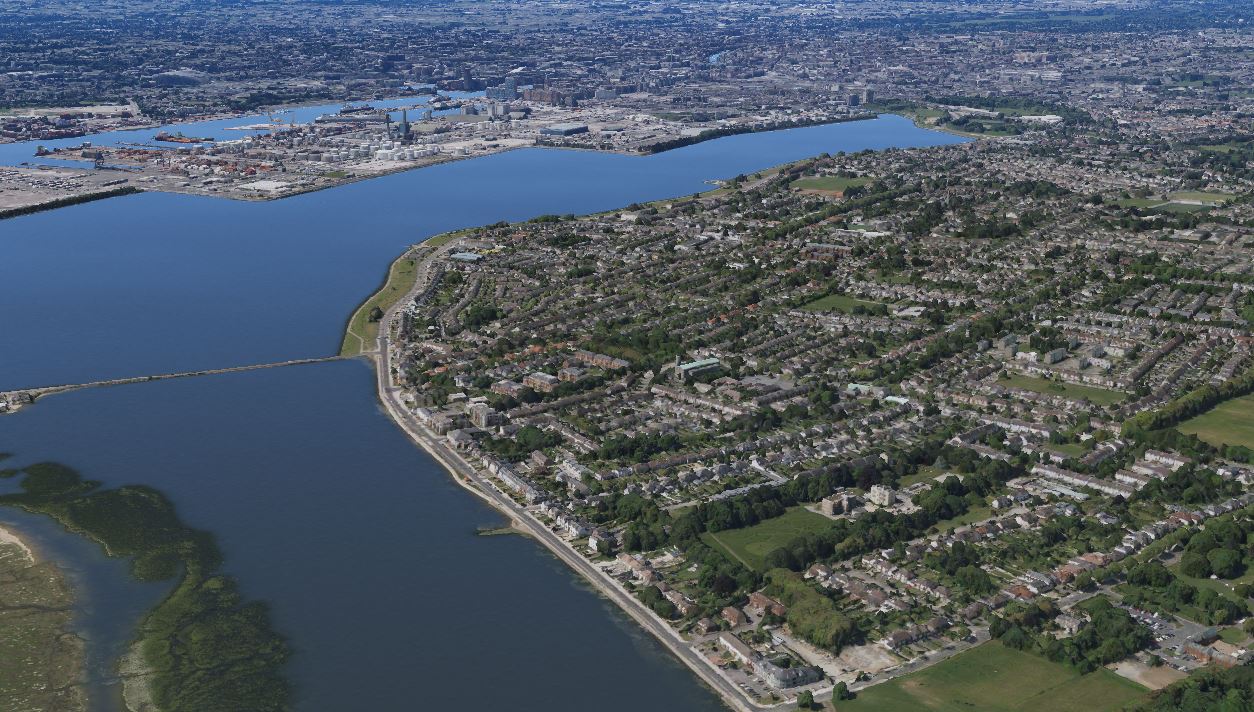
Clontarf is a mature coastal suburb on Dublin’s north side, defined by its long promenade along Dublin Bay, established residential streets, and proximity to the city centre. It combines the openness of its seafront setting with the structure of a well-settled suburban neighbourhood. Tree-lined roads, historic boundary walls and generous rear gardens give much of Clontarf a distinct spatial character, while views across the bay towards Poolbeg and the Dublin Mountains anchor it firmly to the coastline.
As architects in Clontarf, we have worked on a range of residential projects including substantial renovations, carefully scaled extensions, reorganisation of existing homes and discreet infill development. Our architectural projects in Clontarf respond to the area’s strong streetscape identity and coastal exposure, balancing contemporary spatial requirements with respect for neighbouring amenity and established built form.
We have delivered a number of projects and homes in Clontarf. Select examples include:
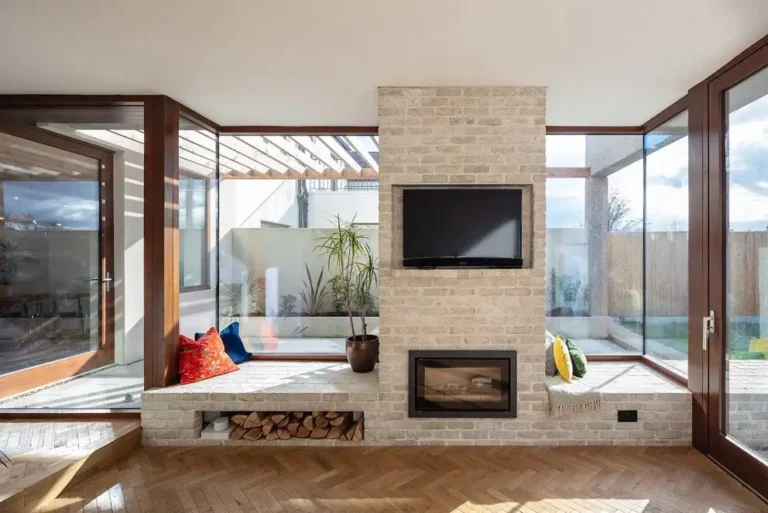
Stiles Road
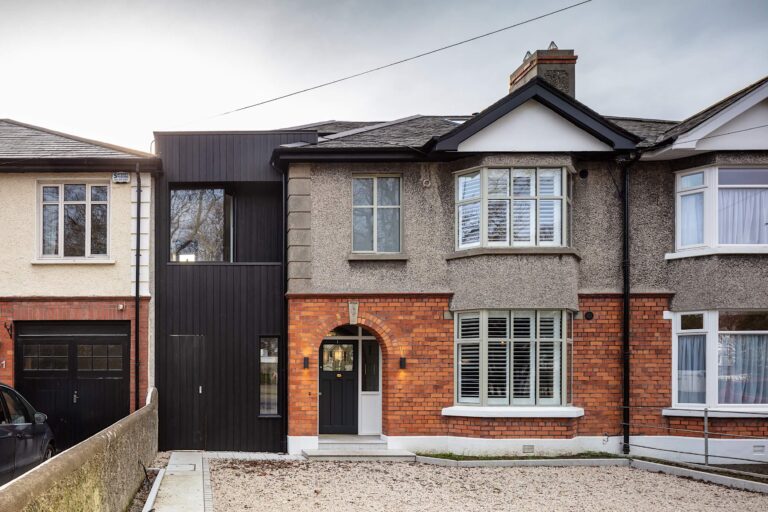
Seafield
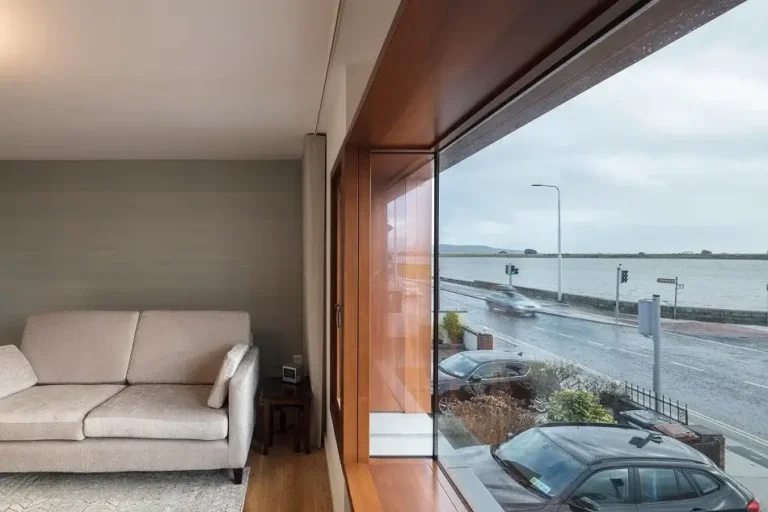
Clontarf Road
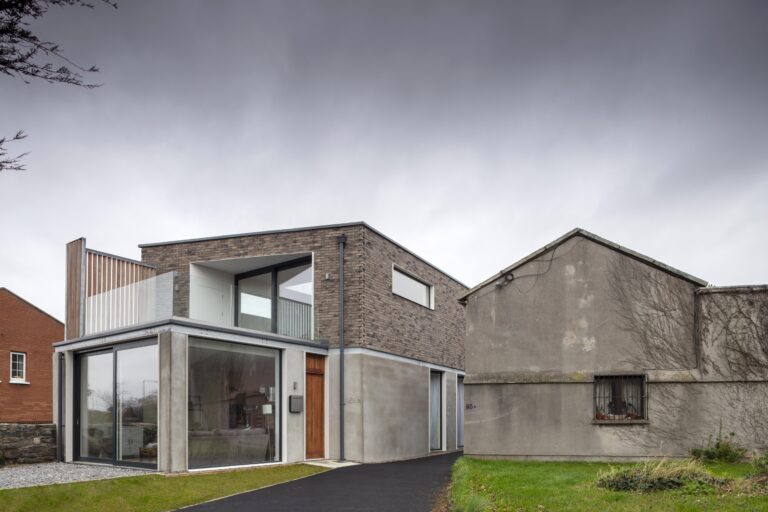
Clontarf Road
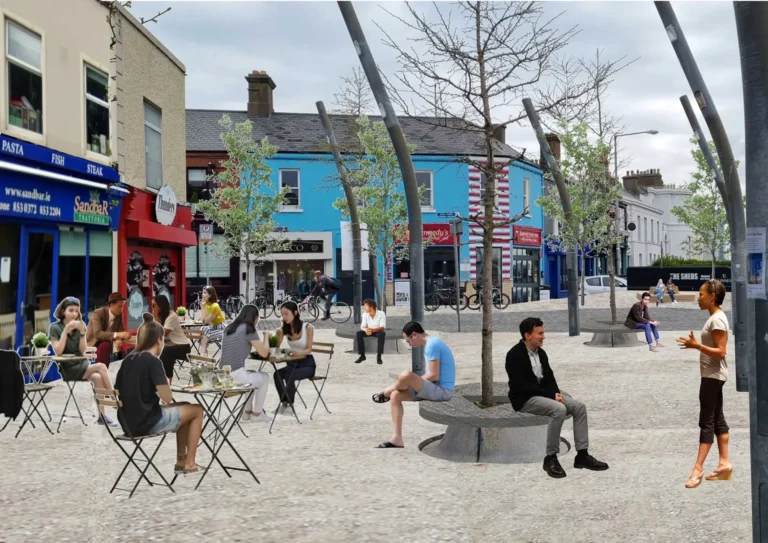
Vernon Avenue – What If
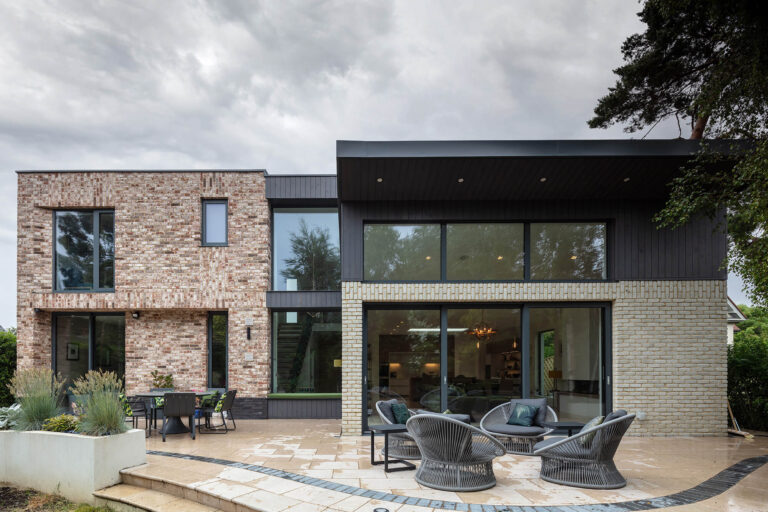
Yew Lodge
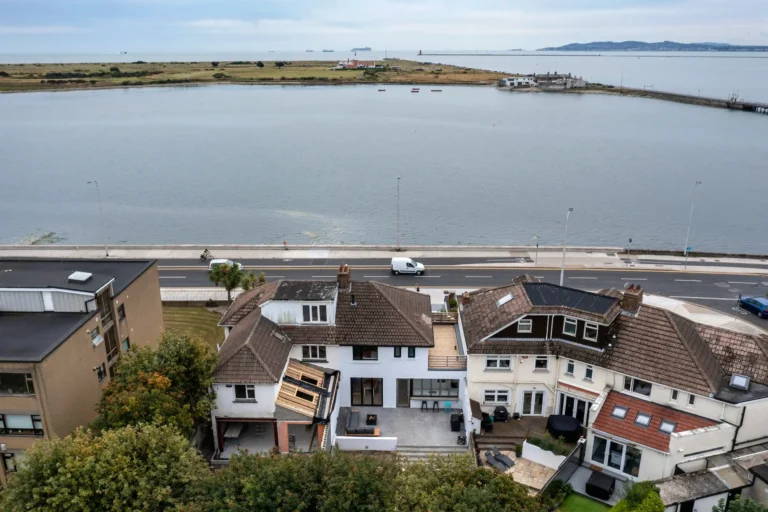
House For A Sea Swimmer
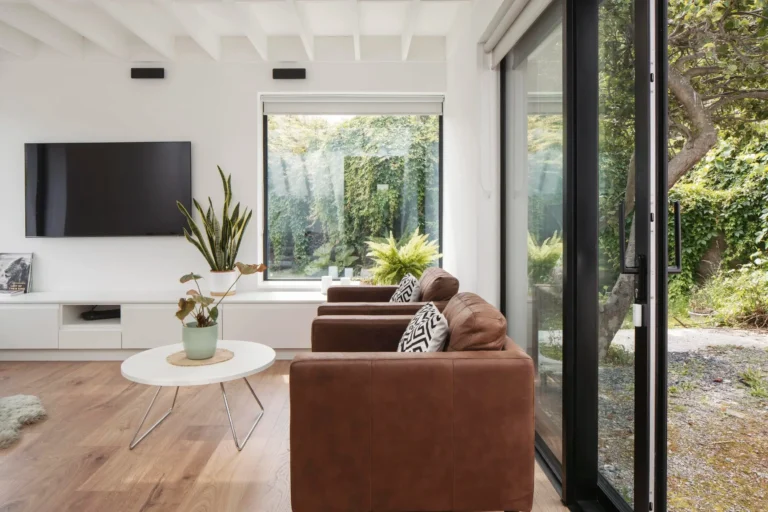
Moat Lane



























Area Background / History
Architecture in Clontarf
Clontarf’s built character reflects successive phases of development from the late 19th century through to the mid- and late-20th century. Victorian and Edwardian terraces and villas sit alongside 1930s and 1940s semi-detached houses, with later infill and occasional contemporary redevelopment layered into the urban fabric. In some locations, historic boundary walls and remnants of former estates remain embedded within the streetscape.
The urban grain is typically defined by relatively wide residential roads, consistent building lines and generous plot depths. Front gardens contribute to a sense of openness, while mature trees and hedging soften the suburban environment. Along the seafront, houses often address the promenade directly, with living spaces oriented towards the water and upper floors designed to capture long views across the bay.
Clontarf also contains pockets of architectural significance, including Architectural Conservation Areas (ACAs) and individual Protected Structures. These designations reinforce the importance of proportion, roof form, façade rhythm and material selection in any new work. Even outside designated zones, the prevailing character of red brick, rendered façades and pitched roofs establishes a clear residential scale.
For contemporary architectural interventions, this context demands discipline. Extensions must respond to established ridge heights and garden boundaries. New openings and rear additions should enhance internal light and connection to landscape without compromising neighbouring privacy. Infill development requires careful massing and articulation to integrate seamlessly into mature streets.
The defining quality of homes in Clontarf is their relationship to both street and garden. Successful projects tend to strengthen this dual orientation — maintaining the integrity of the public façade while opening internal spaces towards private outdoor areas.
 ©Microsoft, Bing Maps, and its data providers
Planning & Site Context
Planning a Project in Clontarf
Coastal Sites
Properties along Clontarf Road and adjacent to the promenade benefit from expansive views but are exposed to prevailing winds and salt-laden air. Materials and detailing must account for long-term durability. Glazing strategies require careful calibration to balance solar gain, privacy and weather protection. Where sites are within areas of potential flood risk, finished floor levels and drainage strategies must be addressed clearly in planning submissions.
Suburban Plots
Much of Clontarf consists of deep rear gardens behind established houses. Extensions are typically assessed against rear building line guidance, garden depth retention and daylight access to neighbouring properties. Proposals that consolidate ancillary spaces and improve internal layout while preserving garden character tend to align well with planning objectives.
Period Homes
Environmental Exposure & Retrofit
Our Approach in Clontarf
Our work in Clontarf begins with a careful reading of site conditions, planning context and the established architectural language of the street. We assess zoning, development plan objectives and any conservation constraints before developing a design strategy that aligns with both policy and client ambition.
From feasibility and planning applications through to detailed design and construction oversight, we provide a structured architectural service focused on clarity, durability and spatial quality. As architects in Clontarf, our aim is to create homes that respect their context while delivering contemporary performance and comfort.
If you are considering a renovation, extension or new build in Clontarf, we would be pleased to discuss the opportunities and constraints of your site and outline a clear path forward.