
Brennan Furlong Architects — Recreational Projects
Filter by Project Area
Filter by Project Type
include awards schema aggregate totals
Selected Recreation Projects
Selected Recreation Projects
Recreation architecture brings together building, landscape and community use. Sports and leisure facilities are rarely defined by a single function alone; they often support training, competition, social activity, youth development and informal gathering within the same setting. At Brennan Furlong Architects, our recreation projects are shaped by this wider understanding of how people use shared facilities and how architecture can support both everyday activity and long-term community value.
In Dublin and its surrounding areas, recreation projects can range from sports club buildings and changing facilities to wider proposals involving pitches, parks, access, landscape and public amenity. These projects often sit within established neighbourhoods where they play an important civic role, serving children, families, volunteers, members and visitors across the week. Good recreation architecture therefore needs to do more than meet a technical brief. It should help create places that are durable, welcoming and capable of supporting a broad range of users over time.
Our recreation portfolio includes projects connected to sport, leisure and community infrastructure. Some focus on the development of new facilities for growing clubs and organisations. Others explore how existing grounds or amenity spaces can be improved to support greater use, better resilience and a stronger relationship to the wider community. In each case, the aim is to create architecture that is practical and robust while also contributing positively to the experience of the site.
We have delivered a number of recreation, sports and leisure projects. Select examples include:
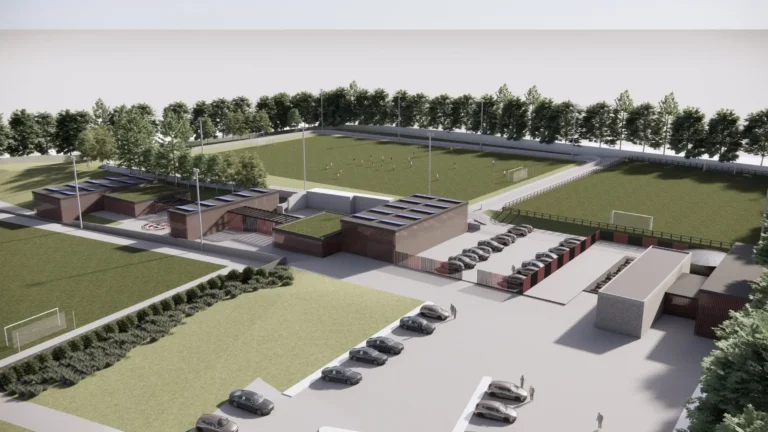
Oscar Traynor
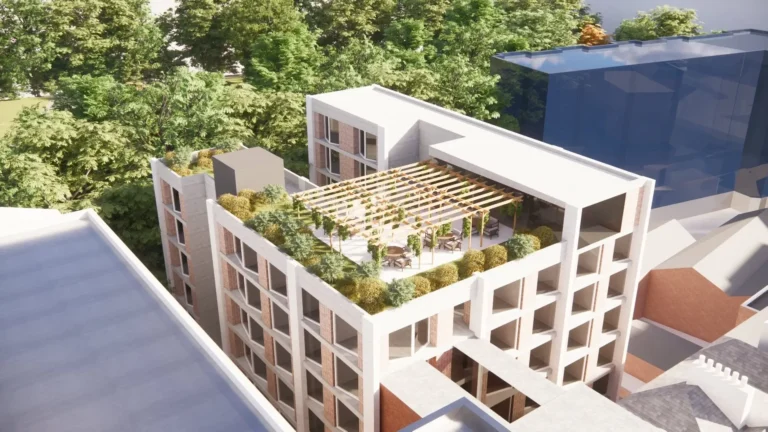
Iveagh Garden Hotel
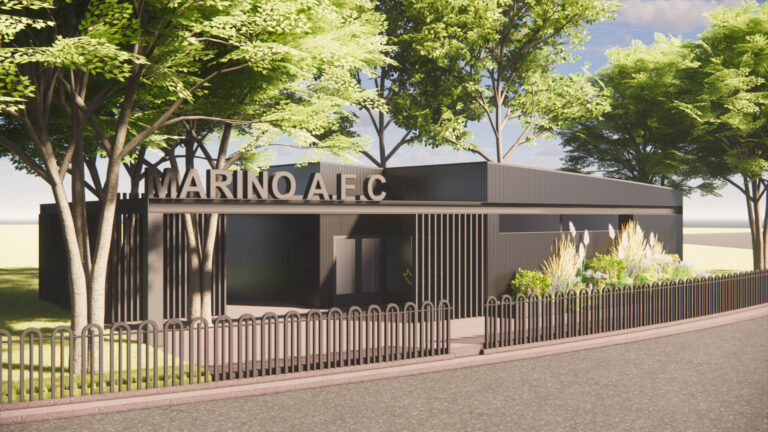
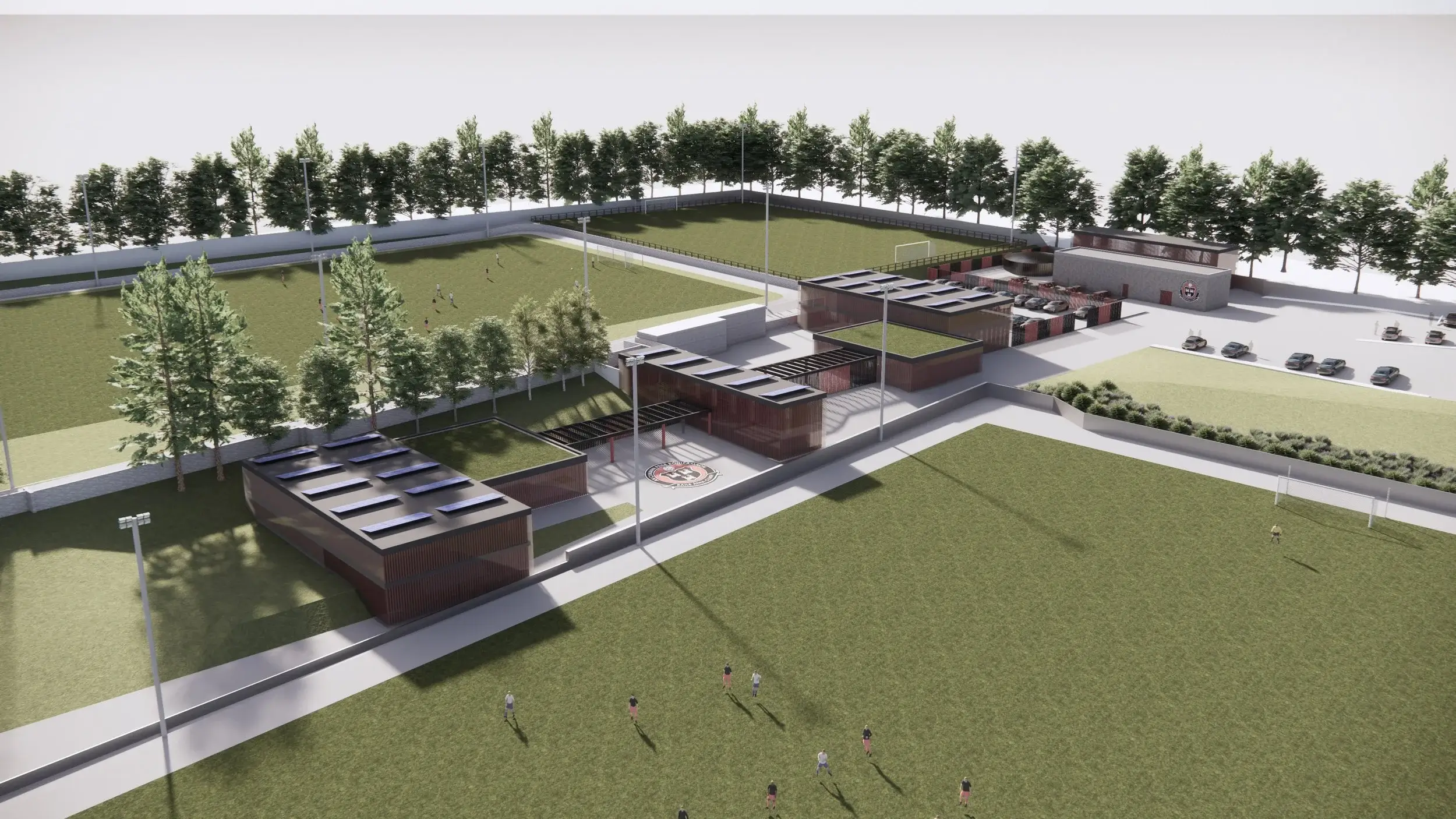
Marino AFC
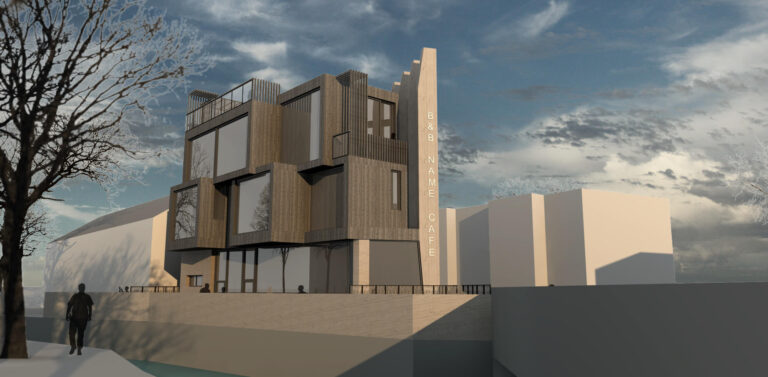
Bow Lane West Kilmainham
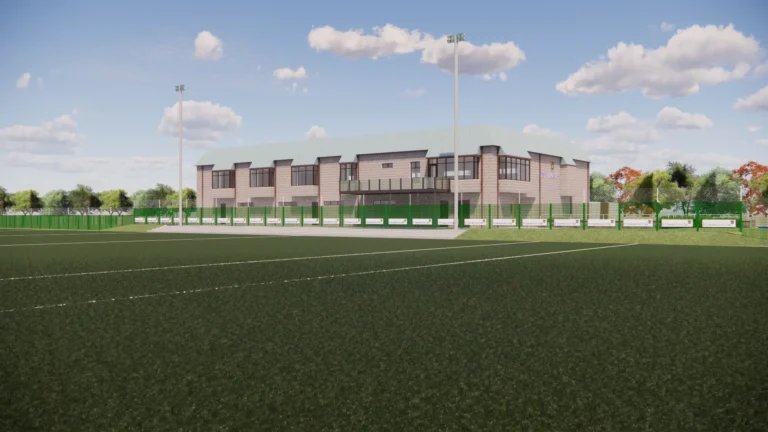
St Vincent’s GAA Club
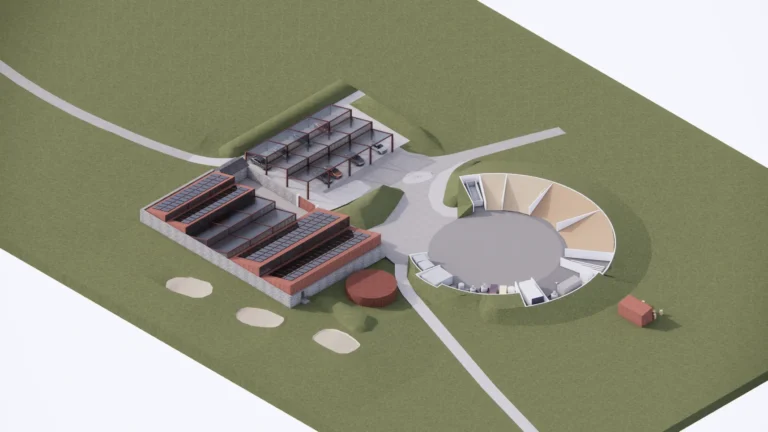
Royal Dublin Golf Club
























Area Background / History
Recreation, Sports & Leisure Architecture
Recreational facilities occupy a distinctive place within architectural practice. They must often accommodate movement, changing patterns of use, seasonal demand and a wide variety of users, from young children and volunteers to organised clubs and the broader public. This requires a careful balance between functional efficiency, durability and civic presence.
In many cases, recreation projects are as much about the spaces around the building as the building itself. Arrival, access, circulation, viewing areas, storage, landscape edges and relationships to pitches or open space all influence how the facility works in practice. A well-designed recreation project should feel clear and easy to use, with a strong relationship between indoor and outdoor functions and with attention given to how the site operates on busy event days as well as in day-to-day use.
In Dublin, many sports and leisure facilities are embedded within established residential neighbourhoods or public open spaces. This means they often carry a social importance beyond their immediate programme. A clubhouse, sports pavilion or leisure building may also act as a local meeting point, a visible marker of community identity or an anchor within a wider landscape setting. Recreation architecture therefore benefits from being approached not just as utility, but as part of the public life of a place.
Planning & Site Context
Designing Recreational Projects in Dublin
Recreational architecture projects are often shaped by a wide range of practical and planning considerations. These can include access and parking, pedestrian movement, safeguarding, changing accommodation, lighting, overlooking, drainage, acoustic impact and the relationship between built facilities and adjoining residential or open-space contexts. Early site analysis is therefore especially important.
In Dublin, recreation projects may be located within parks, on club grounds, beside schools or within established suburban neighbourhoods. Each of these settings brings different constraints and opportunities. A facility within a dense urban area may require careful management of scale, boundaries and access. A project in a park or open landscape may need to address exposure, visibility, ground conditions and the long-term relationship between building and site.
Club Facilities and Community Use
Many recreation projects involve sports clubs with deep local roots and growing membership. In these cases, architecture must support both the formal needs of the organisation and its broader social role. Facilities may need to provide changing rooms, meeting spaces, storage, administration or social areas, while also acting as a welcoming base for children, families, volunteers and visitors. The design of these buildings should support daily use while allowing for flexibility as the organisation evolves.
Pitches, Grounds and Outdoor Amenity
Sports architecture is closely tied to the quality of the outdoor environment. Pitches, courts, training areas and surrounding landscape all affect how a facility performs. In some projects, the central challenge is not only the building itself but the wider usability of the grounds, particularly across different seasons and weather conditions. Design thinking at this scale can improve resilience, increase capacity and support a broader mix of recreational uses.
Leisure, Access and Inclusivity
Recreation spaces should be easy to understand and accessible to a wide range of users. This includes not only physical accessibility, but also the clarity of movement through the site, the legibility of entrances, the relationship between public and private areas and the overall sense of welcome created by the architecture. Leisure facilities work best when they feel open, well organised and connected to the life of the surrounding community.
Durability and Long-Term Use
Sports and leisure buildings are typically high-use environments. Materials, detailing and maintenance need to be considered carefully from the outset so that the facility remains robust and serviceable over time. This does not mean the architecture should be reduced to a purely utilitarian response. On the contrary, careful design can give even modest recreation buildings a strong sense of identity and presence while ensuring they perform well under everyday use.
Environmental Considerations
Environmental performance is an important part of recreation architecture. Orientation, natural light, ventilation, water management and durable construction all contribute to the long-term quality of a sports or leisure facility. In projects with significant landscape or open-space components, environmental thinking may also extend to drainage, biodiversity, planting and the broader stewardship of the site.
Our Approach to Recreational Architecture
Our approach to recreation architecture begins with understanding how the facility will be used in real terms. We look closely at the daily life of the club, organisation or site, how people arrive and move through it, how indoor and outdoor spaces relate to one another and where the architecture can make the greatest difference to usability, identity and long-term value.
We are particularly interested in recreation projects that combine practical need with a wider community role. Sports and leisure facilities often sit at the heart of neighbourhood life, and we believe their architecture should reflect that importance. Whether the project involves a new clubhouse, upgraded amenity, improved grounds or a broader site strategy, our aim is to create places that are clear, durable and generous in use.
As architects, we guide projects from early feasibility and site analysis through to planning, design development and construction. We work to ensure that recreation buildings and spaces function well, sit comfortably within their context and contribute positively to the communities they serve.
If you are planning a sports or leisure project in Dublin or the wider region, we would welcome the opportunity to discuss it.