Brennan Furlong Architects — North Dublin Projects
Filter by Project Area
Filter by Project Type
include awards schema aggregate totals
Selected North Dublin Projects
North Dublin contains a wide range of architectural settings, from established inner suburbs and Victorian streets to coastal neighbourhoods, garden suburbs and low-density sites closer to the edge of the city. Brennan Furlong Architects has worked across a number of North Dublin areas including Drumcondra, Glasnevin, Killester, Clontarf, Malahide, Kinsealy and Sutton, delivering projects that respond to the particular conditions of each place.
As architects working in North Dublin, we understand that this part of the city and county cannot be reduced to a single character. The urban grain of Drumcondra or Glasnevin differs significantly from the coastal setting of Sutton or the more spacious suburban and village context of Malahide. Across all of these locations, the architectural challenge is the same in principle: to understand the site carefully, work with the existing context and develop design solutions that are both practical and enduring.
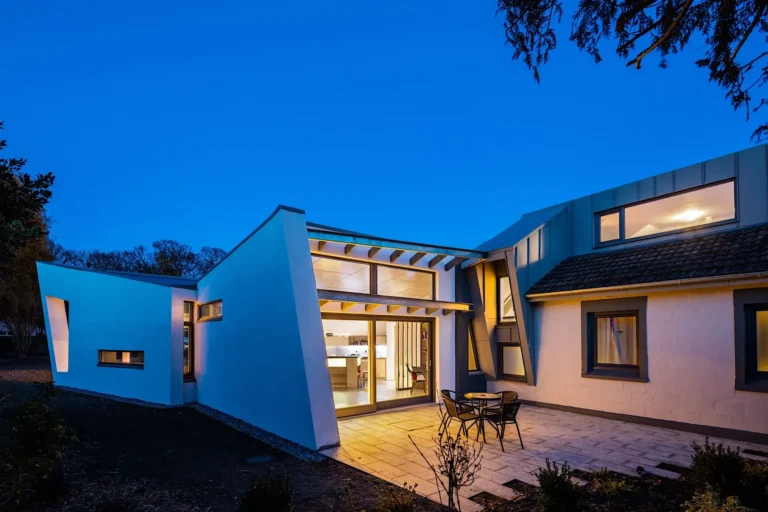
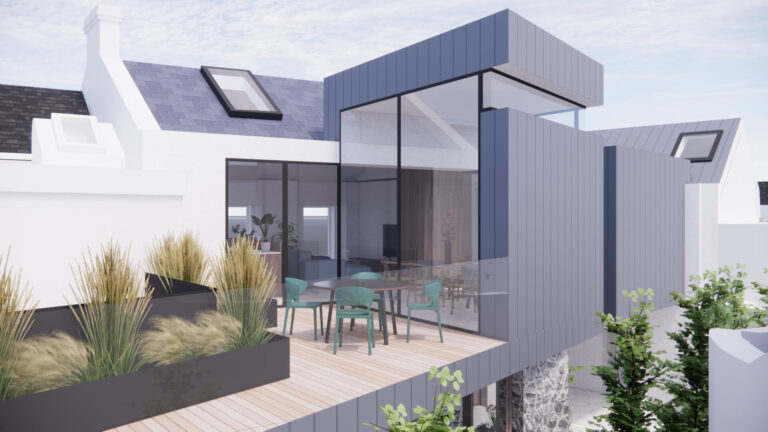
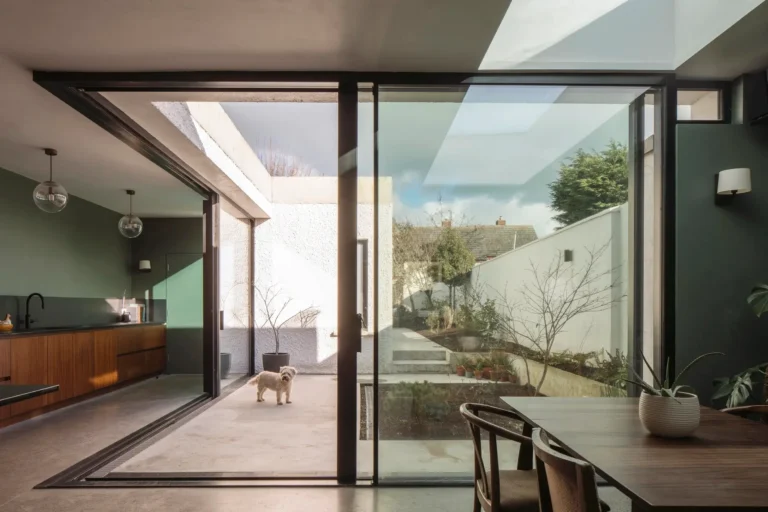
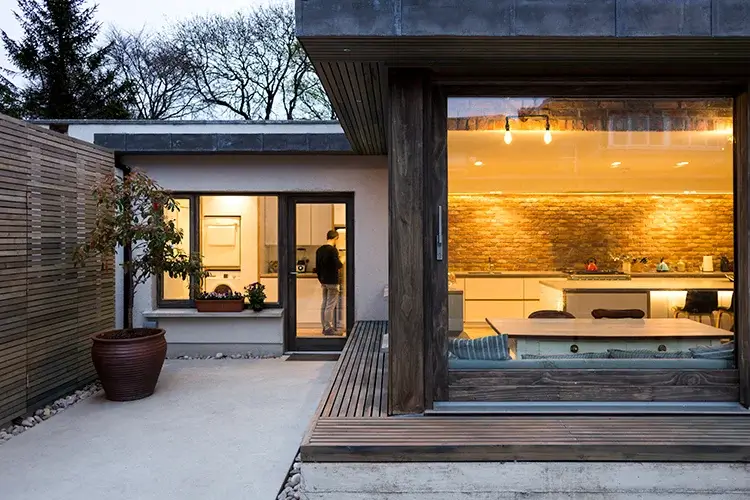
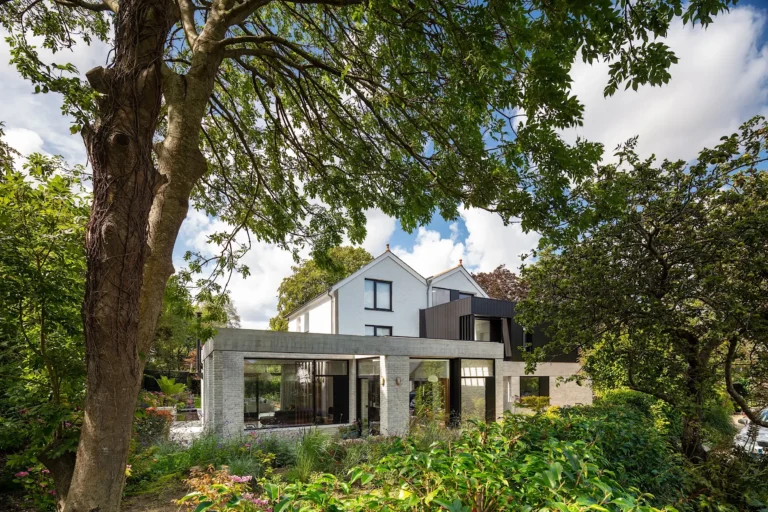
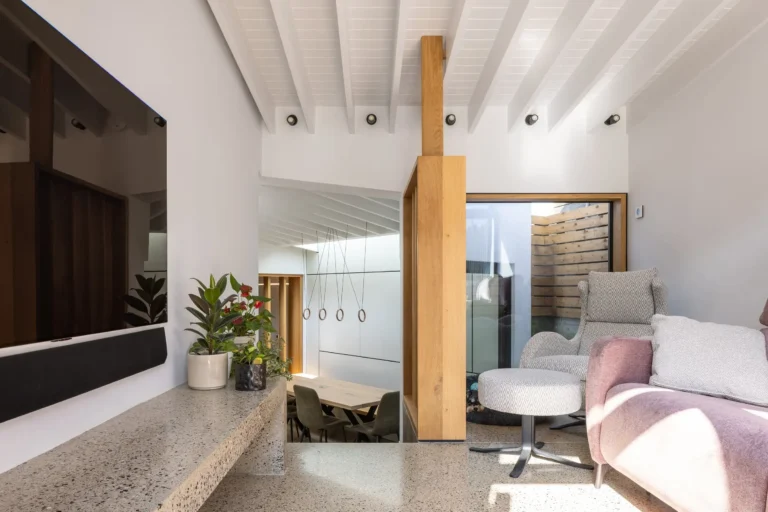
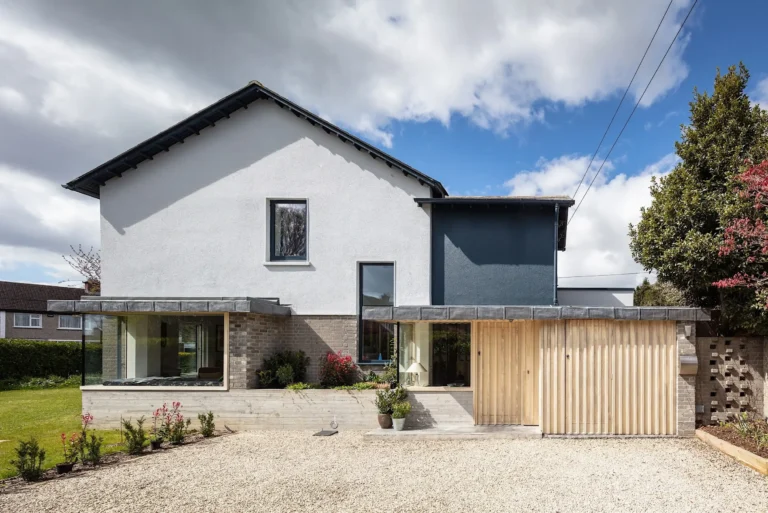
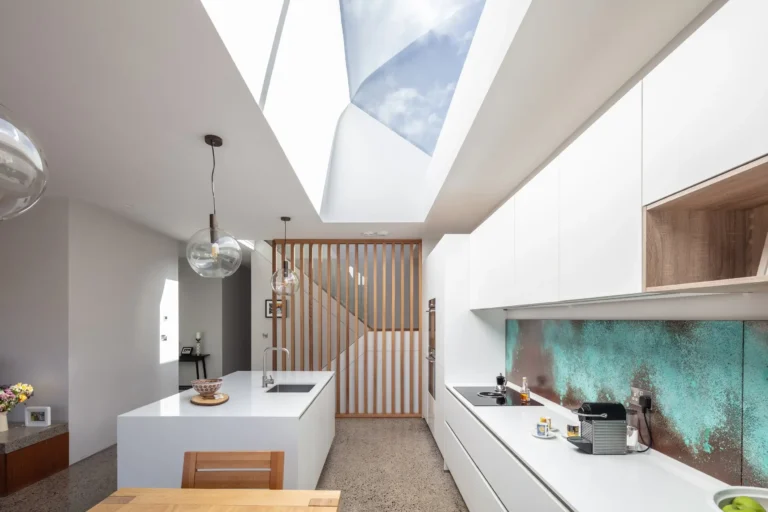
Our work in North Dublin includes residential extensions, refurbishments, retrofit-led interventions, period homes and new-build homes. Some projects are located on tight suburban plots where privacy, daylight and planning sensitivity are central to the design process. Others are shaped by coastal exposure, landscape setting or the opportunities presented by larger gardens and detached houses. In each case, the design response grows from the specific qualities of the place rather than from a standard formula.
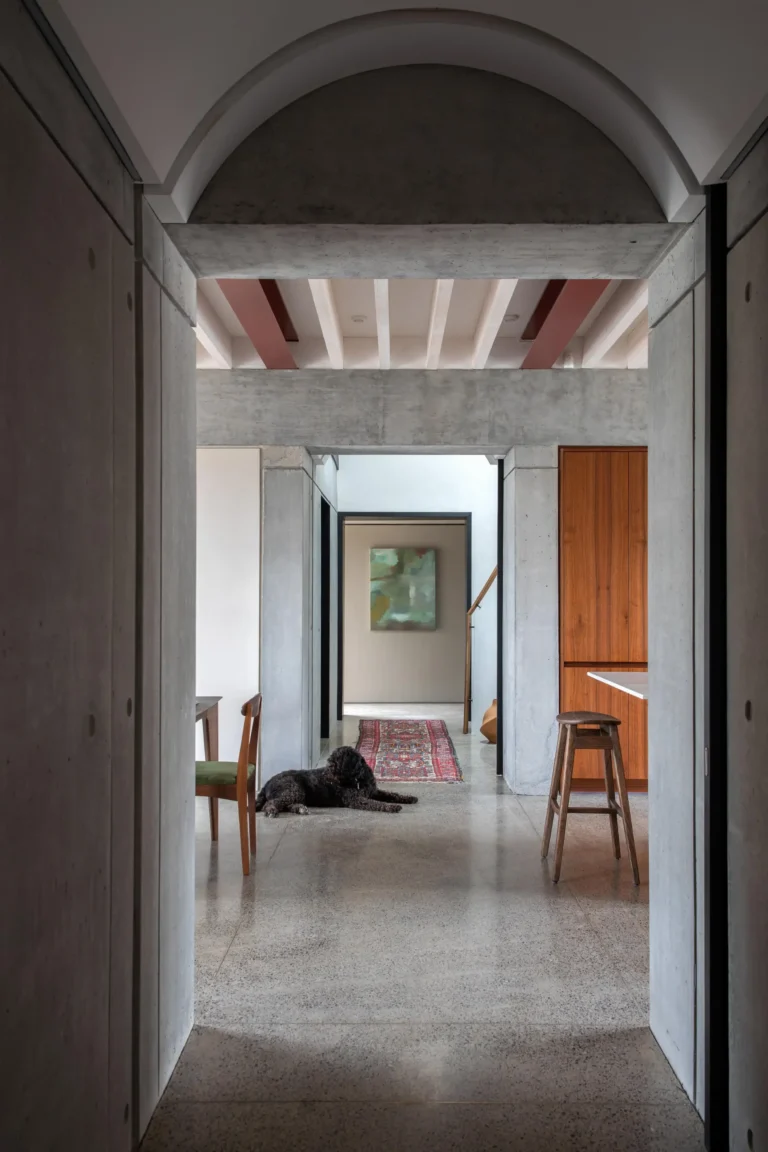
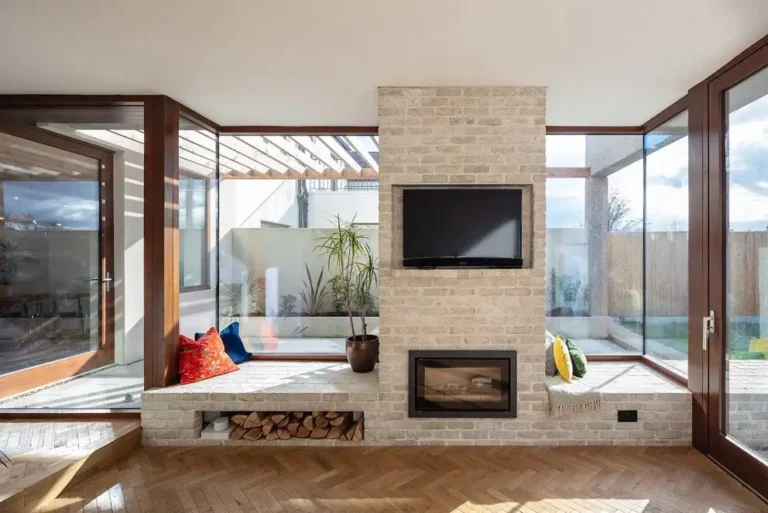
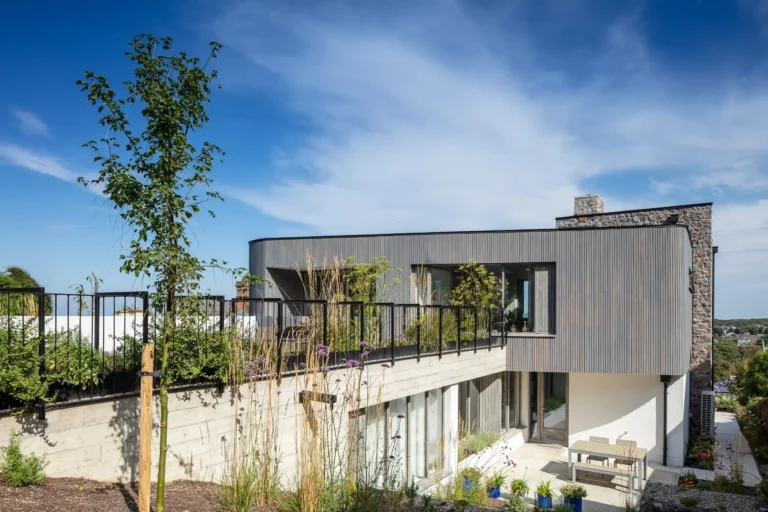
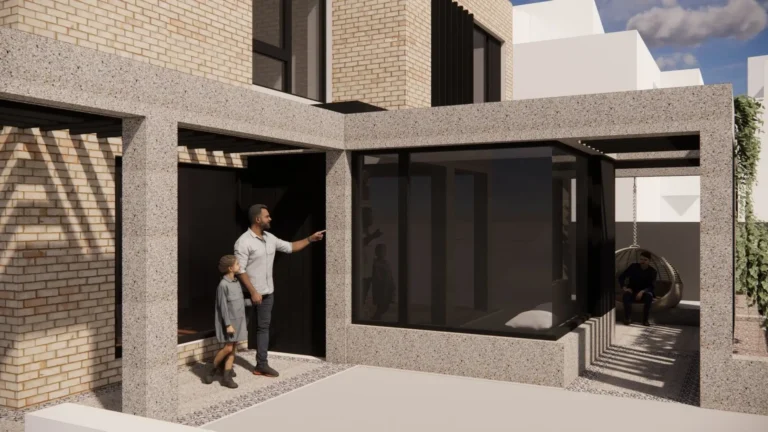
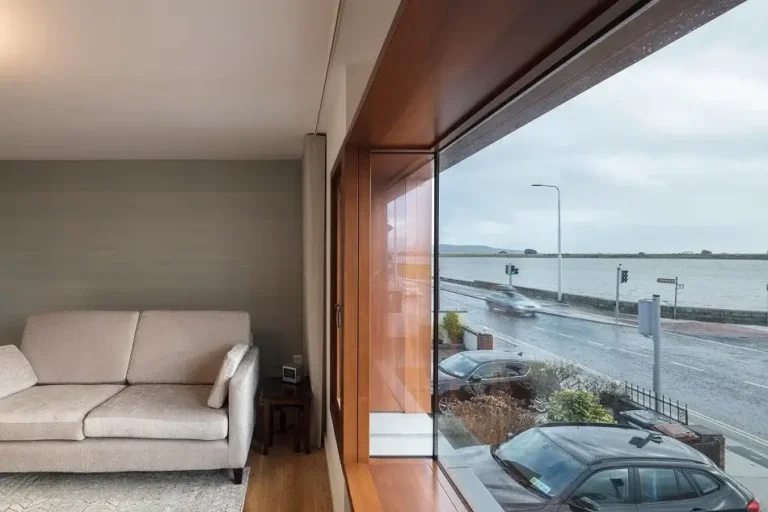
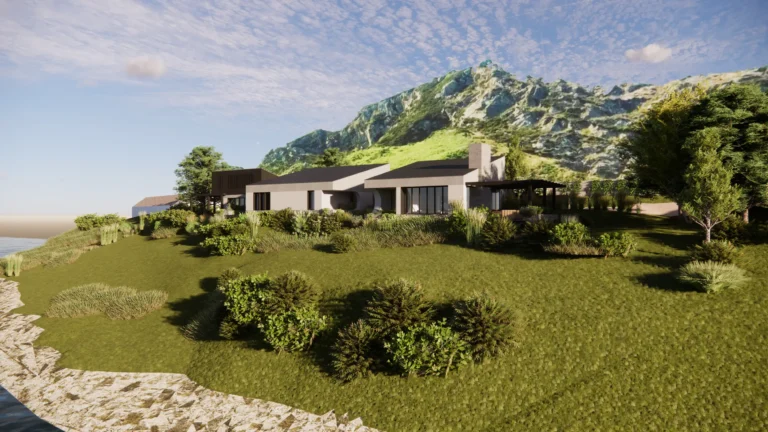
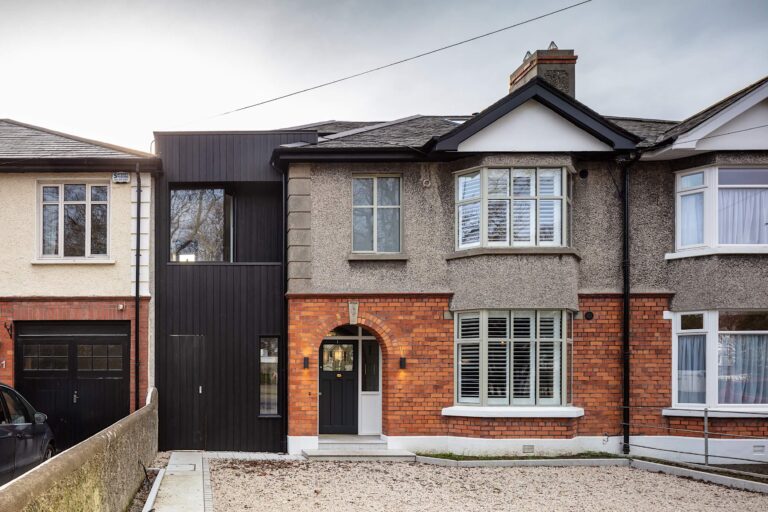
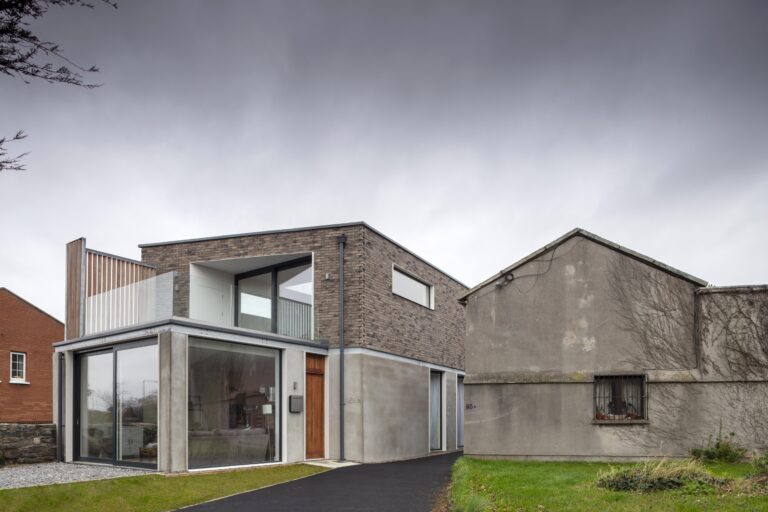
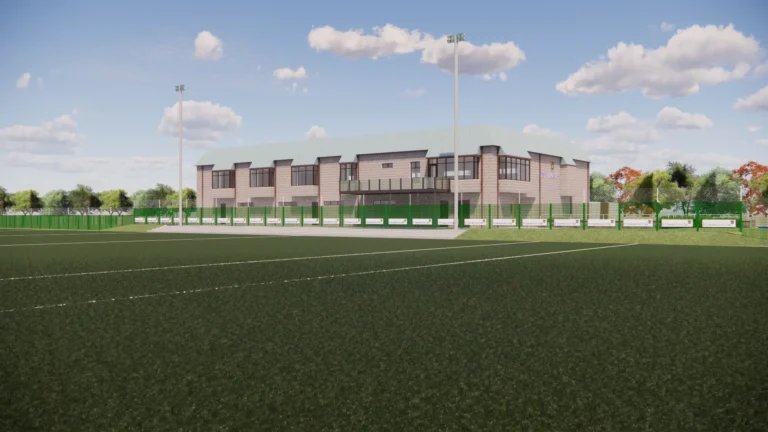
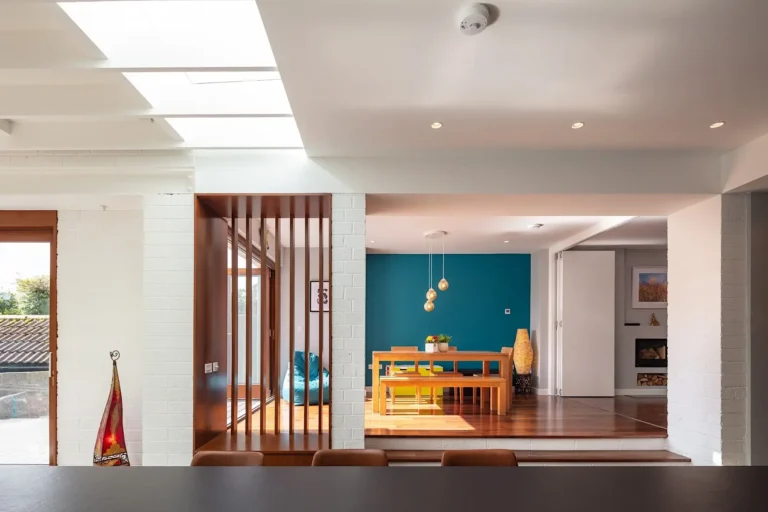
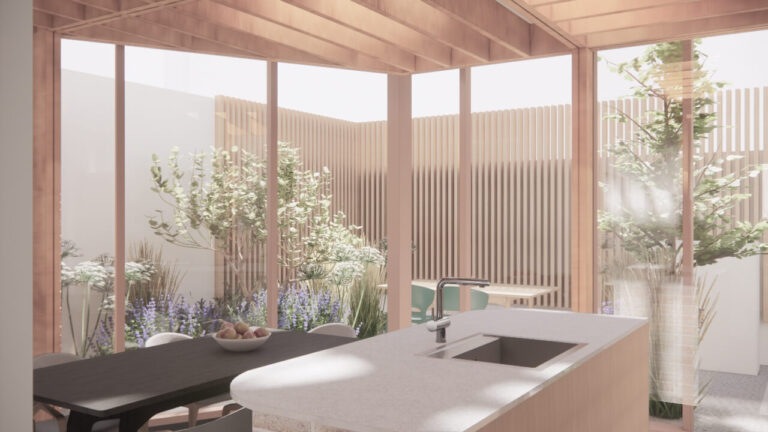
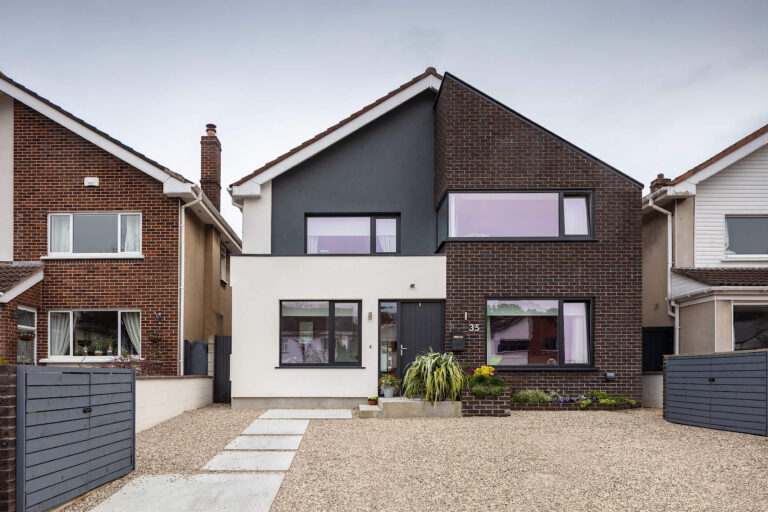
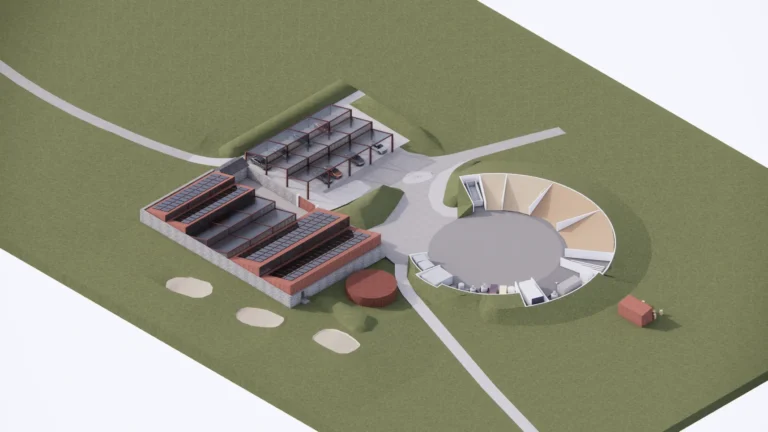
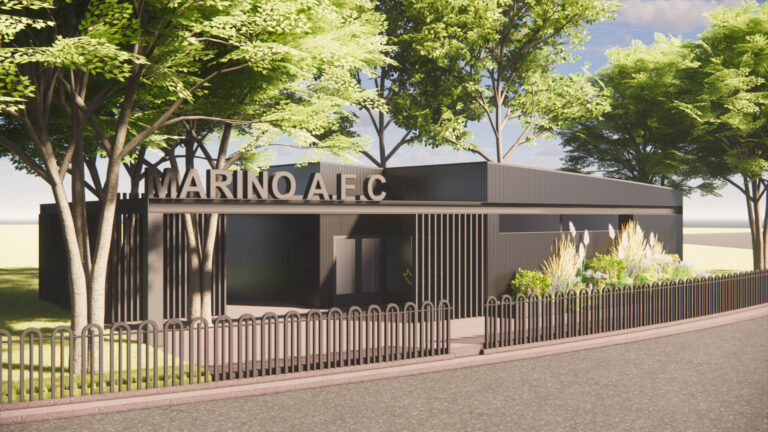
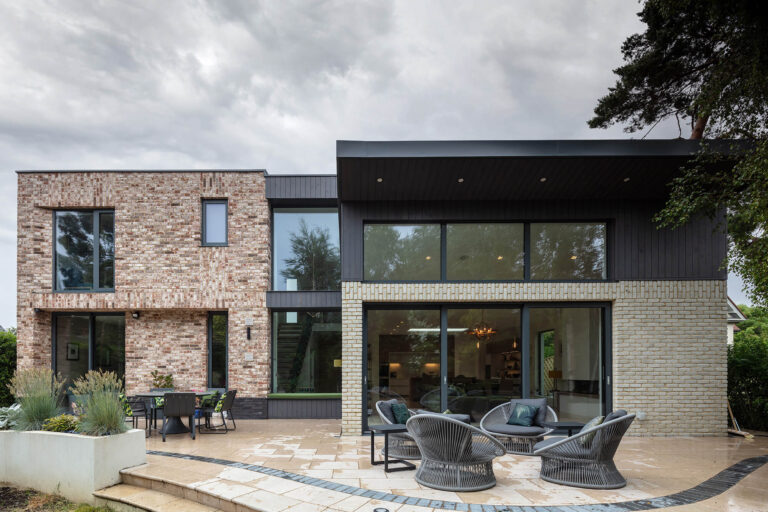
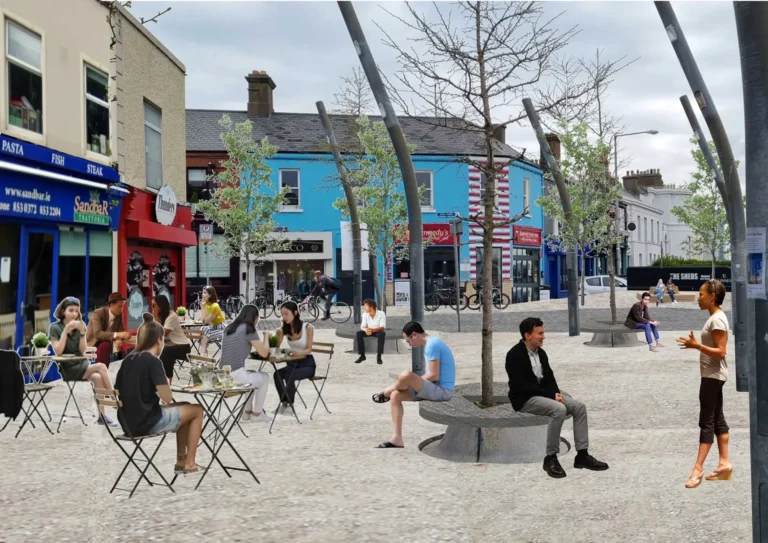
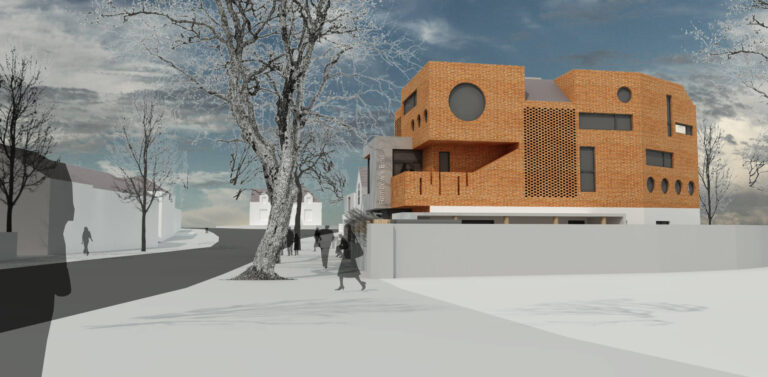
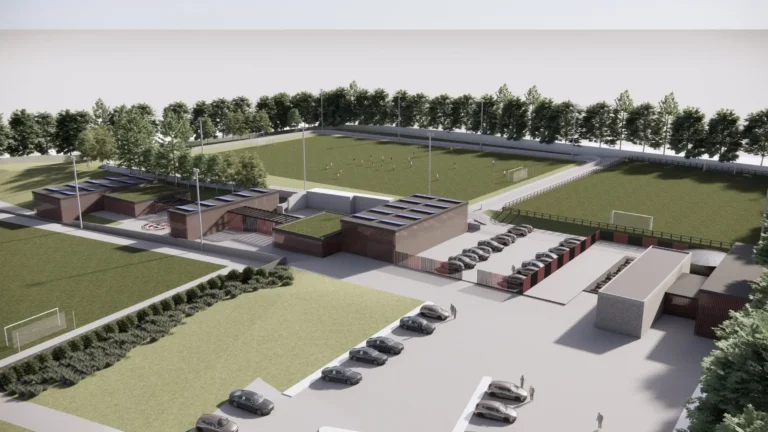
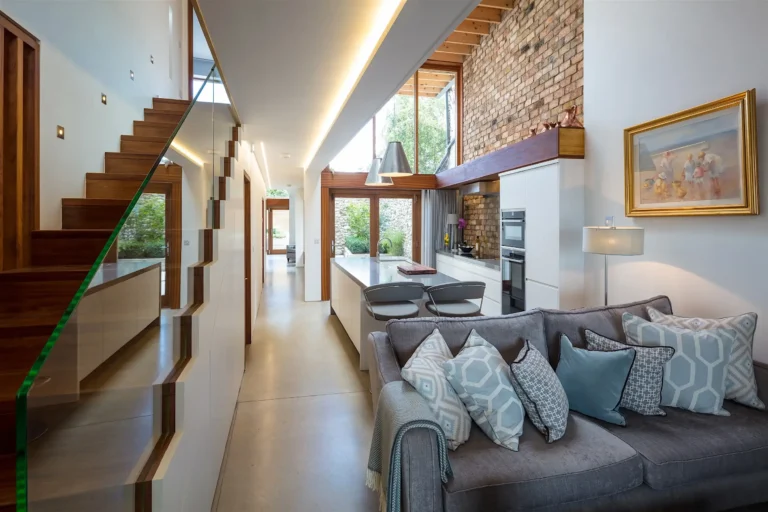
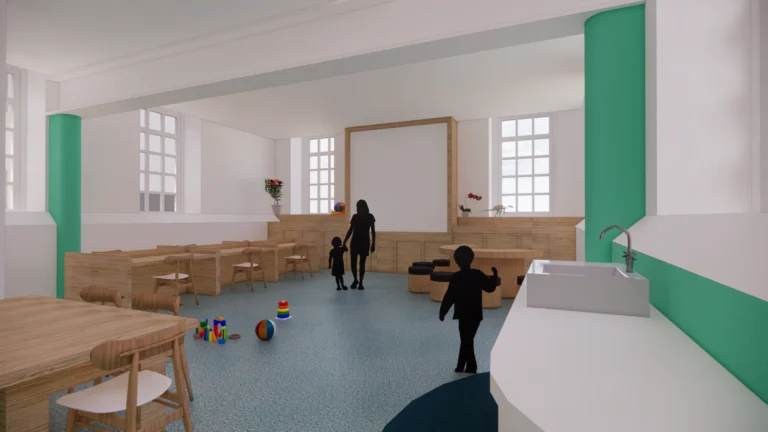
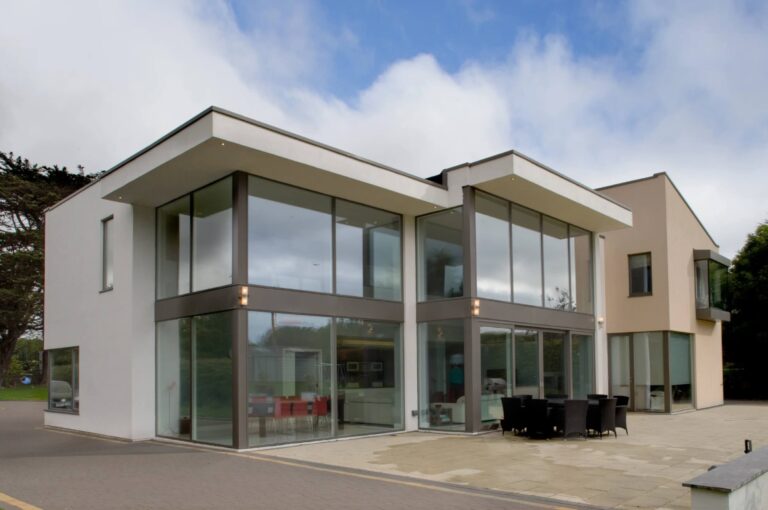
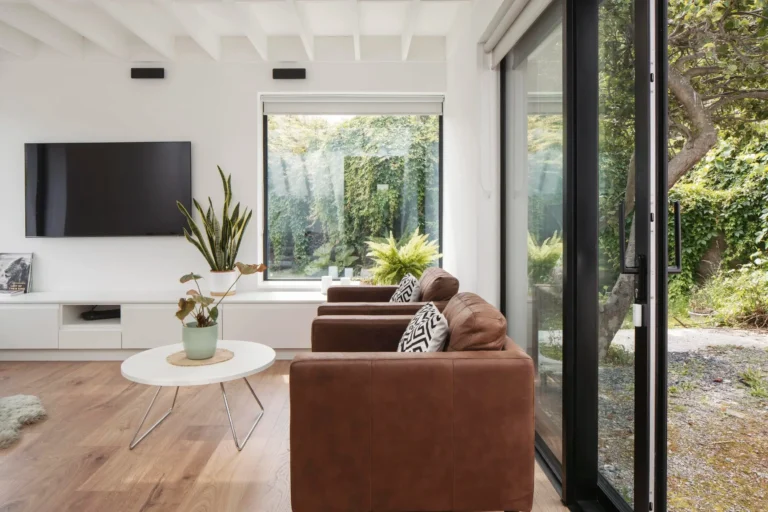
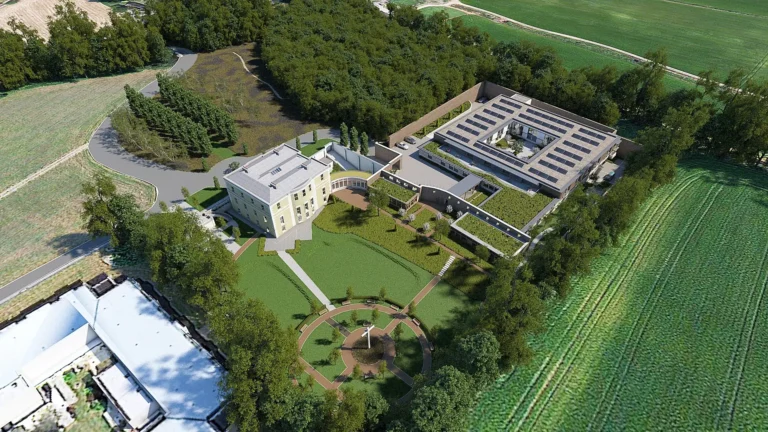
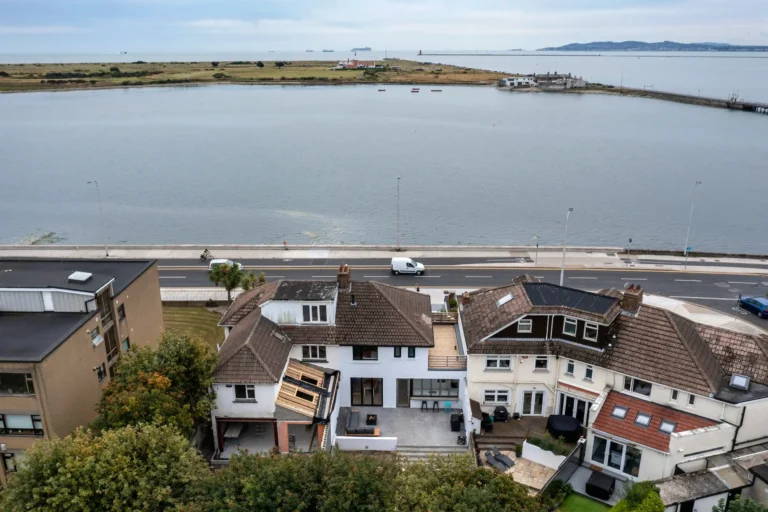
We have delivered a number of projects and homes in North Dublin. Select examples include:


Area Background / History
Architecture in North Dublin
North Dublin is architecturally diverse. Inner suburban areas such as Drumcondra and Glasnevin contain a mix of Victorian terraces, redbrick houses, institutional buildings and mature residential streets. These neighbourhoods often have a strong historic character, with well-established building lines, generous brick proportions and a clear relationship between house, street and rear garden. Architectural work in these areas frequently involves adapting older buildings for contemporary family life while respecting the grain and scale of the existing streetscape.
Further east, areas such as Killester and Clontarf are defined by established suburban housing, tree-lined roads and a mixture of detached, semi-detached and interwar homes. Projects in these settings often involve extending and reconfiguring existing houses to improve light, flow and connection to the garden. In many cases, relatively modest plots demand careful thinking around scale, overlooking, boundary treatment and the relationship between old and new fabric.
Along the northern coastline, places such as Sutton and Malahide introduce a different architectural condition. Here, houses are often shaped by proximity to the sea, wider landscape views, stronger winds and changing topography. Coastal architecture in North Dublin needs to respond not only to orientation and outlook, but also to material durability, shelter and the visual presence of the building within a more open setting.
In locations such as Kinsealy, where development patterns are often looser and more spatially dispersed, architectural projects may sit between suburban and semi-rural conditions. These sites can offer greater freedom in terms of footprint and landscape integration, but they still require careful engagement with access, planning policy, drainage, neighbouring properties and long-term environmental performance.
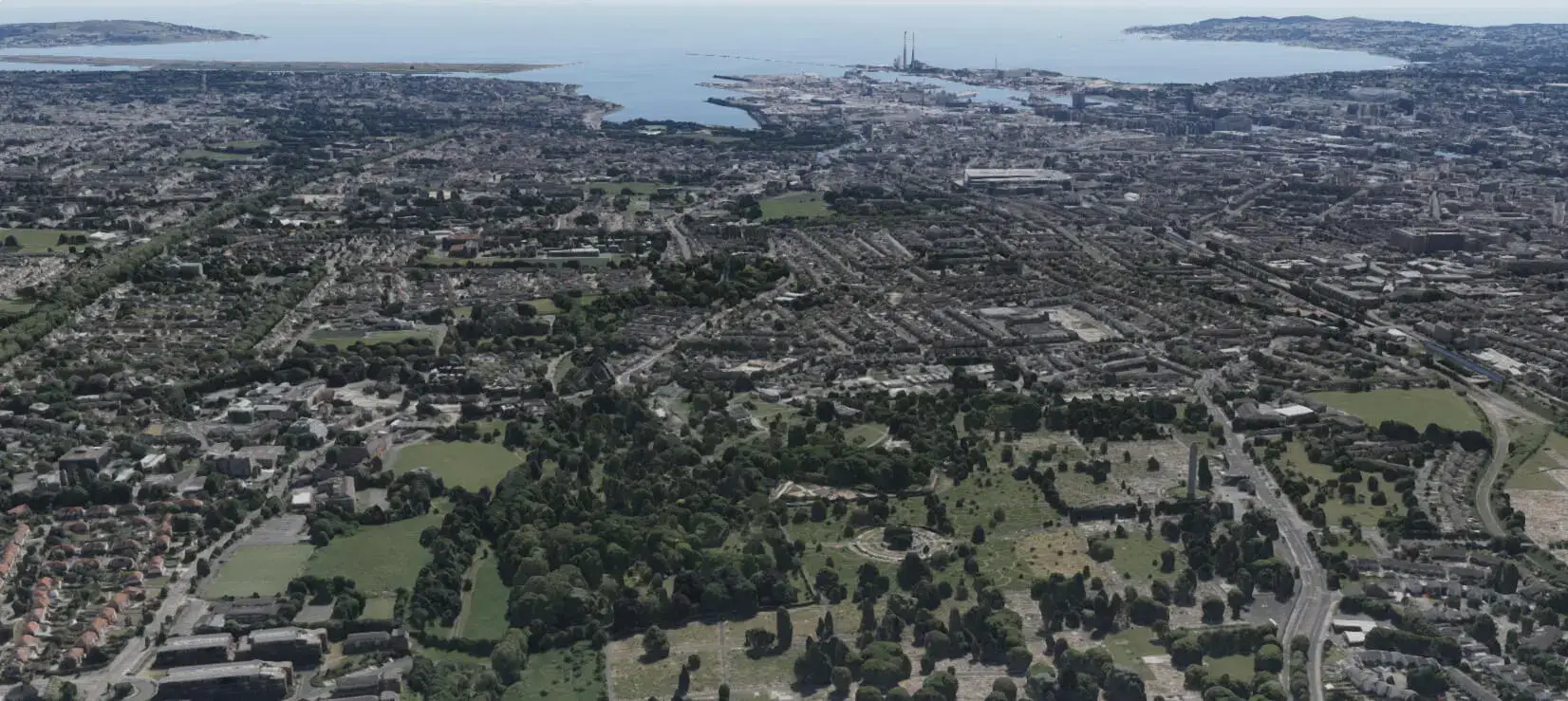
©Microsoft, Bing Maps, and its data providers
Planning & Site Context
Planning a Project in North Dublin
Inner North Dublin Neighbourhoods
Areas such as Drumcondra and Glasnevin often require a sensitive approach to existing building fabric and established residential character. Houses may have historic detailing, mature rear gardens and close relationships to adjoining properties. Extensions and refurbishments in these areas need to balance improved amenity with careful control of massing, daylight impact and visual fit within the street or terrace.

Established Suburban Areas
In places such as Killester and Clontarf, projects are often shaped by the qualities of long-settled suburban streets: generous front gardens, side access, mature planting and a relatively consistent built form. Architectural interventions here can greatly improve daily living, but they work best when they remain attentive to scale, boundary conditions and the rhythm of the surrounding homes.
Coastal Locations
Sutton and Malahide bring particular environmental and visual conditions. Coastal sites may benefit from views and daylight, but they can also be more exposed to wind, salt air and weathering. Design decisions around openings, external materials, roof form and outdoor space need to support long-term comfort as well as visual clarity. In these settings, architecture often works best when it balances openness to the landscape with a sense of shelter and domestic calm.
Edge Conditions and Larger Plots
Kinsealy and similar North Dublin locations can involve sites with a looser suburban grain or a more transitional landscape character. These projects may offer opportunities for stronger integration between house and garden, but they also require careful planning in relation to access, drainage, site boundaries and the cumulative impact of development on a changing local context.
Environmental Performance
Environmental performance is a central consideration in contemporary architecture across North Dublin. Whether working with a period redbrick house in Drumcondra, a suburban home in Killester or a coastal dwelling in Sutton, the principles remain consistent: improve orientation where possible, maximise useful daylight, reduce heat loss, support natural ventilation and use durable materials that will age well over time.

For existing buildings, retrofit and careful fabric upgrading can significantly improve comfort and energy performance without losing the qualities that make the original building valuable. For new-build projects, early thinking around siting, envelope design and passive environmental strategy helps establish a more sustainable foundation from the outset.

Our Approach to Architecture in North Dublin
Our approach to architecture in North Dublin begins with context. Every area has its own spatial logic, material character and planning sensitivity, and we believe good design starts by understanding those conditions properly. A house in Drumcondra should not be approached in the same way as a house in Sutton, just as a project in Kinsealy requires different thinking from one in Clontarf or Glasnevin.
As architects working across North Dublin, we guide clients through the full process from initial feasibility and planning strategy to developed design and construction. We look closely at how a building sits on its site, how natural light moves through it, how spaces connect and how architecture can support everyday life in a clear and lasting way.
We are particularly interested in projects where careful design can unlock the potential of an existing house or site — whether through extension, refurbishment, retrofit or new construction. The aim is not simply to add area, but to create places that feel coherent, generous and well resolved.
If you are planning a residential project in North Dublin, whether in Drumcondra, Glasnevin, Killester, Clontarf, Malahide, Kinsealy, Sutton or elsewhere on the north side of the city and county, we would welcome the opportunity to discuss it.