House Extensions

Brennan Furlong Architects — House Extension Projects

include awards schema aggregate totals

Across Dublin and the surrounding counties, many homeowners choose to extend their houses rather than relocate. Extending an existing home allows families to remain within established neighbourhoods while adapting their houses to contemporary patterns of living. In areas such as Clontarf, Killester, Glasnevin and Sutton, much of the housing stock dates from the mid-twentieth century and is well suited to carefully designed extensions that introduce new living spaces while retaining the character of the original dwelling.

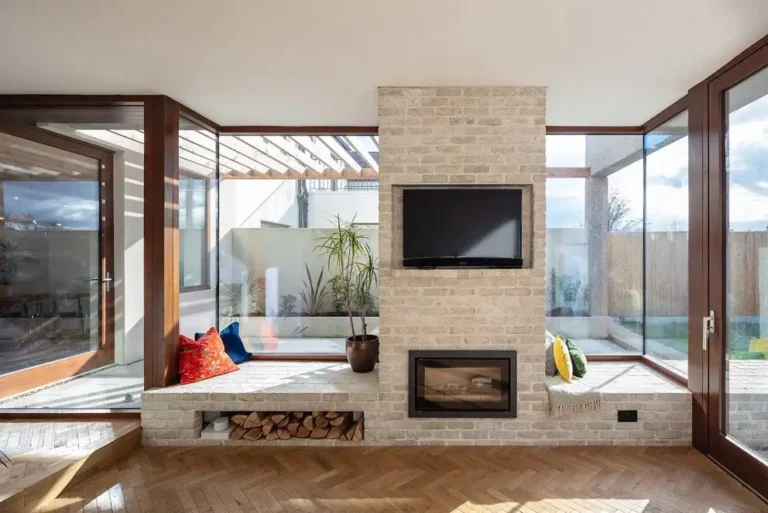
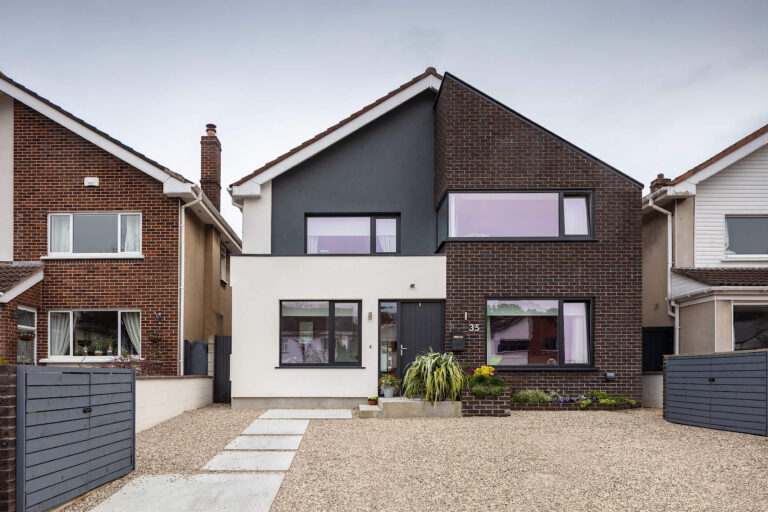
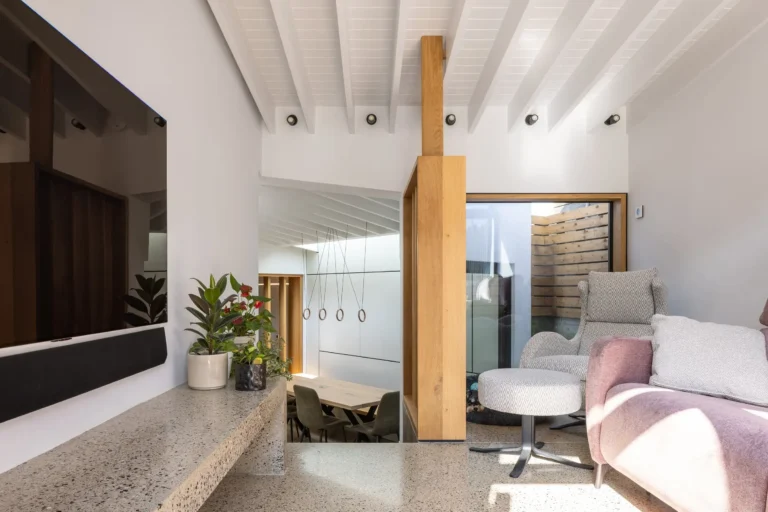
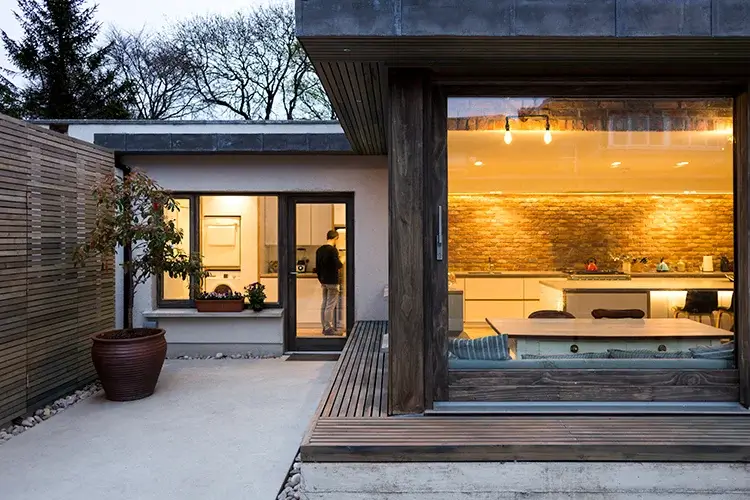
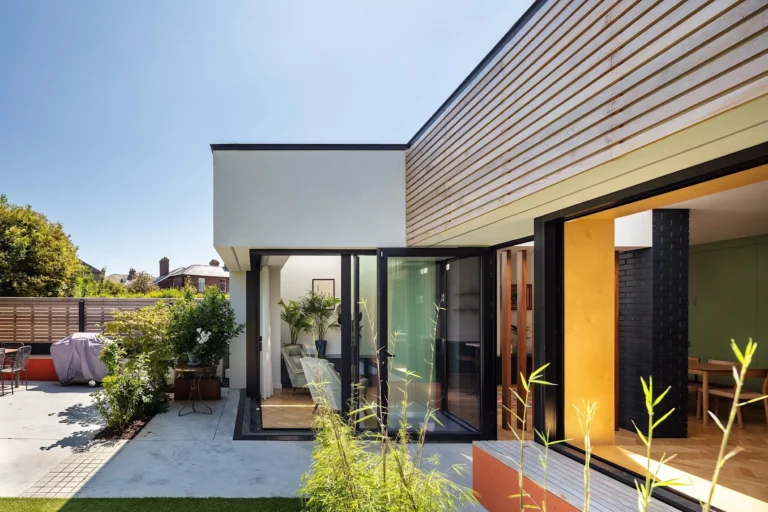
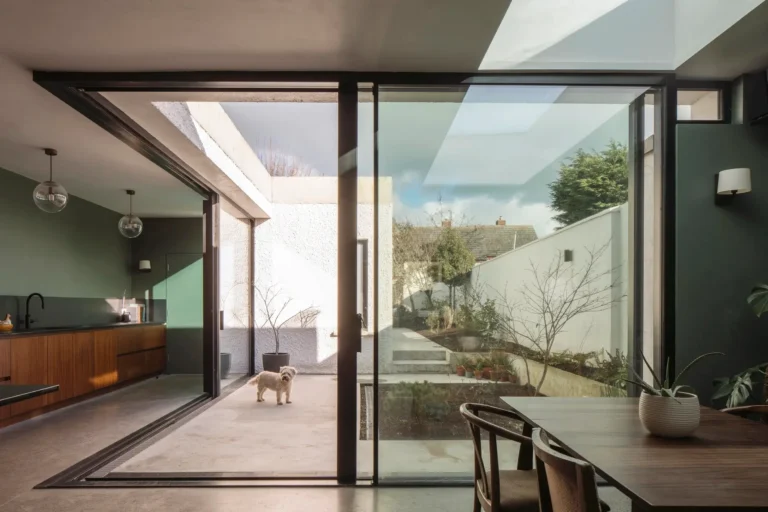
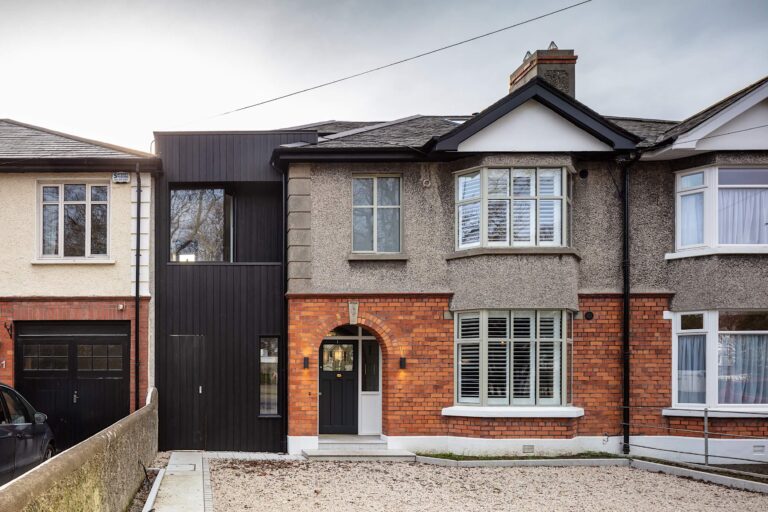
As house extension architects in Dublin, Brennan Furlong Architects have delivered a range of residential extension projects across the city and surrounding areas. The award-winning Stiles Road project in Clontarf involved the renovation and extension of a semi-detached house to create a flexible family home while strengthening the relationship between the main living spaces and the west-facing garden. At Placencia in Killester, the extension follows the contours of the site, forming a series of descending terraces that connect the house with the landscape beyond.

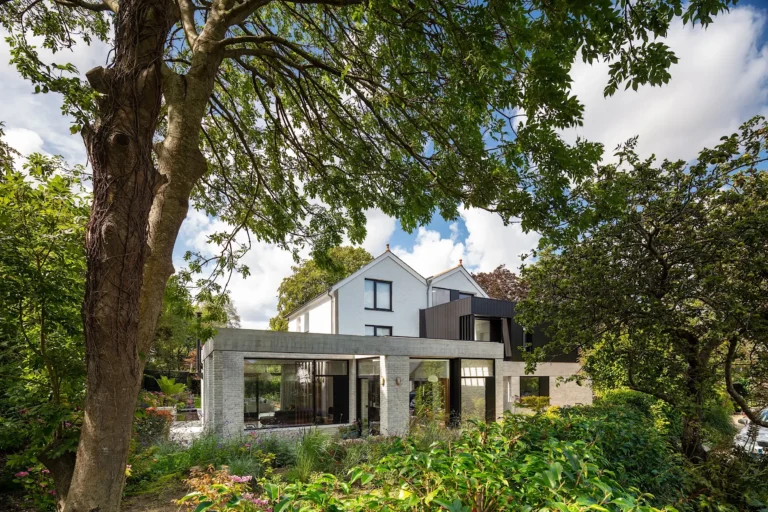
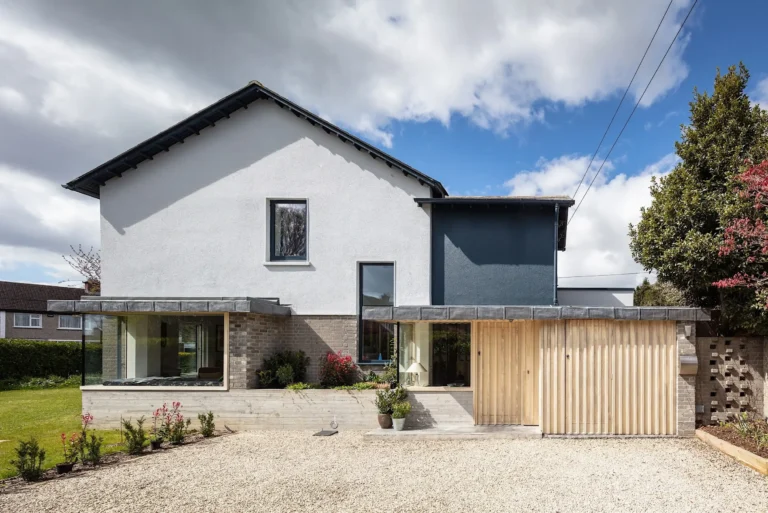
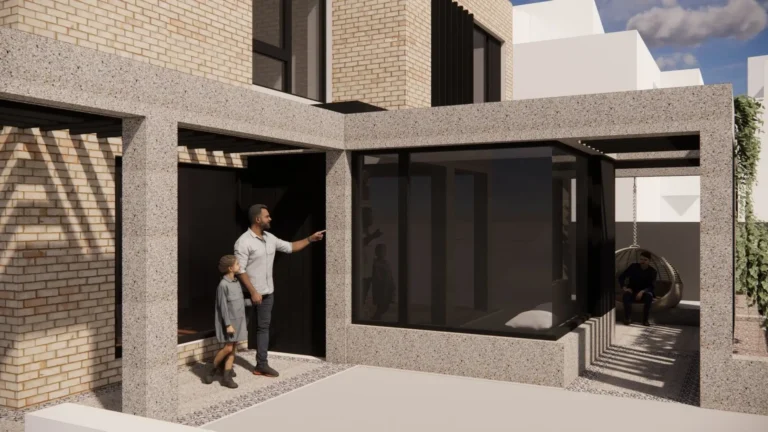
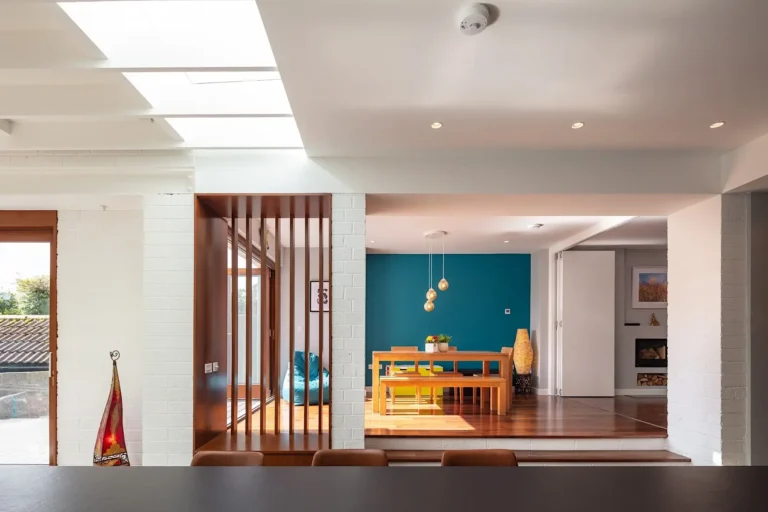
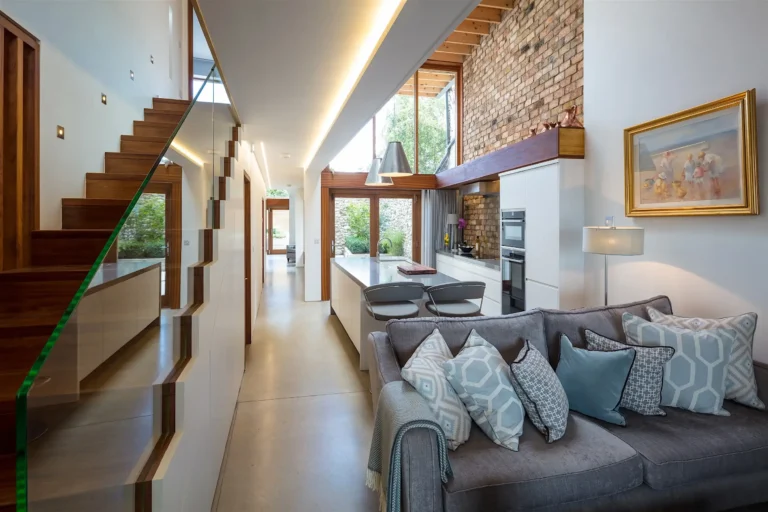
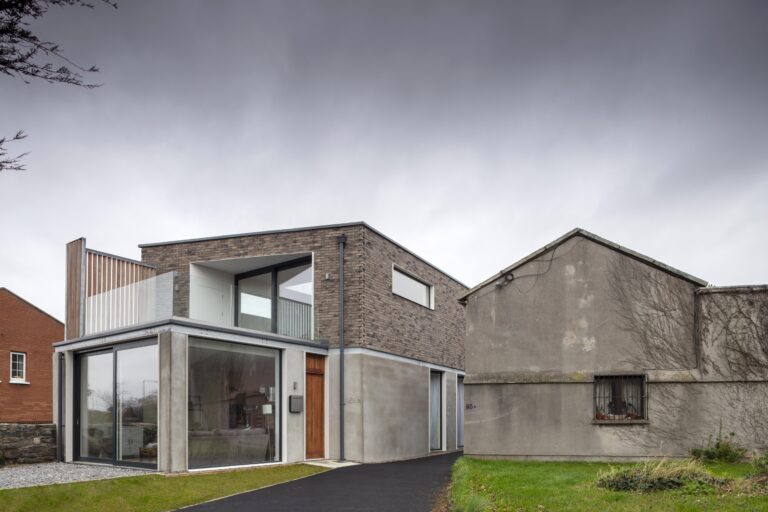
Other projects explore different responses to site conditions. At Serpentine in Sandymount, a sequence of brick piers guides movement through newly organised family spaces towards the garden, while at Lerrig Lodge in Malahide a series of concrete ring beams frame new living accommodation and connect the existing house to its mature garden setting. Across each project, the aim is to introduce new spaces that feel naturally integrated with the original house.

Our extension work also extends beyond Dublin into counties such as Wicklow and Meath where houses often occupy larger sites and extensions can engage more directly with surrounding landscape.

We have delivered a number of house extension projects in Dublin, and beyond. Select examples include:

House by the Sea

Re-organisation and refurbishment, Dublin Bay

Stiles Road

Renovation & extension, Clontarf, Dublin 3

Whitworth Road

Period home renovation & extension, Coolock, Dublin 13

Seafield

Renovation & Extension, Clontarf, Dublin 3

St. Peter’s Terrace

Restoration & extension of period cottage, Howth

Placencia

Renovation & extension, Killester, Dublin 5

Strand Road

Period home refurbishment & extension, Sutton – Dublin 13

Serpentine

Renovation & extension, Sandymount, Dublin 4

Sutton Strand

Alterations & Extension, Sutton, Dublin 13

House For A Sea Swimmer

Re-working of coastal semi-D, Clontarf, Dublin 3

Ashleigh Lawn

Home renovation & extension, Malahide

Origami House

Renovation & extension, Howth, Co. Dublin

Lerrig Lodge

Period home renovation & extension – Malahide, Co. Dublin

Northland Grove

Renovation & extension, Glasnevin – Dublin 11

Area Background / History

House Extension Architecture

House extensions form a significant part of residential architecture across Dublin and Ireland. Rather than replacing existing homes, extensions allow houses to evolve in response to changing family needs while retaining the character of established neighbourhoods.

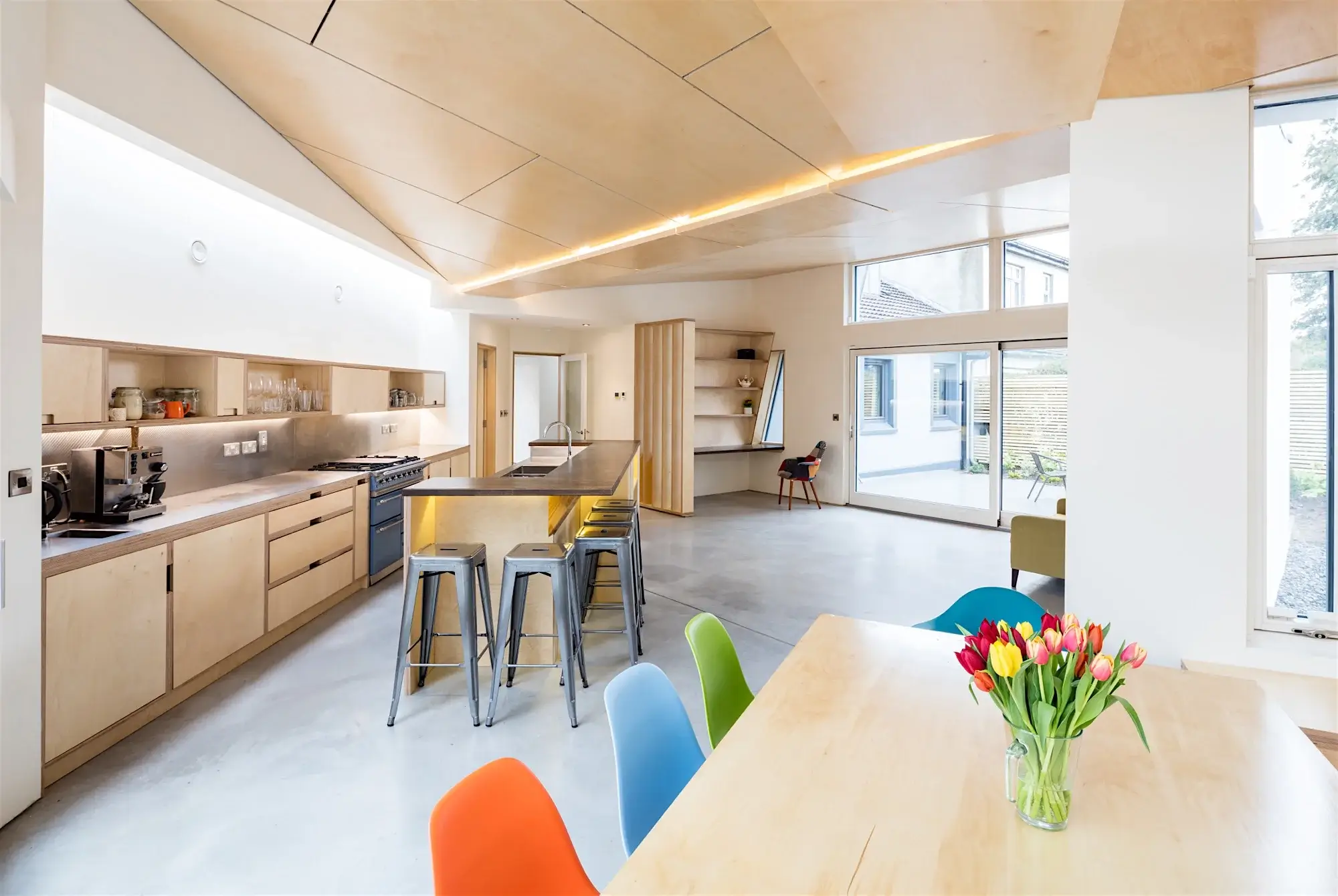
In suburban areas of Dublin, many houses were built during the mid-twentieth century and feature relatively compact internal layouts. These houses often contain separate living rooms and kitchens that no longer reflect contemporary ways of living. Extensions therefore frequently focus on introducing larger, more open family spaces that connect directly to the garden.

Rear extensions are particularly common in areas such as Clontarf, Glasnevin and Killester where houses are set within generous garden plots. Carefully designed extensions can introduce natural light, improve circulation and create a stronger relationship between interior spaces and outdoor areas. Materials and proportions must be carefully considered so that the new structure complements the existing house while remaining legible as a contemporary intervention.

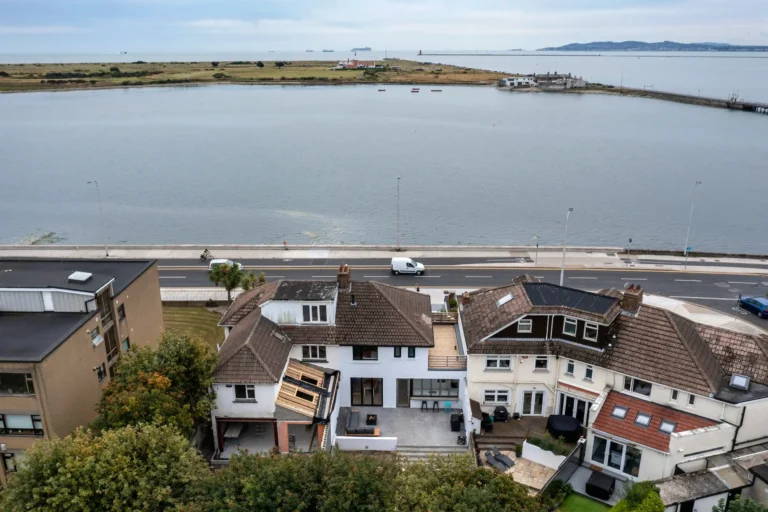
In coastal areas such as Sutton and Howth, house extensions often respond to views and landscape. Extensions may reorient living spaces towards Dublin Bay while providing sheltered outdoor areas that allow the house to function comfortably in changing weather conditions.

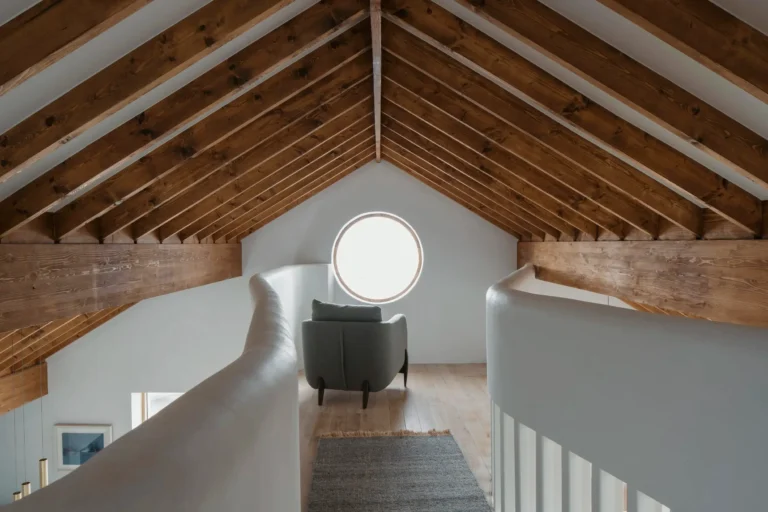
In rural locations across Wicklow and Meath, extensions sometimes involve connecting older houses with new volumes that respond to landscape and topography. These projects allow existing buildings to remain central to the life of the house while introducing contemporary living spaces that enhance light, orientation and environmental performance.

For house extension architects working across Dublin and Ireland, the challenge lies in creating additions that feel both natural and transformative. Successful extensions improve how the house functions without diminishing the qualities that made the original building appealing.
Planning & Site Context

Planning a House Extension in Dublin and Ireland

House extensions in Dublin are governed by planning policies as set out by your area’s local authority (Dublin City Council, Dún Laoghaire-Rathdown County Council, Fingal County Council, or South Dublin County Council). While smaller extensions may fall within exempted development provisions, larger extensions or those that significantly alter the external appearance of a house typically require planning permission.

Pre-planning consultation with the local authority can often help clarify the potential scope of an extension before detailed design work begins. Issues such as site coverage, overlooking, daylight access and the relationship between the extension and neighbouring houses are typically considered during the planning process.

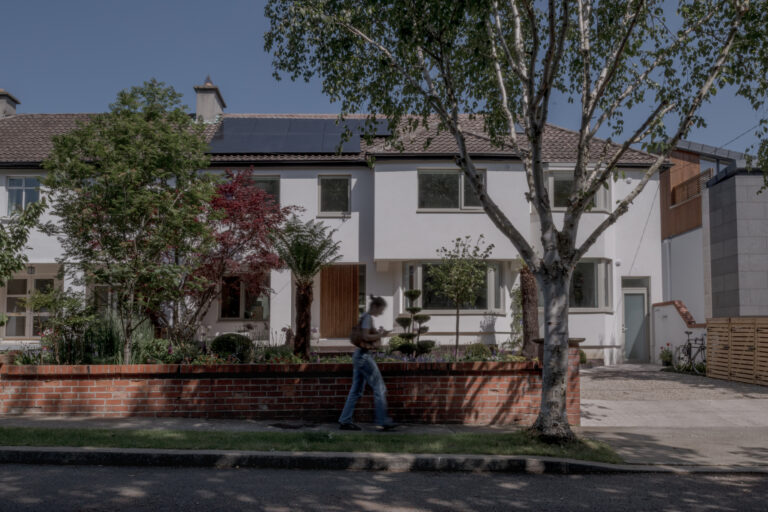
Rear extensions are the most common form of house extension in Dublin. Located behind the original building line, these additions allow new living spaces to open directly onto the garden while preserving the character of the street frontage. The scale, roof form and materials of the extension must be carefully balanced with the proportions of the existing house.

Where houses are semi-detached or detached, side extensions may offer additional opportunities to expand internal space. These interventions must carefully consider the relationship with neighbouring houses and the overall rhythm of the street.

Many extensions involve older houses including Victorian or Edwardian dwellings. In these cases, new additions are typically located to the rear of the property where contemporary architecture can be introduced without disrupting the historic character of the street. Sensitive design ensures that the extension complements the existing building while clearly expressing its contemporary nature.

House extensions also present an opportunity to improve the environmental performance of the existing building. Upgrading insulation levels, improving glazing and incorporating passive design principles can significantly enhance thermal comfort and energy efficiency. In many cases, extension projects also include elements of retrofit that upgrade the overall performance of the house.


In many Dublin neighbourhoods, houses occupy relatively narrow plots with neighbouring buildings located close by. Extensions must therefore carefully address issues of overlooking, daylight access and the relationship between interior spaces and outdoor areas. Thoughtful architectural planning allows extensions to improve the quality of space without negatively impacting neighbouring properties.

Our approach to house extensions begins with understanding the existing building and how it is used. Every house contains spatial qualities and patterns of movement that inform how it might evolve through extension.

As house extension architects in Dublin, we work closely with clients to identify opportunities to introduce new spaces that improve light, circulation and connection to the garden. Through careful design development, we ensure that the extension feels integrated with the existing building rather than appearing as an afterthought.

We guide projects through the full architectural process, from early feasibility and planning strategy through detailed design and construction. Particular attention is given to material quality, environmental performance and the long-term adaptability of the house.

Whether extending a suburban family home in Dublin, adapting a coastal dwelling along Dublin Bay or expanding a rural house in Wicklow or Meath, our aim is to create architecture that enhances everyday living while respecting the character of the original building.