
Brennan Furlong Architects — New Build Projects
Filter by Project Area
Filter by Project Type
include awards schema aggregate totals
Selected New Build Projects
Selected New Build Projects
Designing a new house offers a rare opportunity to shape a home entirely around its setting, orientation and the lives of the people who will inhabit it. Across Dublin and the surrounding counties, new-build projects are often located on infill plots within established suburbs, coastal sites overlooking Dublin Bay, or rural landscapes where the house must sit carefully within its environment. Each context requires a different architectural response.
As new build architects in Dublin, Brennan Furlong Architects have delivered contemporary homes across areas including Howth, Clontarf and Malahide, while also working on rural houses in counties such as Wicklow. Projects such as Glentora in Howth — a new dwelling built on the site of a former tram cottage — demonstrate how new architecture can reference the memory of a site while introducing contemporary forms and materials. Our Dawn View project on the Howth peninsula explores how a new house can be designed to sit lightly within an ecologically sensitive coastal landscape. In Wicklow, the Grangecon House responds to open countryside and expansive views across the plains of Leinster. Each project reflects a careful balance between architectural ambition, planning constraints and environmental responsibility.
We have delivered a number of new build projects/homes in Dublin, and beyond. Select examples include:
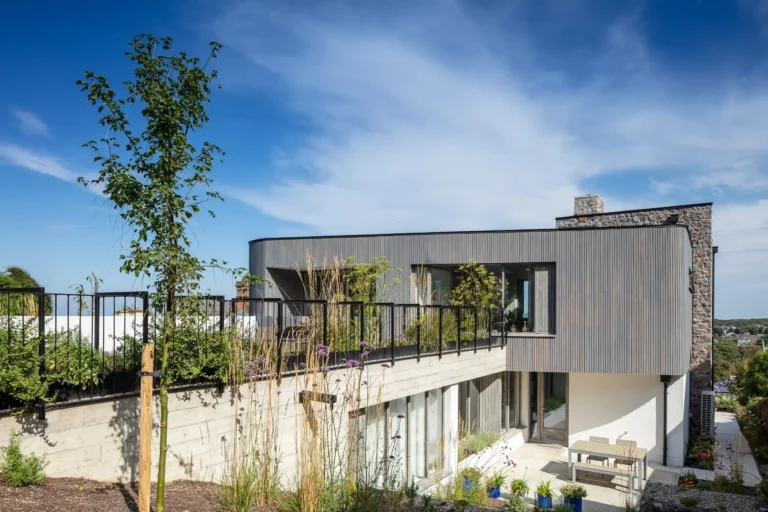
Glentora
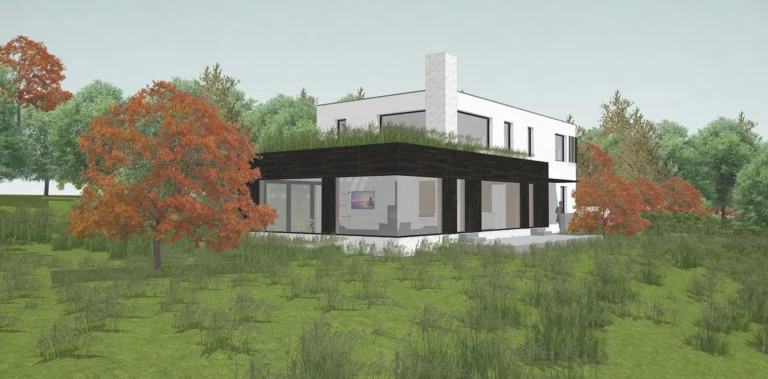
House in the Wicklow Hills
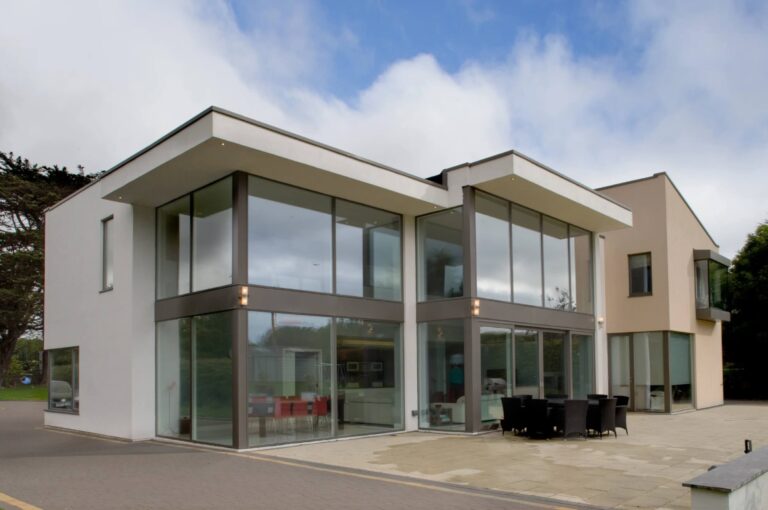
Blackwood Lane
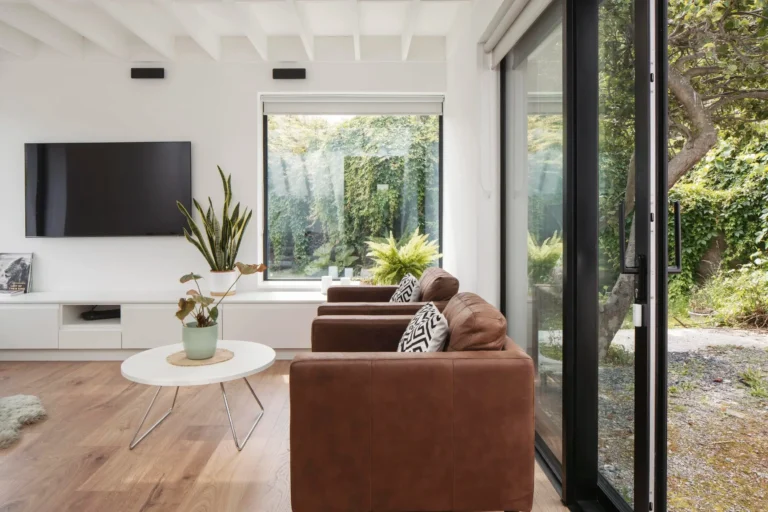
Moat Lane
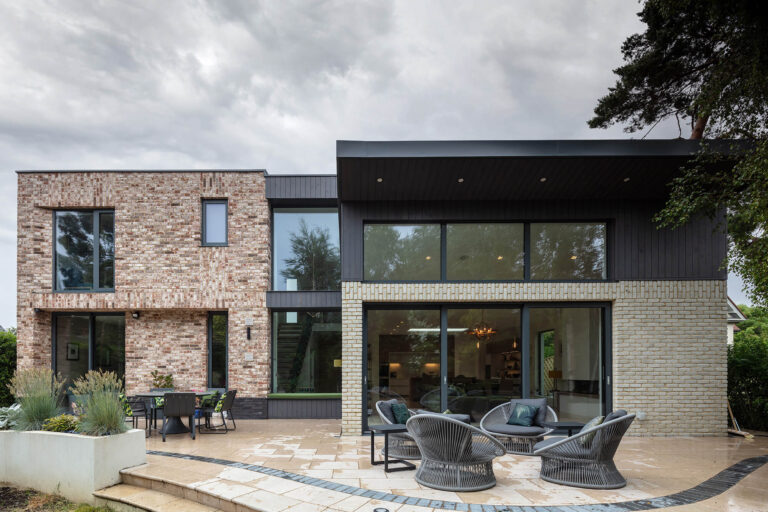
Yew Lodge
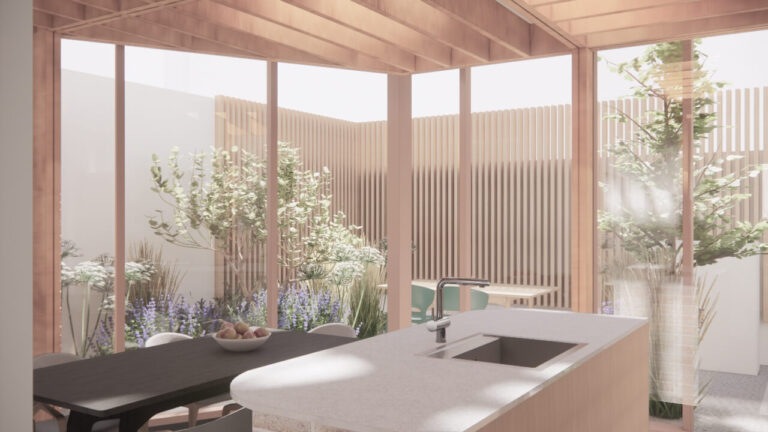
Windsor Avenue
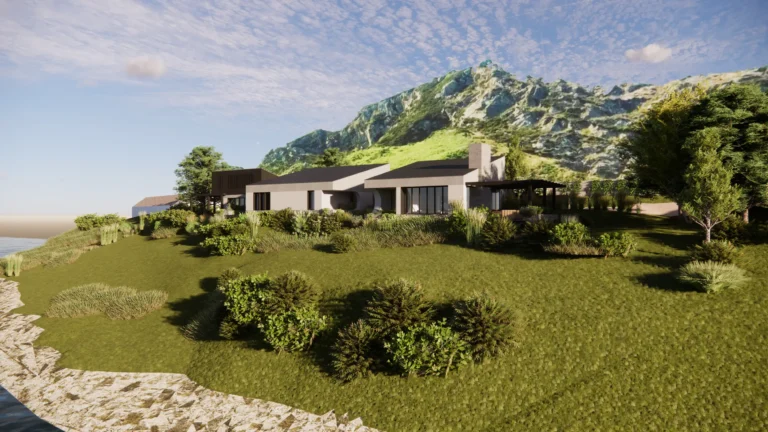
Dawn View
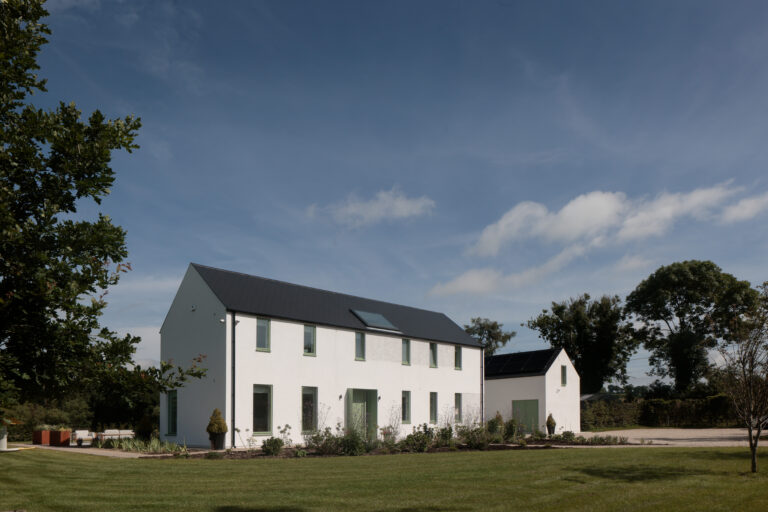
Grangecon



























Area Background / History
New Build Architecture in Dublin
The character of new residential architecture in Dublin is shaped largely by the city’s existing urban fabric. Many new houses are constructed on infill plots within established neighbourhoods where the surrounding buildings establish a clear scale and rhythm. In areas such as Clontarf or Killester, narrow plots and established garden boundaries influence the form and orientation of new dwellings.
In coastal locations including Howth and Sutton, the relationship between house and landscape becomes more prominent. Views across Dublin Bay, exposure to prevailing winds and the changing light of the coastline all inform the design approach. Houses in these areas often use carefully framed openings, sheltered external spaces and durable materials suited to maritime conditions.
New build projects also increasingly occur on sites where existing structures have become obsolete or derelict. Replacing an outdated dwelling with a carefully designed new home can significantly improve environmental performance while allowing the architecture to respond more precisely to its setting. Projects such as Dawn View illustrate how new dwellings can be composed as a series of volumes that follow the contours of a site rather than imposing a singular object within the landscape.
Beyond Dublin, counties such as Wicklow and Meath offer a different context for new residential architecture. Rural sites often allow houses to be positioned more freely within the landscape, responding to topography, existing vegetation and long views. Contemporary rural homes must balance visual integration with the countryside while maintaining strong environmental performance and durability.
For architects working on new houses in Dublin and Ireland, the opportunity lies in designing buildings that feel rooted in their surroundings. Proportion, material selection and the organisation of space must all respond to the conditions of the site rather than following predetermined forms.
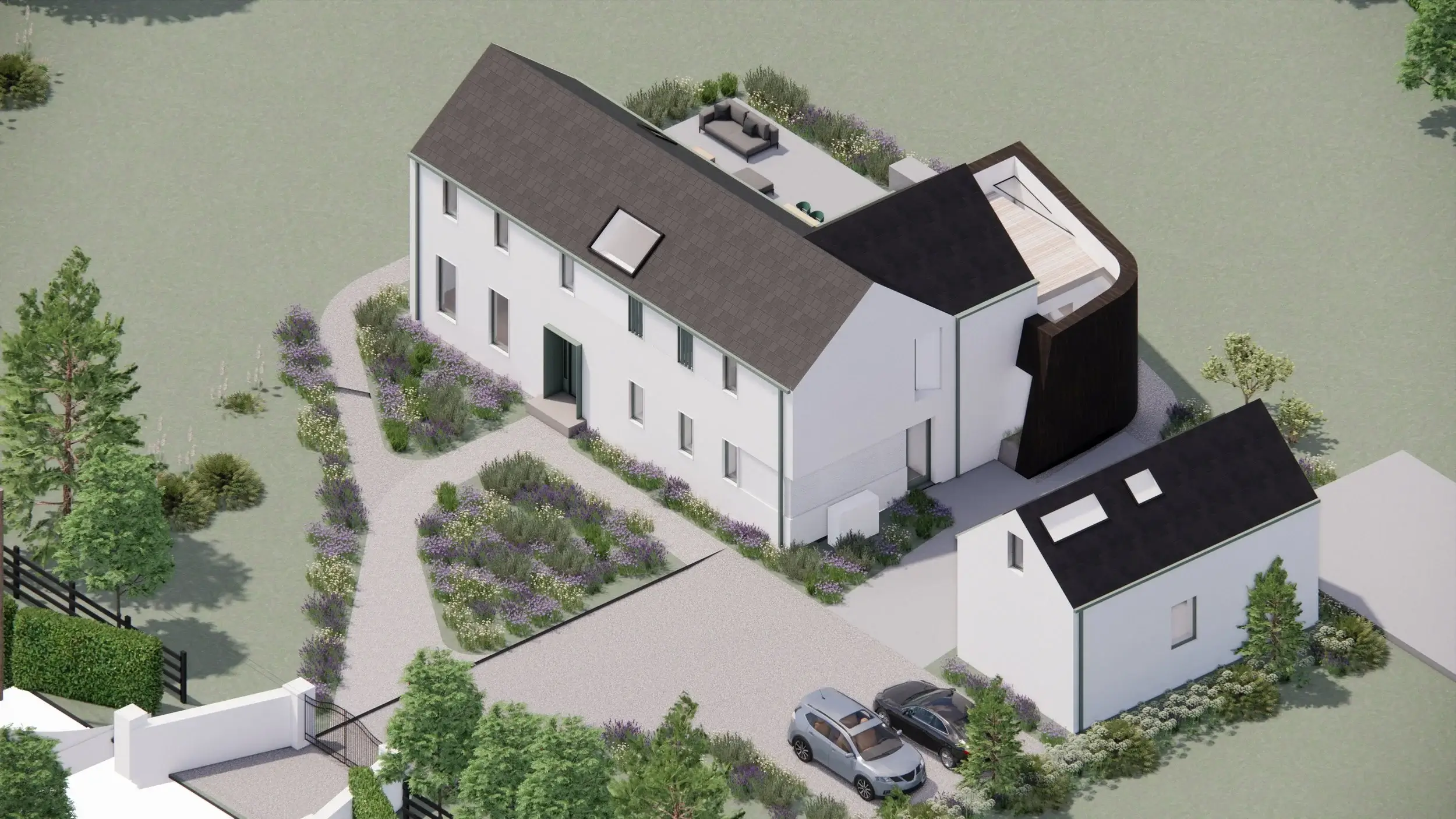
Planning & Site Context
Planning a New Build Project in Dublin and Ireland
New houses in Dublin are subject to planning policies established by one of the 4 relevant local authorities: South Dublin County Council, Dublin City Council, Fingal County Council or Dún Laoghaire–Rathdown County Council depending on the location of the site. Development plans set out requirements relating to height, site coverage, garden provision and visual impact. For new-build houses within established neighbourhoods, proposals must demonstrate compatibility with the surrounding scale and character.
Pre-planning engagement with the planning authority is often beneficial, particularly on constrained sites or those located within Architectural Conservation Areas. Early dialogue can clarify expectations regarding massing, building line and design approach before detailed drawings are prepared.
Infill Sites
A significant number of new houses in Dublin are built on infill plots within established residential areas. These sites are often narrow and bordered by existing homes, requiring careful consideration of daylight access, privacy and overlooking. The architectural response must respect the established rhythm of the street while introducing contemporary spatial qualities internally.
Replacement Dwellings
Some new-build projects involve replacing an existing house that no longer meets modern living or environmental standards. In these cases, the opportunity exists to redesign the dwelling to better respond to orientation, views and landscape features. Projects such as Dawn View demonstrate how replacement dwellings can improve both environmental performance and architectural coherence.
Coastal Sites
Sites along the Dublin Bay coastline introduce additional considerations relating to wind exposure, views and landscape sensitivity. Planning authorities often assess visual impact carefully in these locations. Architecture must therefore be carefully scaled and articulated so that the building sits comfortably within the coastal landscape.
Rural Houses
Across counties such as Wicklow and Meath, rural housing proposals must respond to both planning policy and landscape context. Issues such as access, site drainage and visual integration are often central to planning decisions. Houses must be designed to sit naturally within their surroundings rather than appearing imposed upon the countryside.
Environmental & Sustainability Performance
New build houses increasingly prioritise energy efficiency and long-term sustainability. Passive solar design, high-performance building envelopes and durable materials all contribute to buildings that perform well over time. By addressing these considerations early in the design process, new houses can achieve high environmental standards while maintaining strong architectural character.
Our Approach to New Build Architecture
Our approach to new-build architecture begins with a close reading of the site. Orientation, topography, neighbouring buildings and landscape features all inform the early design process. Rather than imposing a predetermined style, we develop forms and spatial arrangements that respond directly to these conditions.
As new build architects in Dublin, we guide clients through each stage of the process from initial feasibility studies and planning strategy to detailed design and construction oversight. Our role is to bring clarity to the complexities of planning policy, building regulations and site constraints while maintaining architectural ambition.
We place particular emphasis on natural light, spatial continuity and environmental performance. Durable materials and carefully considered detailing ensure that each house ages well within its setting. Whether designing a coastal dwelling overlooking Dublin Bay, an infill house within an established suburb or a rural home in Wicklow or Meath, our goal is to create buildings that feel grounded in their context.
If you are considering building a new home in Dublin or elsewhere in Ireland, Brennan Furlong Architects offer a measured and collaborative approach to delivering thoughtful new-build architecture.