
Brennan Furlong Architects — Period Home Projects
Filter by Project Area
Filter by Project Type
include awards schema aggregate totals
Selected Period Home Projects
Selected Period Home Projects
Many of Dublin’s most distinctive homes were built during the eighteenth, nineteenth and early twentieth centuries. Georgian terraces, Victorian villas and early suburban houses form a large part of the city’s architectural identity. Renovating these buildings requires an approach that respects their original fabric while allowing them to evolve into comfortable contemporary homes.
As specialist period home architects in Dublin, Brennan Furlong Architects have worked on a number of projects involving historic houses and protected structures across the city and surrounding areas. Projects such as North Circular Road involved the careful restoration and adaptation of an 1882 terrace building, returning it from multiple units to a single family home while preserving its architectural character. At Whitworth Road in Drumcondra, a period house that had previously operated as a bed and breakfast was reconfigured to create a private family sanctuary through a series of carefully considered spatial interventions.
Our experience also extends to historic houses along the Dublin coastline and in established suburban areas. Projects such as Strand Road in Sutton and Saint Peter’s Terrace in Howth demonstrate how contemporary architectural elements can be introduced behind historic façades or within historic cottage settings while maintaining the identity of the original building. Across each project, the aim is to preserve the qualities that make period homes distinctive while adapting them to modern patterns of living.
We have delivered a number of period homes in Dublin, and around Ireland. Select examples include:
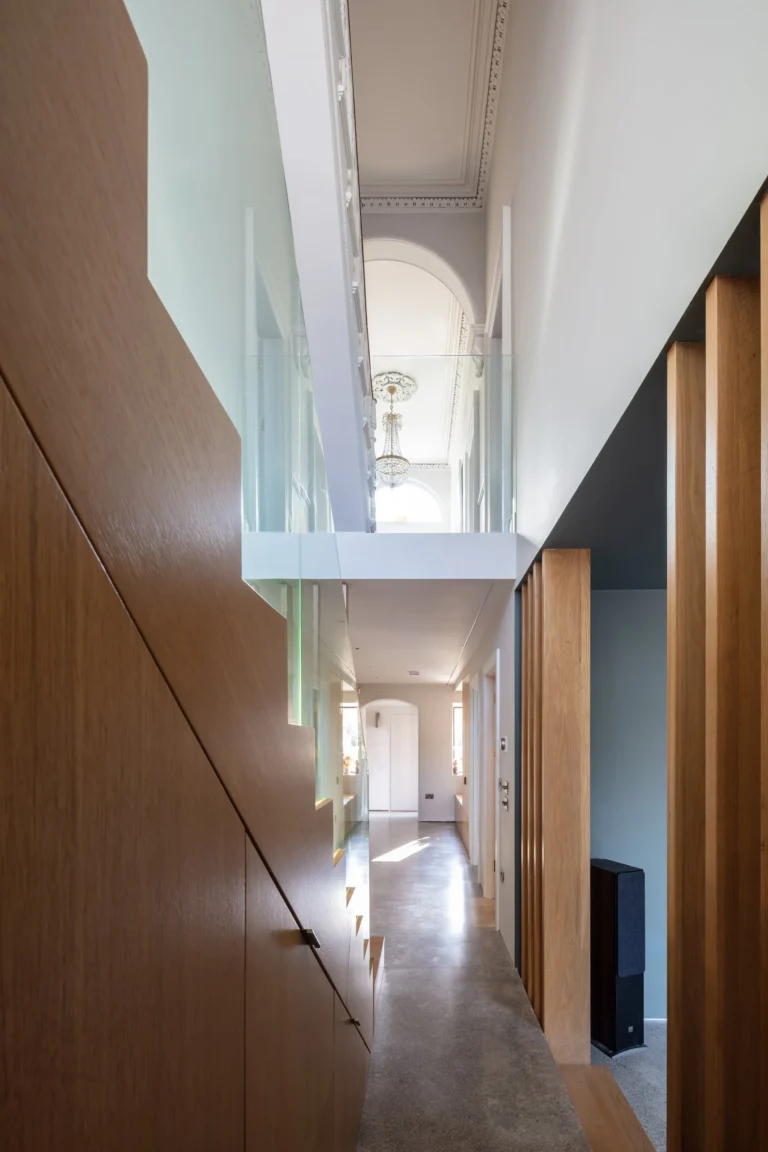
North Circular Road
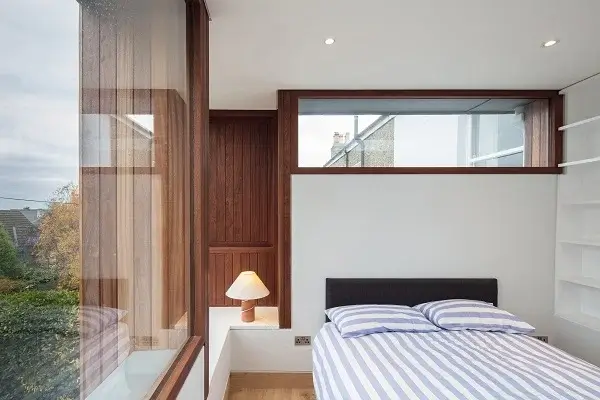
Monkstown
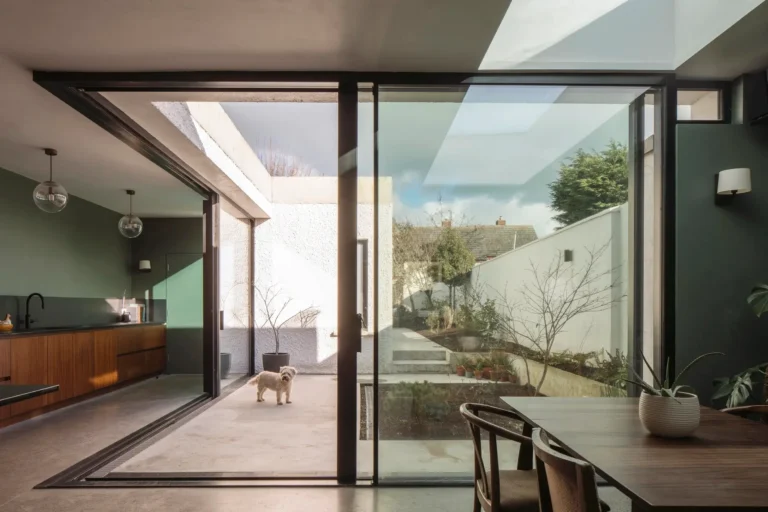
St. Peter’s Terrace
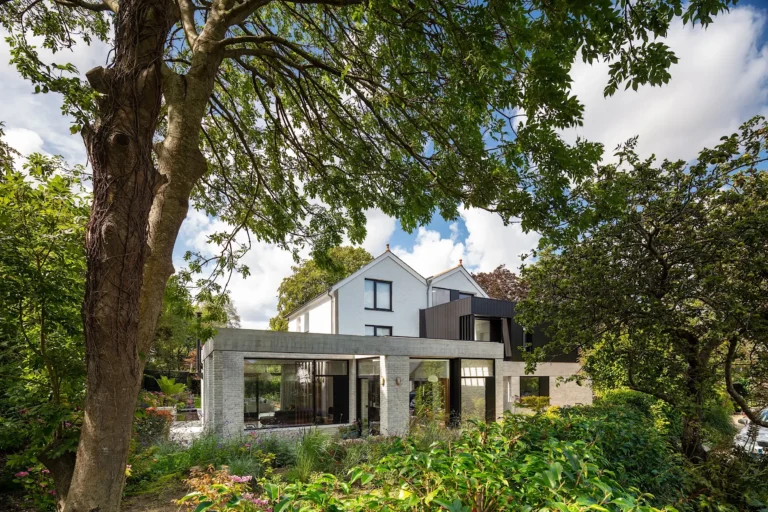
Lerrig Lodge
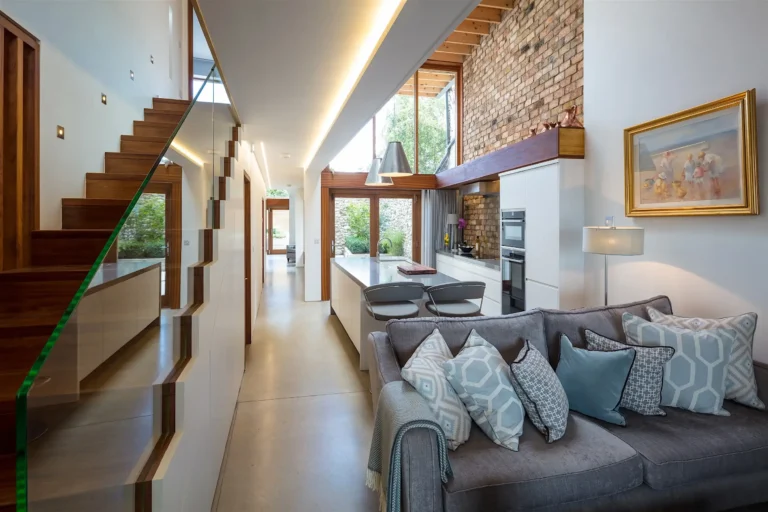
Strand Road
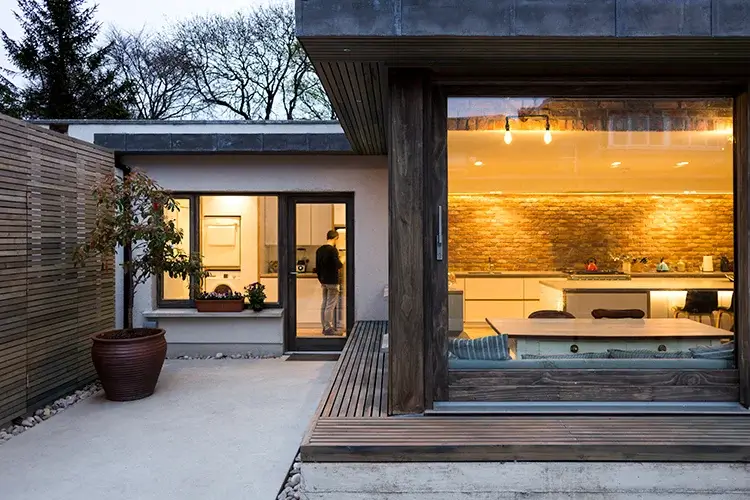
Whitworth Road



























Area Background / History
Dublin Period Home Architecture
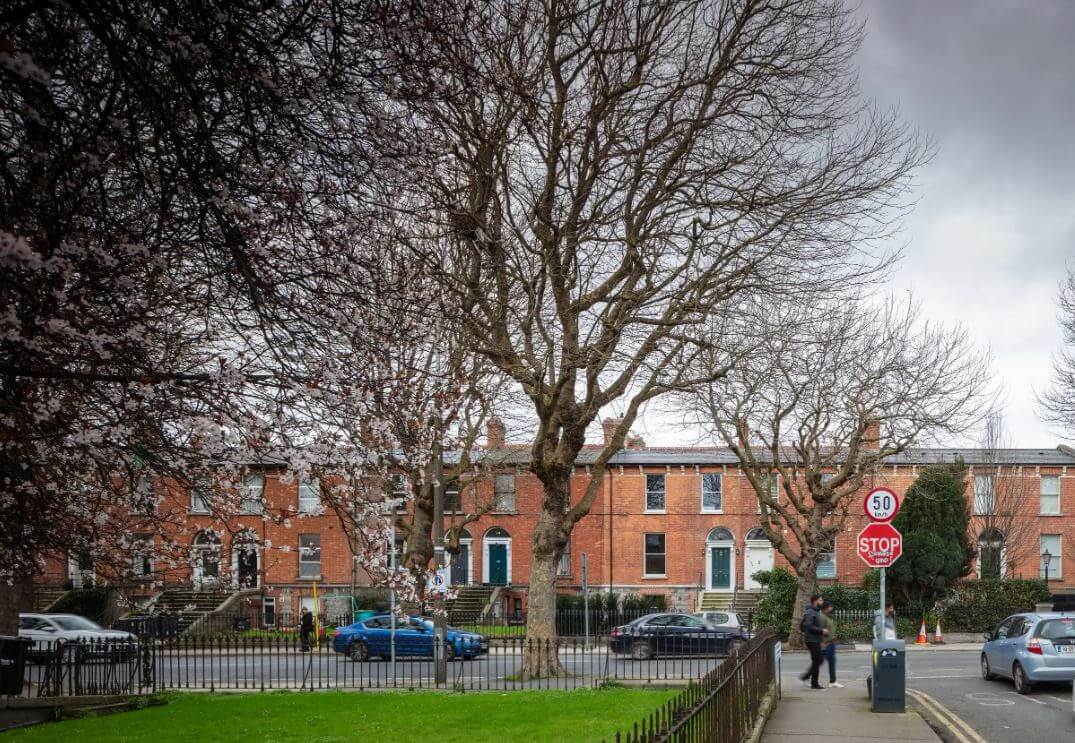
Dublin is widely recognised for the quality and consistency of its historic residential architecture. Georgian terraces built during the eighteenth and early nineteenth centuries established a disciplined urban form characterised by narrow plots, brick façades and carefully proportioned windows. These houses were typically organised vertically, with reception rooms on upper floors and service spaces at basement or garden level.
Later Victorian and Edwardian development expanded beyond the original city centre, producing redbrick terraces and larger suburban houses in areas such as Drumcondra, Clontarf and Sandymount. These houses often feature generous ceiling heights, bay windows and deep rear gardens that offer opportunities for carefully designed extensions.
The enduring appeal of period homes lies in their spatial qualities and robust construction. Masonry walls, timber floor structures and carefully proportioned rooms provide a strong architectural framework that can be adapted over time. However, many historic houses have experienced unsympathetic alterations, subdivision or poorly considered extensions.
Architectural work on these buildings therefore involves both restoration and reinterpretation. Later additions may be removed to reveal the clarity of the original plan, while contemporary interventions introduce new light-filled spaces that connect the house to the garden. The challenge lies in maintaining the legibility of the historic structure while allowing the building to support contemporary family life.
Beyond Dublin, period houses are also found in historic towns and villages throughout counties such as Wicklow and Meath. While the architectural language may differ slightly from the Georgian and Victorian terraces of Dublin, the same principles apply: careful repair of existing fabric combined with thoughtful contemporary intervention.
Planning & Site Context
Renovating Period Homes in Dublin and Ireland
Work on historic houses in Dublin is governed by planning policies set out by local authorities including Dublin City Council, Fingal County Council and Dún Laoghaire–Rathdown County Council. Many period houses are located within Architectural Conservation Areas or are listed as Protected Structures, meaning that alterations to the building fabric may require planning permission.
Even where a building is not formally protected, planning authorities often consider the broader character of historic streets and neighbourhoods. Proposals must therefore demonstrate sensitivity to scale, materials and architectural detail. Early consultation through the pre-planning process can help establish an appropriate design approach before detailed proposals are prepared.
Protected Structures
Protected structures represent buildings of architectural, historical or cultural importance. Alterations to these buildings require careful justification and must respect the significance of the existing fabric. Architectural proposals typically focus on repair, conservation and reversible interventions that preserve the integrity of the original structure.
Architectural Conservation Areas
Many historic neighbourhoods in Dublin fall within Architectural Conservation Areas (ACAs). Within these areas, the collective character of streets and buildings is protected. Changes to façades, roof profiles or boundary treatments are carefully assessed to ensure that the overall streetscape is preserved.
Extensions to Period Homes
Adding new spaces to a historic house requires careful architectural judgement. Extensions are typically located to the rear where they can introduce contemporary living spaces without disrupting the historic street frontage. Materials and proportions are selected so that the new intervention complements the existing building while remaining clearly legible as a contemporary addition.
Upgrading Older Buildings
Period houses often require improvements to thermal comfort and building services. Sensitive retrofit measures can enhance energy performance without damaging historic fabric. Upgrading insulation, glazing and ventilation must be approached carefully so that the character and breathability of traditional construction methods are preserved.
Urban Context
Many period houses in Dublin occupy narrow plots within tightly defined urban streets. Architectural proposals must therefore address issues such as overlooking, daylight access and relationships with neighbouring buildings. Careful spatial planning allows contemporary living spaces to be introduced while respecting the established urban grain.
Our Approach to Period Homes
Our approach to working with historic houses begins with careful observation. Understanding how the building was originally constructed and how it has evolved over time allows us to identify which elements should be preserved and where new architectural interventions can be introduced.
As period home architects in Dublin, we work closely with clients to develop designs that respect the history of the building while allowing it to support modern life. Spatial reorganisation, carefully positioned extensions and sensitive restoration of original details all play a role in this process.
We guide projects through planning, conservation considerations and construction, ensuring that each intervention enhances rather than diminishes the qualities that make period houses special. Whether working on a Georgian terrace in Dublin, a Victorian suburban house or a historic cottage along the coast, our aim is to create architecture that acknowledges the past while allowing the building to continue evolving into the future.