Commercial

Brennan|Furlong Architects Dublin — Commercial Projects

include awards schema aggregate totals

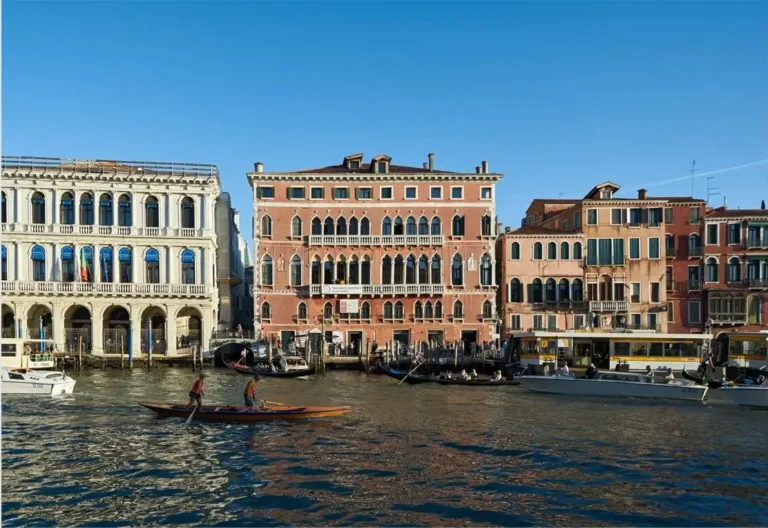
Commercial architecture in Dublin operates within a dense and historically layered urban environment. Offices, hospitality venues, community facilities and institutional buildings are often located within existing city fabric rather than on cleared development sites. As a result, commercial projects frequently involve adaptation, extension or strategic redevelopment of existing structures. Streetscapes are typically defined by Georgian plots, Victorian brick buildings and later twentieth-century commercial infill, requiring contemporary interventions to respond carefully to scale, grain and material context.

As commercial architects in Dublin, Brennan Furlong Architects work across feasibility studies, redevelopment proposals, hospitality projects and specialist facilities. Our work includes development studies such as the proposed extension to the Iveagh Garden Hotel on Harcourt Street, feasibility proposals for additional floors and mixed-use accommodation at Kings Inn Street, and infrastructure projects such as facility improvements for the Royal Dublin Golf Club. Each project requires careful coordination of planning strategy, building regulations and operational requirements. Whether developing a hospitality extension, exploring new workspace, or upgrading facilities for organisations, our role is to bring clarity to complex briefs and ensure that design, function and regulatory frameworks align.

We have delivered a number of commercial projects in Dublin, and beyond. Select examples include:

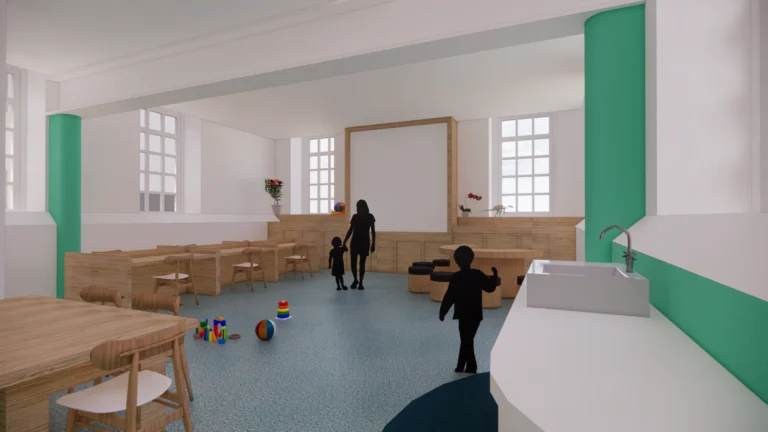
School Adaption

Amalgamation of two existing classrooms in a 100-year-old school

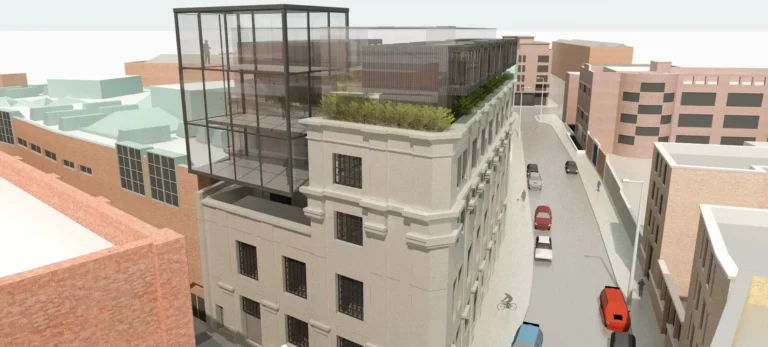
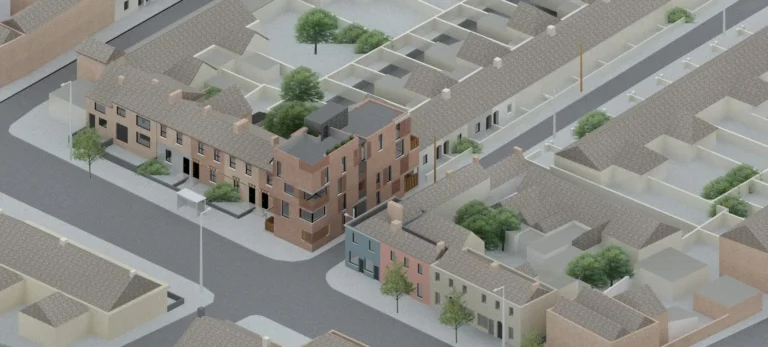
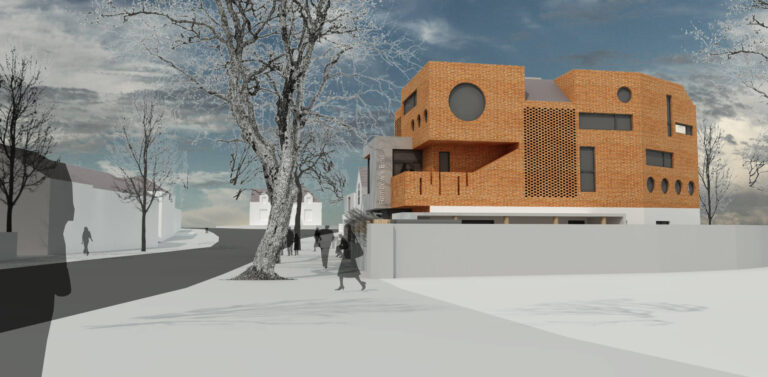
Kings Inn Street

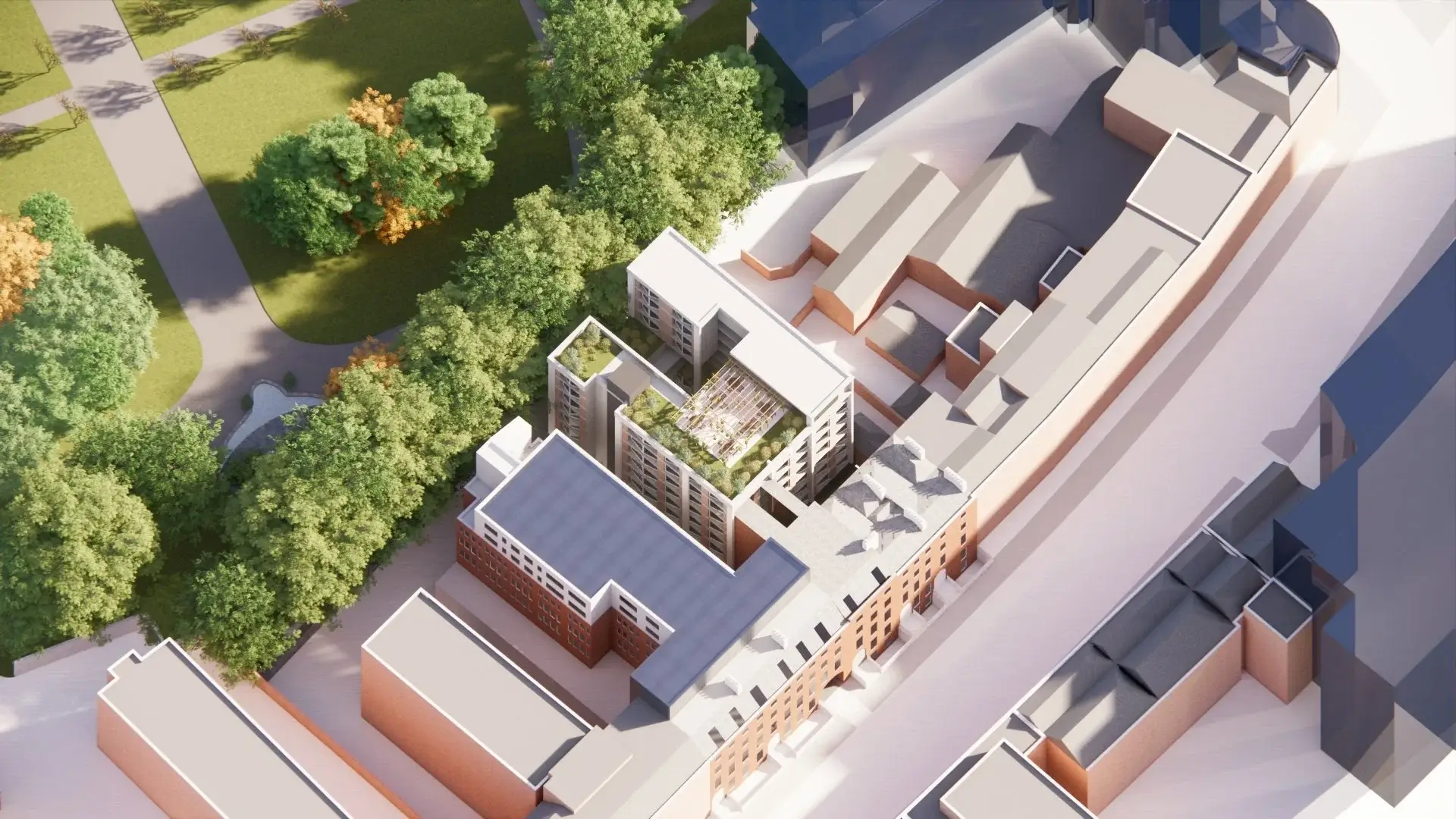
Urban intensification feasibility study, Dublin 1

Urban Renewal

Ballybough, Dublin 1

Time Space Existence

“Howth: the Memory of a Site” exhibited at TSE 2025, Venice

Common Ground – Marino

All Ireland Architecture Research Group paper

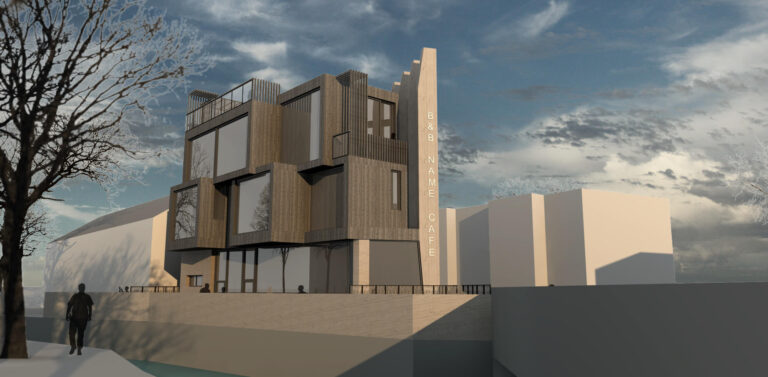
Bow Lane West Kilmainham

Tourist accommodation in Kilmainham

Raheny village creche

A feasibility study for a creche in a village-centre site in Raheny

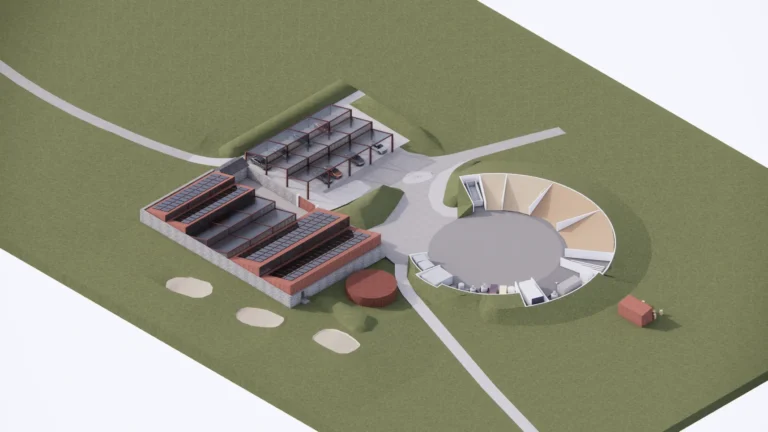
Royal Dublin Golf Club

Upgrades to course maintenance facilities, Bull Island, Dublin 3

Oscar Traynor

Coaching & development centre

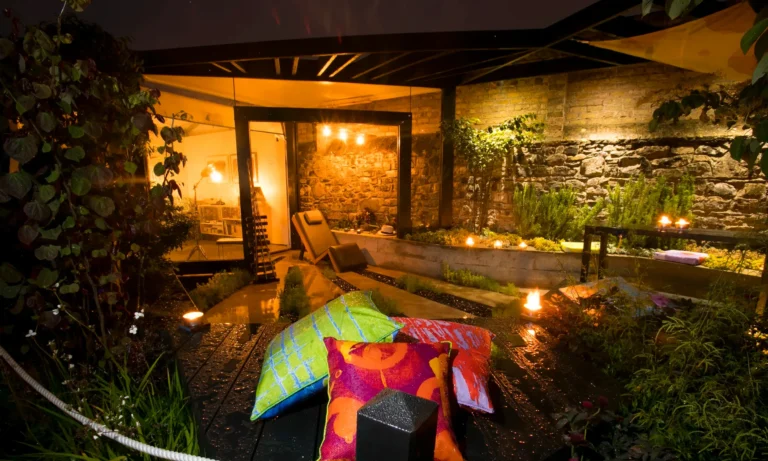
Bloom 2017

Silver medal winning installation at Bloom 2017

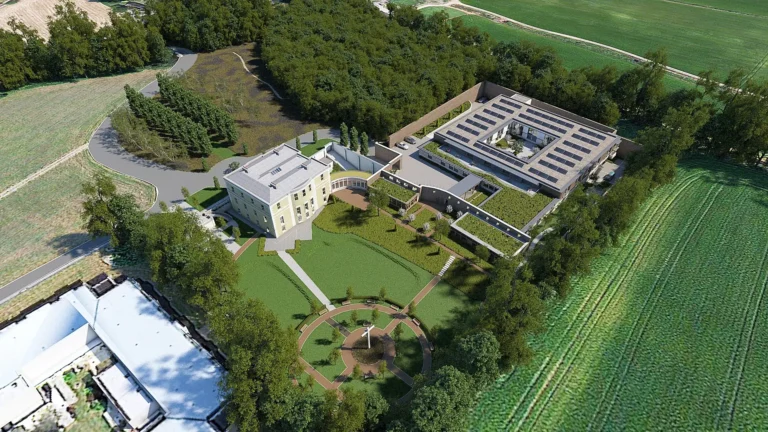
St. Doolaghs

Nursing home in Protected Structure, Co. Dublin

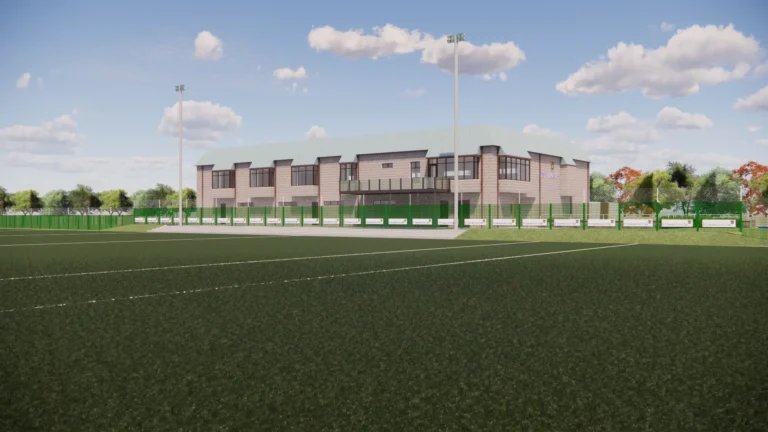
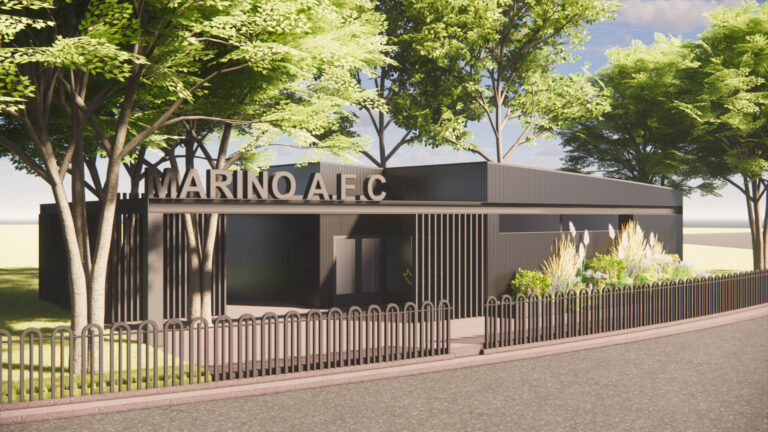
Marino AFC

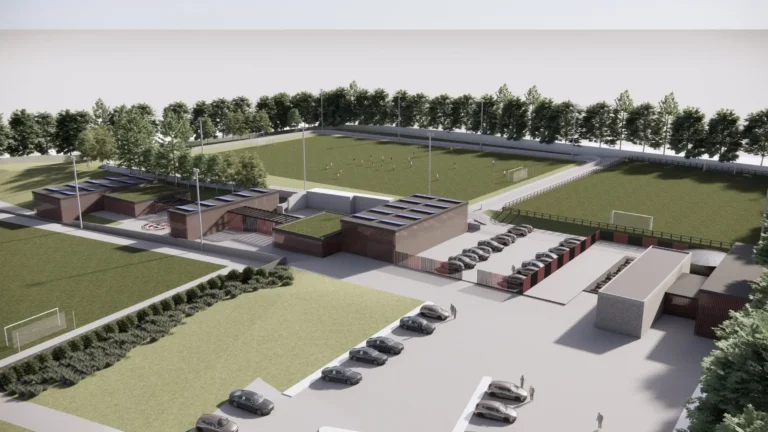
Developing proposals for new Marino AFC clubhouse

St Vincent’s GAA Club

Sports & Leisure Facilities Development, Malahide Road, Dublin 3

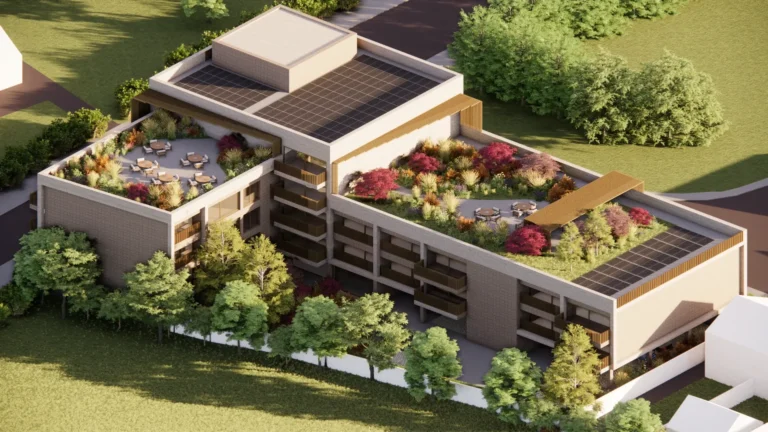
Esmondale

Sustainable mixed-use development in Naas, Co. Kildare.

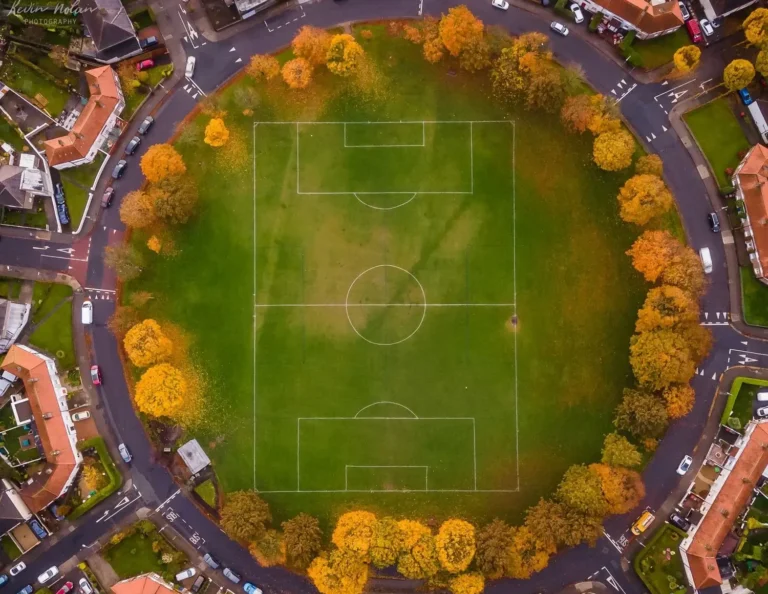
Fairview Park

Proposed Development of Fairview Park

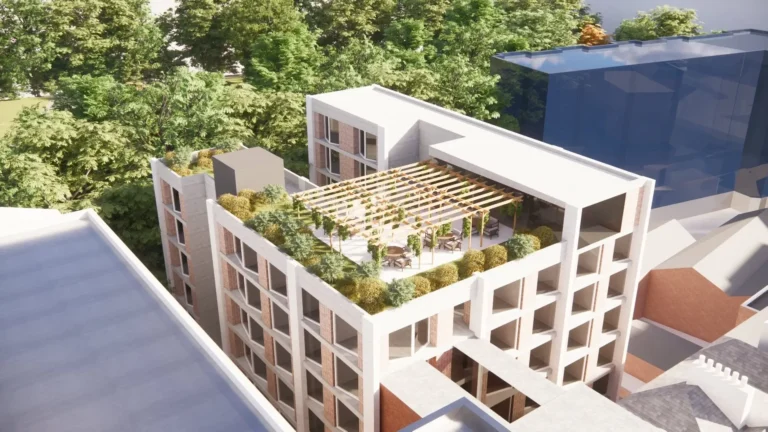
Iveagh Garden Hotel

Hotel extension feasibility study, Harcourt Street, Dublin 2

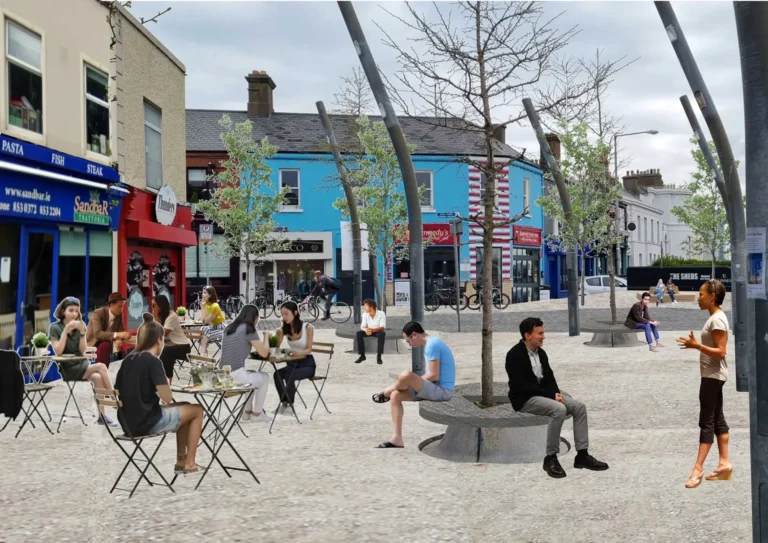
Vernon Avenue – What If

Exploration of place-making & public realm improvements.

Area Background / History

Commercial Architecture in Dublin

Dublin’s commercial building stock reflects multiple phases of development. Georgian and Victorian terraces frequently accommodate retail, offices or hospitality uses at ground and upper levels, while larger twentieth-century structures often contain institutional or mixed-use programmes. In many areas of the city, commercial premises occupy narrow plots originally intended for residential use, creating long, linear floorplates that require thoughtful circulation and daylight strategies.

The grain of these historic plots remains influential. Buildings often address the street with vertically proportioned façades, while deeper internal spaces accommodate circulation cores, service areas and secondary uses. Contemporary commercial architecture in Dublin must therefore work within inherited structural and spatial constraints while meeting modern operational expectations.

Recent development across the city has seen the adaptive reuse of existing buildings become increasingly important. Converting or extending structures can reduce environmental impact while preserving the character of established streets. Projects such as hospitality extensions or mixed-use feasibility studies often involve analysing structural capacity, heritage value and the potential for vertical or rear expansion.

For architects working in this sector, the challenge lies in balancing commercial performance with urban responsibility. Successful commercial architecture must respond not only to the needs of the client or operator, but also to the public realm and the surrounding built environment. In Dublin, where many commercial sites sit alongside protected structures or within conservation areas, architectural discipline and planning awareness are essential.
Planning & Site Context

Designing Commercial Projects in Dublin

Commercial development within Dublin is governed by Dublin City Council and the policies set out in the Dublin City Development Plan. Planning considerations typically include building height, impact on neighbouring properties, heritage context and public realm quality. Many central areas also fall within Architectural Conservation Areas, requiring careful evaluation of façade alterations, roof extensions and material choices. Pre-planning consultation is often a valuable step in commercial projects. Early engagement with the planning authority can clarify acceptable building height, scale of extension and potential impacts on surrounding structures. For feasibility studies and redevelopment proposals, this stage helps align architectural strategy with policy expectations before detailed design begins.

Commercial sites in central Dublin often occupy constrained plots within historic street grids. Access, servicing and fire strategy must be integrated carefully from the outset. Circulation cores, vertical transport and escape routes frequently dictate spatial organisation within existing structures.

Many commercial opportunities involve the reuse of existing buildings. Projects such as hospitality extensions or mixed-use redevelopment require a detailed understanding of the structural frame and the building’s heritage significance. Retaining existing structures can support sustainability goals while preserving the character of established streets.

Where commercial projects involve protected structures or sit within conservation areas, architectural proposals must demonstrate clear respect for the existing fabric. Contemporary interventions should be legible while remaining sympathetic to the surrounding context. Material selection, façade rhythm and massing are carefully evaluated through the planning process.
Commercial buildings increasingly require strong environmental performance alongside operational flexibility. Energy-efficient envelopes, passive ventilation strategies and durable materials contribute to long-term building performance. Retrofit of existing buildings is also becoming a key part of sustainable commercial development within Dublin.

Our approach to commercial architecture is rooted in clarity and context. Each project begins with a careful understanding of the site, the existing building where relevant, and the operational requirements of the client. Commercial architecture must support real-world use while contributing positively to the surrounding urban environment.

As commercial architects in Dublin, we work with clients from early feasibility studies through planning, detailed design and construction. Our experience across hospitality, sports facilities, feasibility studies and redevelopment proposals allows us to guide projects through complex planning and regulatory processes.

We prioritise adaptable spatial planning, durable material strategies and environmental performance from the outset. This ensures that commercial buildings remain resilient over time while supporting the activities they house.

Whether exploring the redevelopment potential of an existing building, planning a hospitality extension or developing new commercial facilities, Brennan|Furlong Architects provide a measured and collaborative approach to delivering thoughtful commercial architecture in Dublin.