
Brennan Furlong Architects — Regional & Beyond
Filter by Project Area
Filter by Project Type
include awards schema aggregate totals
Selected Projects
Selected Projects
While much of Brennan Furlong Architects’ work is based in Dublin, the practice also undertakes projects beyond the city, including work in rural, coastal, town and wider development settings. In many cases, clients come to the practice because they are already familiar with its work — through completed projects, award recognition, publication or word of mouth — and want to bring that same level of architectural ambition and clarity to a project of their own, wherever it may be located.
The projects gathered here vary in type, scale and setting. Some are residential proposals shaped by landscape, topography and long views; others involve conservation, feasibility, commercial development or sites that do not sit neatly within a single category. Taken together, they reflect the range of the practice and its ability to apply the same careful design thinking across different briefs, locations and levels of complexity.
We have developed diverse projects, across Ireland, in a range of settings. Select examples include:
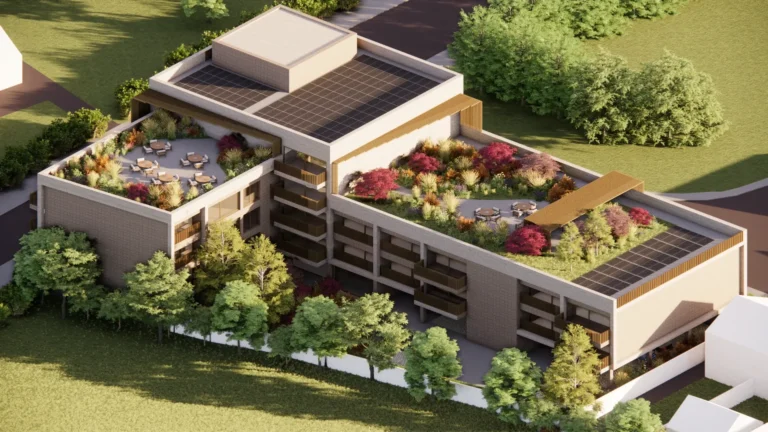
Esmondale
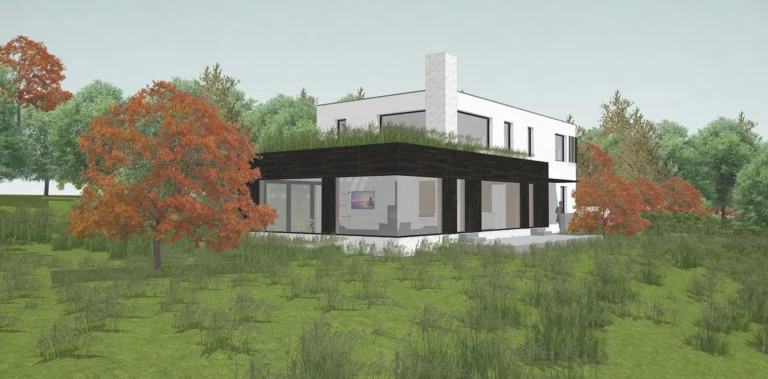
House in the Wicklow Hills
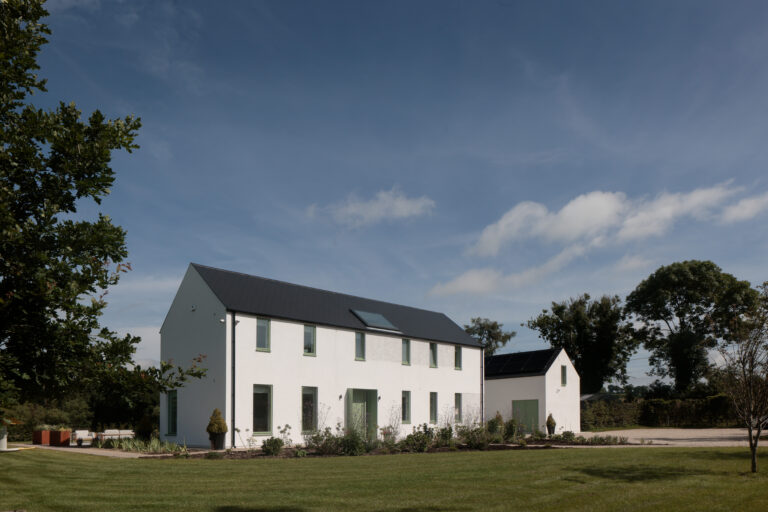
Grangecon
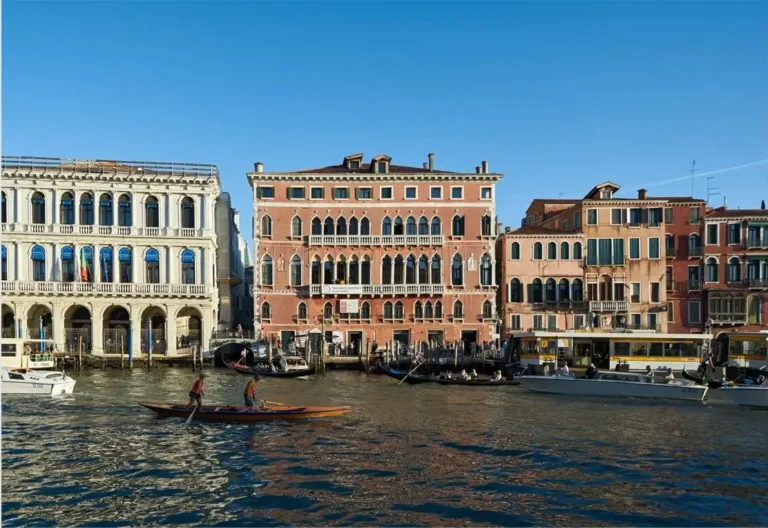
Time Space Existence
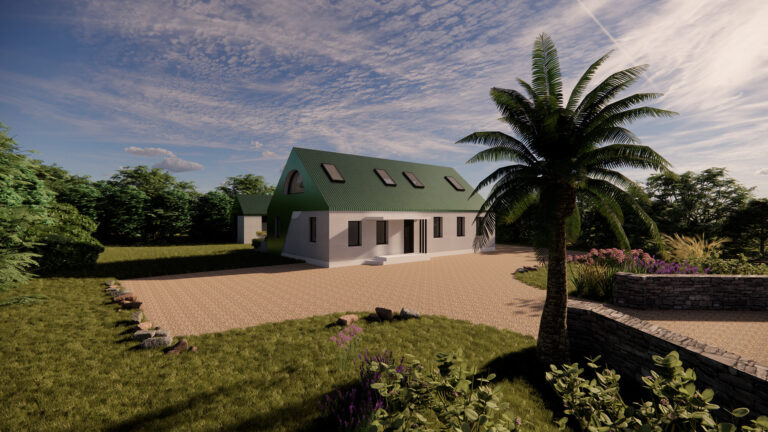
Slade
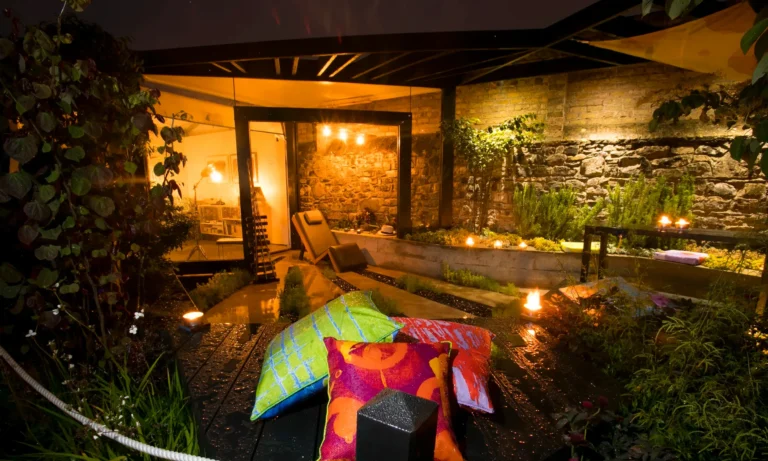
Bloom 2017
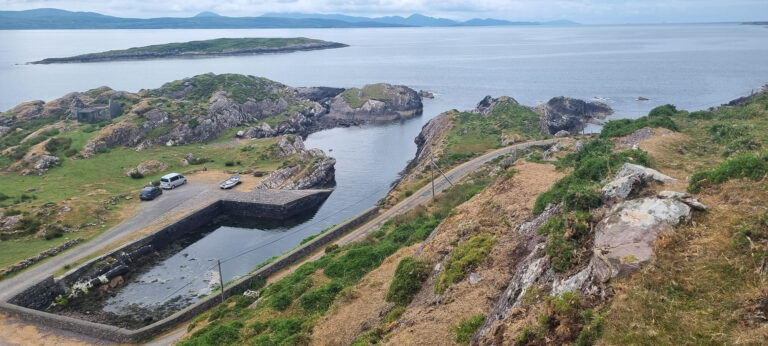
Gleesk








imaginative architectural response
Architecture Across Contexts
Architecture across Ireland is shaped by a wide range of regional conditions. A rural site asks different questions to a coastal plot, a village infill site, a town-centre building or a larger strategic development. Landscape, settlement pattern, heritage context, planning policy, access and infrastructure all influence the architectural response, and each project requires its own careful reading of place.
These differences are part of what makes such work compelling. They demand sensitivity to context, but they can also benefit from a fresh perspective and a willingness to respond to the brief on its own terms. For some clients, the choice of architect is shaped not simply by geography, but by the quality of the work, the strength of the design approach and the confidence that an experienced practice can bring creativity, judgement and clarity to a project wherever it is located.
The work gathered on this page reflects that range. It includes projects in different parts of Ireland, as well as proposals that are broader in scale, more exploratory in nature or less easily grouped within a single project type. In that sense, the page helps show the flexibility of the practice: from one-off buildings and carefully judged interventions to larger residential, commercial or development-led proposals.
Site, Setting and Scale
Designing in Different Regions
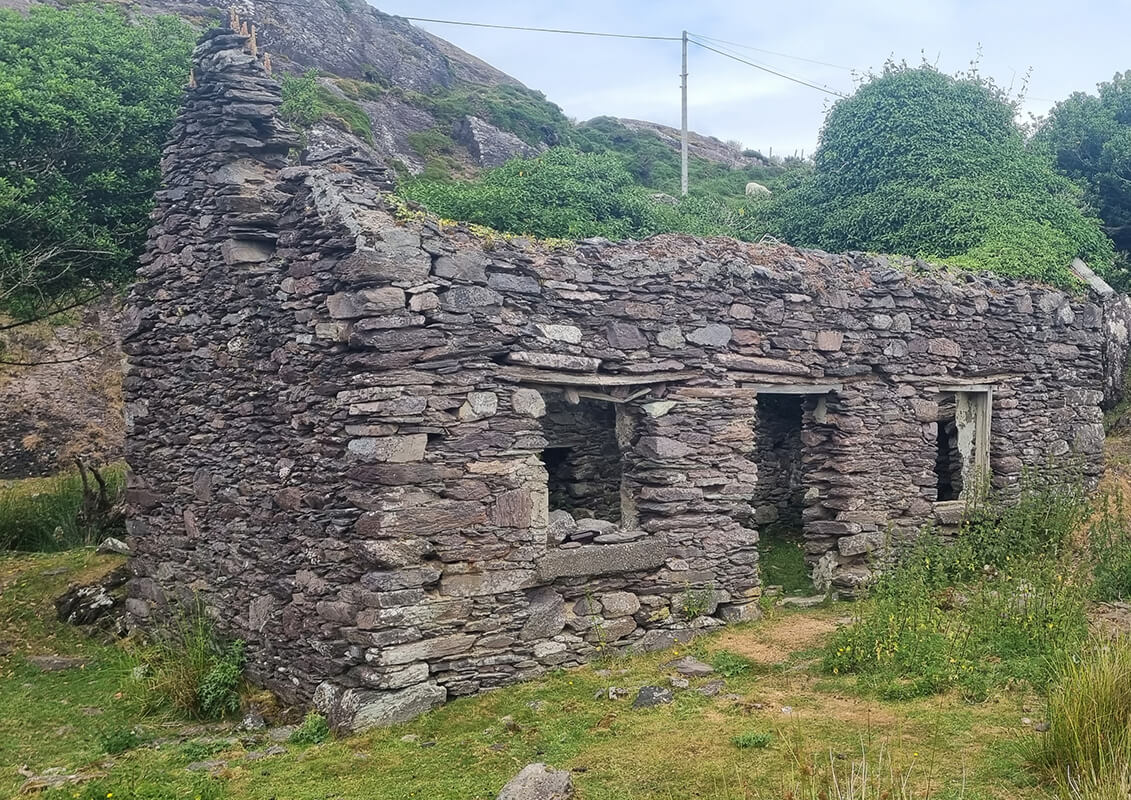
Rural and Landscape Settings
Coastal, Village and Small-Town Contexts
Larger Sites and Broader Development Contexts
Some projects involve sites that are larger in scale or more strategic in character, including town-edge locations, development lands or proposals with residential, commercial or mixed-use potential. These projects require careful thinking about movement, access, built form, landscape structure and long-term adaptability. They also demonstrate the ability of the practice to work confidently across different scales, from individual buildings to more ambitious proposals shaped by broader planning, urban and commercial considerations.
Existing Buildings and Heritage Context
Some of the work gathered here also involves existing or historic buildings, including structures that contribute to the local character of a town, village or rural area. In these cases, the design process must respond both to the practical needs of the project and to the architectural value of the existing fabric. This includes projects where conservation, adaptation or sensitive extension form an important part of the architectural response.
Efficiency & Performance
Energy efficient performance is a central consideration across all of these projects. Whether working on a house in the landscape, a coastal building, an adapted historic structure or a larger development proposal, the same principles apply: orient buildings carefully, make effective use of daylight, reduce heat loss, support natural ventilation and use durable materials suited to the conditions of the site. Addressing these issues early helps establish a stronger and more resilient design from the outset.
Our Approach
Our approach to projects is the same no matter the site location: understand the site properly, define the brief clearly and develop an architectural response that is thoughtful, specific and well resolved. We are comfortable working around Ireland, and are particularly interested in projects where a fresh perspective, strong design judgement and careful attention to context can make a meaningful difference.
Some clients come to the practice having seen an award-winning or published project and wanting to bring that same quality of architectural thinking to a site of their own. Others are looking for an architect who can bring energy and imagination to a project that is larger in scale, less typical in brief or outside the more familiar categories of domestic work. In each case, the aim is the same: to approach the project with seriousness, creativity and a commitment to design quality, regardless of location.
If you are considering a project anywhere in Ireland, or one that falls outside a more conventional brief, we would welcome the opportunity to discuss it.